The 22 Best Dark Gothic Horror Books
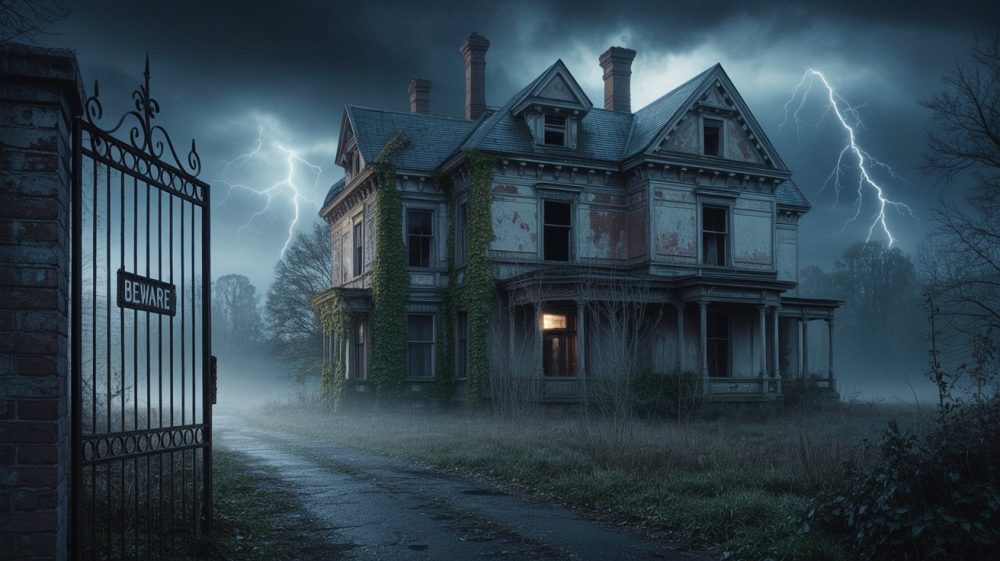
Gothic horror transforms ordinary settings into places of dread, where crumbling mansions hold dark secrets, fog-shrouded moors whisper ancient curses, and decay seeps into everything it touches. From the windswept castles of classic Victorian tales to the rotting plantations of the American South and the urban ruins of modern cities, gothic horror creates atmosphere so thick you can taste the despair. These 22 books represent the finest examples of how architecture, landscape, and atmosphere can become characters in their own right, creating stories where the setting itself threatens to consume both characters and readers.
Understanding Gothic Horror Subgenres
Gothic horror has evolved into three distinct but related traditions, each using setting and atmosphere differently:
Classic Gothic (Victorian/European Tradition)
Time Period: 18th-19th centuries, continuing today Key Elements:
- Crumbling castles, ancient mansions, abbey ruins
- Fog, storms, and perpetual gloom
- Family curses and ancestral sins
- Supernatural threats tied to history
- Isolated protagonists facing ancient evils
Atmospheric Focus: Architecture as prison, weather as mood, history as burden Modern Examples: Still written today by authors like Sarah Waters and Silvia Moreno-Garcia
Southern Gothic (American Tradition)
Time Period: 20th century to present Key Elements:
- Decaying plantations and small Southern towns
- Heat, humidity, and oppressive landscapes
- Racial tensions and historical guilt
- Family secrets and generational trauma
- Religion twisted into something dark
Atmospheric Focus: Climate as oppression, social decay as horror, guilt as ghost Modern Examples: Authors like Gillian Flynn and Cassandra Clare continue the tradition
Urban Gothic (Contemporary Tradition)
Time Period: Late 20th century to present Key Elements:
- Abandoned buildings, subway tunnels, industrial ruins
- Neon-lit nightmares and corporate towers
- Social isolation in crowded cities
- Technology as corrupting force
- Economic decay and urban blight
Atmospheric Focus: Modern alienation, architectural hostility, technological dread Modern Examples: Authors like China Miéville and Caitlin R. Kiernan

Step into the dark and read your FREE dark thriller

Over 100,000 downloads!
Rating System Explained
Architectural/Setting Gloom (1-10)
Measures how effectively the physical environment creates horror:
- 1-3: Setting is backdrop only
- 4-6: Environment supports mood
- 7-8: Setting actively participates in horror
- 9-10: Architecture/landscape becomes primary antagonist
Atmospheric Darkness (1-10)
Evaluates mood, weather, and sensory details:
- 1-3: Light atmospheric touches
- 4-6: Consistent dark mood
- 7-8: Oppressive atmosphere throughout
- 9-10: Suffocating atmospheric density
Thematic Darkness (1-10)
Measures psychological and social darkness:
- 1-3: Surface-level darkness
- 4-6: Moderate psychological themes
- 7-8: Deep exploration of human darkness
- 9-10: Profound examination of evil and decay
The 22 Best Dark Gothic Horror Books
Organized by gothic tradition and atmospheric intensity
Classic Gothic: Victorian Nightmares and Ancient Curses
1. Dracula by Bram Stoker (1897)
- Gothic Type: Classic European
- Architectural Gloom: 10/10 (Castle Dracula is character itself)
- Atmospheric Darkness: 9/10 (Fog, storms, perpetual night)
- Thematic Darkness: 8/10 (Invasion, corruption, sexual threat)
- Why it’s essential: Defines Gothic atmosphere and vampire mythology
- Best for: Readers wanting foundational Gothic experience
- Key setting: Transylvanian castle, fog-shrouded London
- Atmosphere: Ancient evil seeping into modern world
2. The Castle of Otranto by Horace Walpole (1764)
- Gothic Type: Original Gothic novel
- Architectural Gloom: 10/10 (Castle with supernatural architecture)
- Atmospheric Darkness: 8/10 (Medieval gloom and supernatural events)
- Thematic Darkness: 6/10 (Family curse and tyranny)
- Why it’s essential: First Gothic novel, established genre conventions
- Best for: Literary history enthusiasts and Gothic completists
- Key setting: Massive medieval castle with moving walls
- Atmosphere: Supernatural architecture threatening inhabitants
3. The Turn of the Screw by Henry James (1898)
- Gothic Type: Classic English
- Architectural Gloom: 9/10 (Isolated estate, Bly House)
- Atmospheric Darkness: 9/10 (Psychological oppression, unclear reality)
- Thematic Darkness: 9/10 (Child endangerment, madness, ambiguous evil)
- Why it’s essential: Perfects ambiguous Gothic horror
- Best for: Psychological horror fans who appreciate literary subtlety
- Key setting: Remote English estate with lake and grounds
- Atmosphere: Beautiful setting hiding terrible secrets
4. The Strange Case of Dr. Jekyll and Mr. Hyde by Robert Louis Stevenson (1886)
- Gothic Type: Urban Victorian
- Architectural Gloom: 8/10 (London’s dark streets and hidden laboratories)
- Atmospheric Darkness: 8/10 (Fog-bound London, gaslight horror)
- Thematic Darkness: 9/10 (Dual nature of man, repression)
- Why it’s essential: Urban Gothic masterpiece about human duality
- Best for: Readers interested in psychological transformation
- Key setting: Victorian London’s respectable facade hiding dark alleys
- Atmosphere: Gaslit streets where respectability masks evil
5. The Picture of Dorian Gray by Oscar Wilde (1890)
- Gothic Type: Aesthetic Gothic
- Architectural Gloom: 7/10 (Decadent London townhouses and opium dens)
- Atmospheric Darkness: 8/10 (Moral decay reflected in physical decay)
- Thematic Darkness: 10/10 (Corruption, vanity, moral dissolution)
- Why it’s essential: Gothic meets aesthetic philosophy
- Best for: Readers who appreciate beautiful writing about ugly themes
- Key setting: Elite London society hiding moral rot
- Atmosphere: Beautiful surfaces concealing spiritual corruption
6. The Haunting of Hill House by Shirley Jackson (1959)
- Gothic Type: Modern Classic Gothic
- Architectural Gloom: 10/10 (Hill House itself is the antagonist)
- Atmospheric Darkness: 10/10 (Oppressive architectural psychology)
- Thematic Darkness: 9/10 (Isolation, madness, belonging)
- Why it’s essential: Perfects architectural horror
- Best for: Anyone wanting to understand how buildings can be evil
- Key setting: Architecturally wrong house that hates visitors
- Atmosphere: Geometry and design creating psychological pressure
7. Mexican Gothic by Silvia Moreno-Garcia (2020)
- Gothic Type: Modern Classic Gothic with colonial elements
- Architectural Gloom: 9/10 (Decaying English mansion in Mexican mountains)
- Atmospheric Darkness: 9/10 (Mushroom-infested walls, poisonous atmosphere)
- Thematic Darkness: 8/10 (Colonialism, eugenics, family control)
- Why it’s essential: Updates classic Gothic for modern audiences
- Best for: Readers wanting diverse perspectives on Gothic tradition
- Key setting: Rotting Victorian mansion transplanted to Mexico
- Atmosphere: Literal toxic atmosphere from fungal infection
Southern Gothic: Heat, Guilt, and Generational Decay
8. To Kill a Mockingbird by Harper Lee (1960)
- Gothic Type: Southern Gothic (literary)
- Architectural Gloom: 6/10 (Radley house, courthouse)
- Atmospheric Darkness: 7/10 (Small town oppression, racial tension)
- Thematic Darkness: 8/10 (Racism, loss of innocence, social evil)
- Why it’s essential: Southern Gothic addressing racial injustice
- Best for: Readers wanting social commentary with Gothic elements
- Key setting: Depression-era Alabama town
- Atmosphere: Childhood innocence confronting adult evil
9. Beloved by Toni Morrison (1987)
- Gothic Type: African American Southern Gothic
- Architectural Gloom: 9/10 (Haunted house 124 Bluestone Road)
- Atmospheric Darkness: 10/10 (Slavery’s psychological aftermath)
- Thematic Darkness: 10/10 (Slavery, infanticide, historical trauma)
- Why it’s essential: Gothic horror of American slavery
- Best for: Literary readers ready for profound historical horror
- Key setting: Post-Civil War Ohio house haunted by slavery’s ghosts
- Atmosphere: Past trauma literally haunting present
10. Wise Blood by Flannery O’Connor (1952)
- Gothic Type: Southern Gothic
- Architectural Gloom: 7/10 (Decaying Southern cities and rural churches)
- Atmospheric Darkness: 8/10 (Religious obsession, spiritual emptiness)
- Thematic Darkness: 9/10 (False prophets, religious mania, redemption)
- Why it’s essential: Religious Southern Gothic masterpiece
- Best for: Readers interested in religious themes and dark humor
- Key setting: Post-war Southern cities losing their identity
- Atmosphere: Spiritual seeking in spiritually bankrupt landscape
11. A Streetcar Named Desire by Tennessee Williams (1947)
- Gothic Type: Southern Gothic drama
- Architectural Gloom: 8/10 (Cramped New Orleans apartment)
- Atmospheric Darkness: 9/10 (Heat, humidity, claustrophobic tension)
- Thematic Darkness: 9/10 (Mental illness, sexual violence, class conflict)
- Why it’s essential: Southern Gothic examining gender and class
- Best for: Drama lovers and students of American literature
- Key setting: Steamy New Orleans Quarter apartment
- Atmosphere: Physical and emotional pressure cooker
12. Sharp Objects by Gillian Flynn (2006)
- Gothic Type: Modern Southern Gothic
- Architectural Gloom: 8/10 (Victorian mansion hiding family secrets)
- Atmospheric Darkness: 9/10 (Small Missouri town with toxic secrets)
- Thematic Darkness: 10/10 (Self-harm, family abuse, journalistic investigation)
- Why it’s essential: Contemporary take on Southern Gothic themes
- Best for: Psychological thriller fans who can handle disturbing content
- Key setting: Small Missouri town with picture-perfect facade
- Atmosphere: Beautiful surfaces hiding generational abuse
13. The Secret History by Donna Tartt (1992)
- Gothic Type: Academic Southern Gothic (Vermont setting but Southern sensibility)
- Architectural Gloom: 7/10 (Elite Vermont college, old money estates)
- Atmospheric Darkness: 8/10 (Academic isolation, seasonal depression)
- Thematic Darkness: 9/10 (Moral corruption, class privilege, ancient evil)
- Why it’s essential: Academic Gothic with classical themes
- Best for: Literary thriller fans and students of Greek mythology
- Key setting: Elite New England college mimicking ancient Greek culture
- Atmosphere: Intellectual pursuit leading to moral corruption
Urban Gothic: Modern Cities as Gothic Cathedrals
14. The City & The City by China Miéville (2009)
- Gothic Type: Urban Gothic/Weird Fiction
- Architectural Gloom: 9/10 (Two cities occupying same space)
- Atmospheric Darkness: 9/10 (Reality-bending urban environment)
- Thematic Darkness: 8/10 (Political control, reality manipulation)
- Why it’s essential: Innovative urban Gothic using city as prison
- Best for: Readers who enjoy experimental fiction and political themes
- Key setting: Two overlapping cities that must be “unseen”
- Atmosphere: Urban environment where seeing wrong thing is dangerous
15. The Silence of the Lambs by Thomas Harris (1988)
- Gothic Type: Contemporary Gothic thriller
- Architectural Gloom: 8/10 (Underground prison, basement torture chambers)
- Atmospheric Darkness: 9/10 (Institutional coldness, predatory psychology)
- Thematic Darkness: 9/10 (Serial killing, cannibalism, psychological manipulation)
- Why it’s essential: Modern Gothic featuring institutional horror
- Best for: Crime thriller fans who appreciate psychological complexity
- Key setting: FBI facilities and serial killer lairs
- Atmosphere: Professional environments hiding monstrous evil
16. Interview with the Vampire by Anne Rice (1976)
- Gothic Type: Modern Urban Gothic
- Architectural Gloom: 9/10 (New Orleans mansions, European castles)
- Atmospheric Darkness: 9/10 (Eternal night, beautiful decay)
- Thematic Darkness: 8/10 (Immortal loneliness, predatory existence)
- Why it’s essential: Updated vampire Gothic for modern audiences
- Best for: Vampire fiction fans wanting literary quality
- Key setting: Historic New Orleans and European cities
- Atmosphere: Romantic decay and eternal melancholy
17. The Historian by Elizabeth Kostova (2005)
- Gothic Type: Academic Gothic/Historical Gothic
- Architectural Gloom: 9/10 (Libraries, monasteries, Wallachian castles)
- Atmospheric Darkness: 8/10 (Academic research revealing ancient evil)
- Thematic Darkness: 7/10 (Historical evil, academic obsession)
- Why it’s essential: Scholarly approach to Dracula legend
- Best for: History buffs and vampire fiction fans
- Key setting: European libraries and historical sites
- Atmosphere: Academic research uncovering supernatural history
18. The Little Stranger by Sarah Waters (2009)
- Gothic Type: Post-war English Gothic
- Architectural Gloom: 10/10 (Decaying country estate Hundreds Hall)
- Atmospheric Darkness: 9/10 (Post-war Britain, class anxiety)
- Thematic Darkness: 8/10 (Class conflict, psychological breakdown)
- Why it’s essential: Post-colonial Gothic examining class structure
- Best for: Literary fiction fans who enjoy ambiguous supernatural elements
- Key setting: Crumbling English estate after World War II
- Atmosphere: Social order collapse reflected in architectural decay
Dark Academic Gothic: Knowledge as Corruption
19. The Name of the Rose by Umberto Eco (1980)
- Gothic Type: Medieval Academic Gothic
- Architectural Gloom: 10/10 (Labyrinthine medieval monastery)
- Atmospheric Darkness: 8/10 (Medieval winter, religious oppression)
- Thematic Darkness: 8/10 (Religious fanaticism, forbidden knowledge)
- Why it’s essential: Intellectual Gothic mystery in medieval setting
- Best for: Readers who enjoy historical fiction with philosophical depth
- Key setting: 14th-century monastery with maze-like library
- Atmosphere: Medieval monastery where knowledge becomes dangerous
20. The Ninth Gate by Arturo Pérez-Reverte (1993)
- Gothic Type: Bibliophile Gothic
- Architectural Gloom: 8/10 (Rare bookshops, private libraries, European cities)
- Atmospheric Darkness: 8/10 (Occult investigation, supernatural pursuit)
- Thematic Darkness: 8/10 (Demonic pursuit, obsessive collecting)
- Why it’s essential: Book-focused Gothic for literature lovers
- Best for: Book collectors and occult fiction fans
- Key setting: European rare book dealers and private collections
- Atmosphere: Literary pursuit becoming supernatural obsession
Contemporary Gothic Masters
21. We Have Always Lived in the Castle by Shirley Jackson (1962)
- Gothic Type: Domestic Gothic
- Architectural Gloom: 9/10 (Isolated family estate, village rejection)
- Atmospheric Darkness: 10/10 (Family isolation, community hostility)
- Thematic Darkness: 9/10 (Family secrets, mass poisoning, social rejection)
- Why it’s essential: Perfect domestic Gothic atmosphere
- Best for: Readers who appreciate unreliable narrators and family secrets
- Key setting: Isolated family home surrounded by hostile village
- Atmosphere: Domestic space as fortress against outside world
22. The Silent Companions by Laura Purcell (2017)
- Gothic Type: Victorian Gothic revival
- Architectural Gloom: 9/10 (Isolated manor house with wooden figures)
- Atmospheric Darkness: 9/10 (Winter isolation, supernatural menace)
- Thematic Darkness: 8/10 (Family guilt, supernatural punishment)
- Why it’s essential: Modern Gothic that captures Victorian atmosphere
- Best for: Readers wanting traditional Gothic scares with modern writing
- Key setting: Remote Victorian manor with supernatural wooden companions
- Atmosphere: Traditional Gothic updated with contemporary psychological insight
Step into the dark and read your FREE dark thriller
Over 100,000 downloads!
Gothic Horror Comparison Chart
| Book | Classic Gothic | Southern Gothic | Urban Gothic | Architectural Gloom | Atmospheric Darkness | Thematic Darkness |
|---|---|---|---|---|---|---|
| Dracula | ✓✓✓ | – | – | 10/10 | 9/10 | 8/10 |
| Mexican Gothic | ✓✓✓ | ✓ | – | 9/10 | 9/10 | 8/10 |
| Haunting of Hill House | ✓✓✓ | – | – | 10/10 | 10/10 | 9/10 |
| Beloved | – | ✓✓✓ | – | 9/10 | 10/10 | 10/10 |
| Sharp Objects | ✓ | ✓✓✓ | – | 8/10 | 9/10 | 10/10 |
| The City & The City | – | – | ✓✓✓ | 9/10 | 9/10 | 8/10 |
| Interview with Vampire | ✓✓ | – | ✓✓ | 9/10 | 9/10 | 8/10 |
Legend:
- ✓ = Elements present
- ✓✓ = Strong elements
- ✓✓✓ = Primary tradition
Atmospheric Elements in Gothic Horror
Architecture as Character
How Buildings Become Antagonists:
- Maze-like layouts: Confusing corridors that trap inhabitants
- Decaying structures: Rot and ruin reflecting moral decay
- Impossible geometry: Rooms that shouldn’t exist, doors that lead nowhere
- Historical weight: Buildings carrying burden of past events
- Isolation factor: Remote locations cutting off escape routes
Examples:
- Hill House: Architecture designed wrong, creating psychological pressure
- Castle Dracula: Ancient fortress reflecting its owner’s immortal evil
- Hundreds Hall: Decay paralleling decline of British class system
Weather and Climate as Mood
Atmospheric Conditions:
- Fog and mist: Obscuring vision, creating uncertainty
- Storms: External chaos reflecting internal turmoil
- Oppressive heat: Southern Gothic’s signature claustrophobic climate
- Perpetual winter: Cold that seeps into bones and soul
- Unnatural phenomena: Weather that defies natural law
Landscape as Prison
Natural Settings That Trap:
- Moors and heaths: Vast empty spaces that offer no refuge
- Forests: Dark woods hiding ancient secrets
- Urban mazes: City streets that lead nowhere
- Swamps and bayous: Landscapes that swallow the unwary
- Mountains: Natural barriers cutting off civilization
Reading Recommendations by Gothic Preference
For Classic Gothic Atmosphere:
- Dracula (definitive Gothic experience)
- The Haunting of Hill House (architectural horror perfection)
- Mexican Gothic (modern update on classic themes)
- The Turn of the Screw (psychological ambiguity)
- The Little Stranger (post-war decline)
For Southern Gothic Flavor:
- Beloved (historical trauma as Gothic horror)
- Sharp Objects (contemporary family secrets)
- Wise Blood (religious obsession)
- A Streetcar Named Desire (class and gender conflict)
- The Secret History (academic corruption)
For Urban Gothic Innovation:
- The City & The City (experimental city-as-character)
- The Silence of the Lambs (institutional horror)
- Interview with the Vampire (urban immortality)
- The Ninth Gate (bibliophile Gothic)
- Jekyll and Hyde (Victorian urban psychology)
For Atmospheric Beginners:
- Mexican Gothic (accessible modern Gothic)
- The Picture of Dorian Gray (beautiful writing, clear themes)
- Interview with the Vampire (romantic Gothic)
- The Historian (scholarly vampire hunt)
- The Silent Companions (traditional scares, modern writing)
Frequently Asked Questions
Q: What makes Gothic horror different from regular horror? A: Gothic horror emphasizes atmosphere, setting, and psychological dread over jump scares. The environment itself becomes threatening, and horror emerges from decay, isolation, and the weight of history.
Q: Do I need to start with classic Gothic novels? A: No. Modern Gothic like Mexican Gothic or Sharp Objects can be more accessible entry points. Classic works provide historical context but aren’t required reading.
Q: Are Gothic novels always set in old buildings? A: No. Urban Gothic uses modern cities, and Southern Gothic often features outdoor settings. The key is atmosphere of decay and psychological oppression, not necessarily old architecture.
Q: Is Gothic horror always supernatural? A: No. Many Gothic works use psychological horror or realistic threats in atmospheric settings. The Gothic mood can exist without supernatural elements.
Q: What’s the difference between Gothic and Victorian literature? A: Gothic is a mood and style focusing on atmosphere and dread. Victorian refers to the historical period (1837-1901). Some Victorian literature is Gothic, but not all Gothic literature is Victorian.
Q: Can Gothic horror be funny? A: Yes. Authors like Flannery O’Connor use dark humor, and some modern Gothic includes satirical elements. The humor is usually dark and ironic rather than light-hearted.
Q: Are there Gothic horror books with happy endings? A: Some do end hopefully, but Gothic traditionally deals with themes of decay and corruption. Even “happy” endings often come with psychological costs or ambiguous resolutions.
Q: Should I read Gothic novels during the day or at night? A: Gothic novels work well in any lighting, but many readers enjoy the enhanced atmosphere of reading them during storms, winter evenings, or other moody weather.
Creating the Perfect Gothic Reading Experience
Environmental Setup:
Lighting: Dim lamps, candlelight, or fireplace create appropriate mood Sound: Rain, wind, classical music, or complete silence Temperature: Slightly cool rooms enhance atmospheric immersion Comfort: Cozy reading spot that feels secure against outside threats
Reading Strategies:
Slow pace: Gothic novels reward careful attention to atmospheric details Note-taking: Track recurring symbols, architectural details, family histories Historical context: Understanding time periods enhances appreciation Discussion: Gothic novels work well for book clubs and literary discussion
Seasonal Considerations:
Autumn: Perfect for classic Gothic with decay and death themes Winter: Ideal for isolated mansion stories and psychological horror Summer: Southern Gothic thrives in hot, humid weather Any season: Urban Gothic works year-round in city settings
The Enduring Appeal of Gothic Horror
Gothic horror endures because it transforms our most basic fears—of isolation, decay, death, and the unknown—into richly atmospheric experiences. Unlike modern horror that often relies on shock value, Gothic horror creates sustained dread through careful building of mood and setting.
The Gothic tradition also serves as social commentary, using supernatural or psychological horror to explore real-world issues: colonialism in Mexican Gothic, racism in Beloved, class conflict in The Little Stranger, or urban alienation in The City & The City. The atmospheric approach allows authors to address serious themes while providing the escapist pleasure of a good scary story.
Whether you prefer the fog-shrouded moors of classic English Gothic, the humid decay of Southern plantations, or the neon-lit alienation of urban landscapes, Gothic horror offers something for every reader seeking stories where setting becomes character and atmosphere becomes plot.
These 22 books represent the finest examples of how skilled authors use environment, weather, architecture, and historical weight to create horror that lingers long after the final page. In Gothic horror, the most terrifying realizations often come not from what jumps out at characters, but from the slow understanding that there is no escape from the atmospheric prison in which they find themselves.
Enter these dark worlds prepared for long, slow burns rather than quick scares, and discover why Gothic horror remains one of literature’s most enduring and atmospheric traditions.