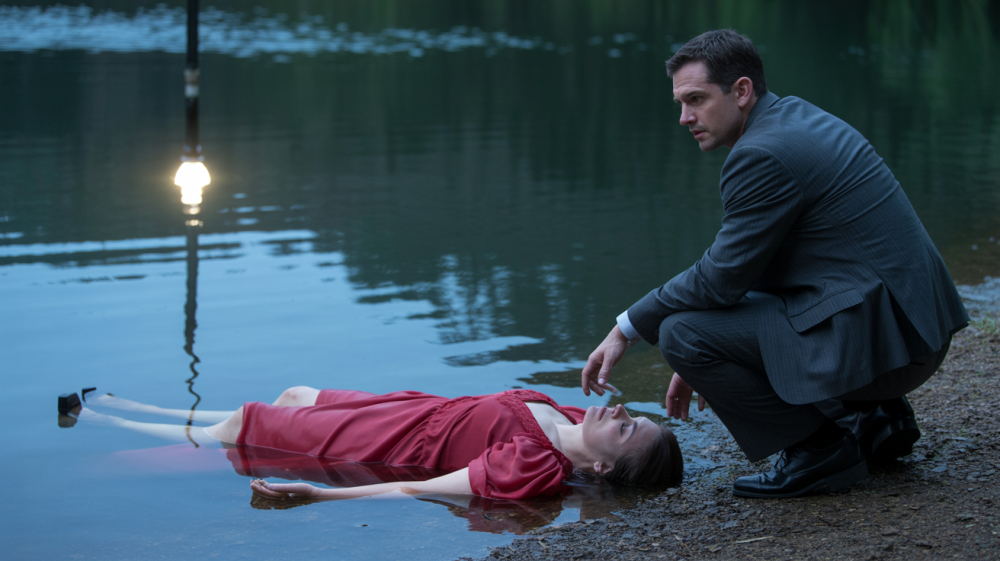
Best Books: FBI vs Serial Killers
The battle between brilliant FBI agents and cunning serial killers creates some of the most gripping fiction ever written. These aren’t just crime stories – they’re intense psychological chess matches where minds clash and the stakes couldn’t be higher.
If you’ve ever wondered what happens when the country’s best criminal profilers go head-to-head with the most dangerous killers, these books offer a front-row seat to mental warfare at its finest.
FBI vs Serial Killers
These books feature a specific type of psychological thriller where FBI agents and serial killers engage in elaborate mind games. Unlike regular crime stories, these focus on the intellectual battle between hunter and hunted.

Step into the dark and read your FREE psychological thriller

Over 100,000 downloads!
Key elements that define this subgenre:
Direct confrontation: The killer and agent often communicate directly through letters, phone calls, or face-to-face meetings.
Intellectual equals: Both the agent and killer are highly intelligent, making their battle a clash of brilliant minds.
Psychological manipulation: Each side tries to get inside the other’s head and control the situation.
Personal stakes: The killer often targets the agent personally, making the case deeply emotional.
Extended cat-and-mouse games: The hunt takes time, with multiple moves and countermoves.
Mind over muscle: Victory comes through intelligence and psychology, not physical force.
The Psychology Behind the Appeal
Why do readers find these mental battles so fascinating?
We love smart protagonists. Watching brilliant agents solve complex puzzles satisfies our desire for intelligent heroes.
The villain is worthy. A smart, dangerous opponent makes the hero’s victory more meaningful.
It’s a safe thrill. We can experience danger and intensity from the safety of our reading chair.
We learn about criminal psychology. These books often include real insights into how killers think.
The stakes feel personal. When killers target agents directly, every move matters more.
We enjoy trying to solve puzzles. Readers can play along and try to outsmart both characters.
Classic Examples That Defined the Genre
The Silence of the Lambs by Thomas Harris
The gold standard for FBI vs serial killer fiction. FBI trainee Clarice Starling must work with imprisoned killer Hannibal Lecter to catch another serial killer. The psychological games between Clarice and Lecter set the template for countless books that followed.
Red Dragon by Thomas Harris
The first Hannibal Lecter novel shows FBI profiler Will Graham coming out of retirement to catch a serial killer. Graham’s ability to think like killers gives him an edge but also threatens his sanity. This book established many tropes still used today.
The Poet by Michael Connelly
Detective Harry Bosch discovers a serial killer targeting homicide detectives. The killer communicates through cryptic messages, turning the investigation into a deadly puzzle. Connelly excels at showing how personal these cases become for investigators.
Kiss the Girls by James Patterson
Psychologist Alex Cross hunts a serial killer who’s been kidnapping and holding women captive. The killer’s elaborate schemes and direct challenges to Cross create a tense psychological battle. Patterson’s short chapters keep the tension high throughout.
Modern Masterpieces of Psychological Warfare
Gone Girl by Gillian Flynn
While not strictly FBI vs serial killer, this psychological thriller shows how two brilliant but twisted minds can destroy each other. The battle between Nick and Amy Dunne demonstrates psychological manipulation at its most devastating.
The Girl with the Dragon Tattoo by Stieg Larsson
Journalist Mikael Blomkvist and hacker Lisbeth Salander hunt a serial killer with a decades-long pattern. The killer’s methodical approach contrasts with the investigators’ unconventional methods, creating fascinating psychological dynamics.
In the Woods by Tana French
Detective Rob Ryan investigates a child’s murder that echoes his own traumatic childhood. The psychological complexity and unreliable narrator create layers of mental warfare between past and present, truth and memory.
The Snowman by Jo Nesbø
Norwegian detective Harry Hole faces a serial killer who builds snowmen at crime scenes and sends cryptic notes. The killer’s obsession with perfection clashes with Harry’s chaotic personal life, creating compelling psychological contrast.
Sharp Objects by Gillian Flynn
Reporter Camille Preaker returns to her hometown to cover a series of murders. The psychological warfare isn’t just between investigator and killer – it involves family dynamics, small-town secrets, and personal demons.
Recommended Reading: The Logan and Scarlett Crime Thriller Series
Different Types of Psychological Warfare
The Taunting Killer
These killers deliberately provoke law enforcement:
- Send letters or messages to investigators
- Leave clues designed to frustrate or mislead
- Often have superiority complexes
- Enjoy the attention and challenge
Example: The Zodiac-inspired killers in many novels who send cryptic messages to police and media.
The Invisible Predator
These killers try to stay completely hidden:
- Avoid all contact with law enforcement
- Leave minimal evidence
- Force agents to work with almost no clues
- Create psychological pressure through their very absence
Example: Killers who operate for years without detection, forcing agents to question their own abilities.
The Personal Vendetta Killer
These target specific agents or their families:
- Research their targets extensively
- Use personal information as psychological weapons
- Often have past connections to law enforcement
- Make the case deeply personal for the investigator
Example: Killers seeking revenge against agents who previously caught them or their associates.
The Intellectual Game Player
These view murder as a puzzle or competition:
- Create elaborate crime scenes
- Leave complex clues that require extensive analysis
- Often have academic or professional backgrounds
- Respect worthy opponents in law enforcement
Example: Professors or researchers who use their knowledge to create perfect crimes.
The Role of Criminal Profiling
FBI profiling adds another layer to the psychological warfare:
Profilers try to get inside killers’ heads. They study crime scenes to understand the killer’s psychology and motivations.
Killers often study profiling too. Smart criminals learn about investigative techniques and try to counter them.
The profile becomes a psychological weapon. Accurate profiles can predict the killer’s next move or provoke them into mistakes.
Some killers try to manipulate their profiles. They deliberately leave misleading evidence to throw off investigators.
Personal vs professional perspectives clash. Profilers must balance objective analysis with emotional investment in catching killers.
Famous Author Approaches to Psychological Battles
Thomas Harris: The Master of Mind Games
Harris created the template for psychological warfare between agents and killers. His characters engage in elaborate mental chess matches where every conversation is loaded with hidden meaning.
Strengths: Incredibly detailed psychological portraits of both heroes and villains. Style: Slow-building tension with explosive psychological revelations. Best for: Readers who enjoy deep character analysis and don’t mind slower pacing.
James Patterson: High-Speed Psychological Action
Patterson combines psychological depth with rapid-fire pacing. His books feature constant action while maintaining focus on the mental battle.
Strengths: Fast-moving plots that keep readers engaged throughout. Style: Short chapters with frequent perspective changes. Best for: Readers who want psychological complexity without slow sections.
Gillian Flynn: Dark Psychological Realism
Flynn explores the darkest aspects of human psychology, showing how ordinary people can become monsters or heroes.
Strengths: Incredibly realistic psychological portraits and unexpected twists. Style: Unreliable narrators and morally ambiguous characters. Best for: Readers who enjoy complex, challenging psychological narratives.
Tana French: Literary Psychological Mystery
French combines beautiful writing with deep psychological exploration, creating mysteries that feel like literary fiction.
Strengths: Gorgeous prose and incredibly complex character development. Style: Atmospheric storytelling with emphasis on psychological realism. Best for: Readers who appreciate literary quality alongside mystery elements.
John Douglas: Reality-Based Psychological Insight
As a real FBI profiler, Douglas brings authentic detail to fictional psychological warfare.
Strengths: Unmatched realism in profiling techniques and criminal psychology. Style: Procedural accuracy combined with compelling storytelling. Best for: Readers who want to understand real psychological profiling methods.
The Chess Match: How These Books Structure Psychological Warfare
Opening Moves
The psychological battle typically begins with:
- The killer’s first crime or communication
- The FBI agent’s initial response or profile
- Early attempts by each side to understand the other
- Establishment of the rules of engagement
Middle Game Tactics
The battle intensifies through:
- Escalating communications between killer and agent
- Each side trying to manipulate the other
- Personal information being weaponized
- Mistakes that reveal psychological weaknesses
Endgame Strategies
The climax usually involves:
- Direct confrontation between killer and agent
- All psychological warfare techniques coming into play
- Personal stakes reaching their highest point
- Victory achieved through superior psychological insight

What Makes a Compelling Psychological Battle?
Equally Matched Opponents
The best books feature adversaries who are intellectual equals. If one side is obviously superior, the battle lacks tension.
Personal Stakes
When killers target agents personally – their families, past cases, or psychological vulnerabilities – every move becomes more meaningful.
Realistic Psychology
Readers can spot fake psychology quickly. The best authors research real criminal behavior and investigative techniques.
Escalating Tension
Each exchange between killer and agent should raise the stakes and increase the psychological pressure.
Surprising but Logical Moves
The best psychological warfare includes unexpected developments that make perfect sense in retrospect.
The Ethical Questions These Books Raise
FBI vs serial killer books often explore difficult moral territory:
How far should agents go to catch killers? Some books show agents using questionable methods or putting themselves at psychological risk.
What happens when hunters become like their prey? Many stories explore how studying killers affects the agents psychologically.
Is it ethical to use prisoners like Hannibal Lecter? The moral implications of consulting with killers to catch other killers.
Should agents risk their families? When killers target agents personally, should they continue the case?
What’s the cost of justice? These books often show the psychological toll on everyone involved in hunting serial killers.
Common Psychological Tactics Used
By Serial Killers
Information warfare: Using personal details about agents as psychological weapons.
Misdirection: Providing true but misleading information to throw off investigations.
Emotional manipulation: Targeting agents’ fears, guilt, or personal traumas.
Time pressure: Creating deadlines that force agents to make rushed decisions.
Isolation tactics: Separating agents from support systems or backup.
By FBI Agents
Profile development: Creating psychological portraits to predict killer behavior.
Strategic communication: Carefully controlling what information to share with killers.
Behavioral analysis: Reading micro-expressions and verbal cues during interactions.
Environmental psychology: Using interview settings and timing to gain advantages.
Team coordination: Using multiple agents with different psychological approaches.
How Accurate Are These Psychological Portrayals?
The realism varies significantly between authors:
Some research extensively. Authors like John Douglas and Michael Connelly bring real-world expertise to their fiction.
Others prioritize drama. Some books exaggerate psychological elements for entertainment value.
Real profiling is less dramatic. Actual FBI work involves more analysis and less direct confrontation with killers.
Psychological manipulation happens. Real killers do try to manipulate investigators, though usually less elaborately than in fiction.
The emotional toll is real. FBI agents and detectives who work these cases do experience psychological effects.
Building Your Reading List: What to Look For
If You Want Realistic Psychology
Look for authors with law enforcement or psychology backgrounds:
- John Douglas (real FBI profiler)
- Michael Connelly (former crime reporter)
- Kathy Reichs (forensic anthropologist)
If You Want Literary Quality
Seek authors known for beautiful writing:
- Tana French (atmospheric literary mysteries)
- Gillian Flynn (dark literary thrillers)
- Kate Atkinson (literary crime fiction)
If You Want Fast-Paced Action
Try authors known for quick plotting:
- James Patterson (rapid-fire chapters)
- Lee Child (action-packed investigations)
- David Baldacci (high-speed thrillers)
If You Want International Perspectives
Explore authors from different countries:
- Jo Nesbø (Norwegian crime fiction)
- Henning Mankell (Swedish psychological mysteries)
- Ian Rankin (Scottish detective fiction)
The Evolution of the Genre
Classic Era (1980s-1990s)
- Established basic templates
- Focus on individual genius agents
- Less realistic profiling techniques
- More straightforward good vs evil dynamics
Modern Era (2000s-2010s)
- More realistic psychology
- Complex moral ambiguity
- Better research into actual FBI methods
- International perspectives
Contemporary Era (2010s-Present)
- Technology integration
- Diverse protagonists and authors
- Social media and digital investigation
- More focus on psychological realism
Red Flags: Books to Avoid
Watch out for these warning signs:
Unrealistic super-agents: Characters who never make mistakes or have unlimited abilities.
Cartoon villains: Killers who are evil for no reason or have impossible capabilities.
Gratuitous violence: Books that focus on gore rather than psychological depth.
Poor research: Authors who clearly don’t understand real profiling or criminal psychology.
Repetitive plots: Books that just copy successful formulas without adding anything new.
The Psychology of Reading These Books
Why do we enjoy these intense psychological battles?
Safe danger: We can experience thrills without real risk.
Intellectual challenge: We enjoy trying to solve puzzles alongside the characters.
Justice fantasy: We want to see evil defeated by good.
Understanding darkness: We’re curious about criminal psychology but from a safe distance.
Hero worship: We admire characters who can face such dangers.
How These Books Affect Readers
Reading intense psychological warfare can have effects:
Increased awareness: You might notice more about people’s behavior and motivations.
Temporary paranoia: Some readers feel more suspicious of others after reading these books.
Better understanding: You learn about real criminal psychology and FBI methods.
Emotional investment: Strong characters make you care deeply about outcomes.
Critical thinking: You develop better skills at analyzing behavior and motivations.
Tips for Enjoying These Books
Take breaks if needed. Intense psychological content can be overwhelming.
Discuss with others. Talking about the psychological elements enhances understanding.
Research the real techniques. Learning about actual FBI methods makes fiction more interesting.
Don’t read before bed. These books can be too stimulating for good sleep.
Balance with lighter reading. Mix in some gentler books to avoid psychological overload.
From Books to Screen
Many FBI vs serial killer books become movies or TV shows:
Books provide more depth than visual adaptations can include.
Internal monologue matters more in books than on screen.
Psychological subtlety often works better in written form.
Series allow character development that movies can’t match.
Books let you think along with characters at your own pace.
The Future of Psychological Warfare Fiction
The genre continues evolving:
Technology integration: Modern books include cyber-psychology and digital investigation.
Diverse voices: More authors from different backgrounds are entering the genre.
International cooperation: Stories increasingly involve multiple countries and agencies.
Realistic portrayals: Better research leads to more accurate depictions of real FBI work.
Complex morality: Modern books explore ethical gray areas more thoroughly.
Building Your Psychological Thriller Library
Start with classics like Thomas Harris to understand the genre foundations.
Try different authors to find styles you enjoy.
Read series to watch character relationships develop over time.
Mix standalone and series books for variety.
Include international authors for different cultural perspectives.
Balance realism and entertainment based on your preferences.
Final Thoughts: The Ultimate Mind Game
FBI vs serial killer books offer some of literature’s most intense psychological battles. These aren’t just stories about good guys catching bad guys – they’re explorations of human nature at its most complex.
The best books in this genre do more than entertain. They make us think about justice, morality, and the thin line between order and chaos. They show us how brilliant minds can be used for both good and evil, and how the battle between them shapes our understanding of humanity itself.
Whether you’re drawn to the realistic procedural elements, the psychological complexity, or the intense cat-and-mouse games, these books offer something unique in the world of fiction. They combine intellectual challenge with emotional investment, creating stories that stay with you long after the final page.
The psychological warfare between FBI agents and serial killers represents literature’s ultimate chess match – where the pieces are human lives and the victory goes to whoever better understands the darkness and light within us all.