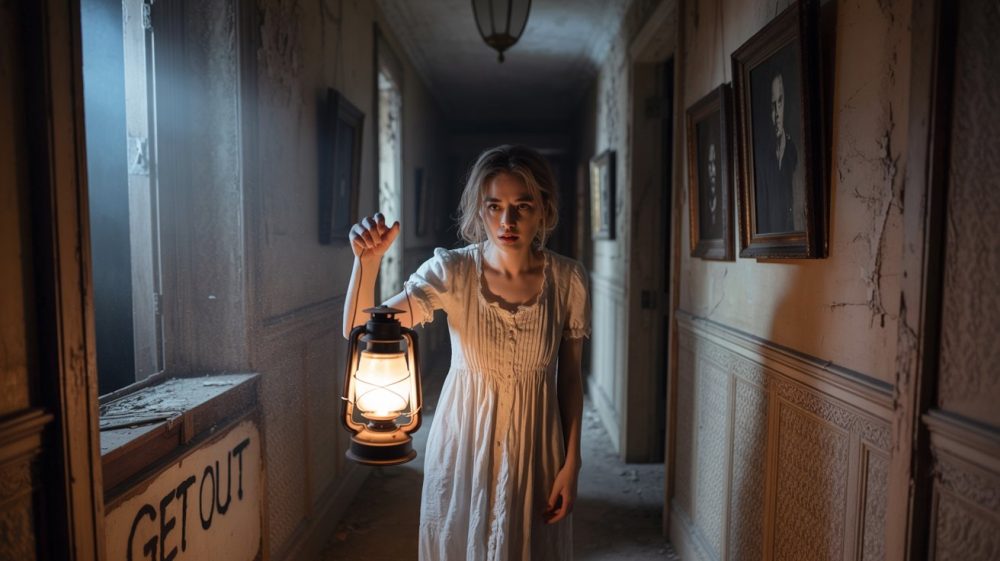
The Top-17 Thriller Horror Books: Female Protagonists
Horror and thriller literature has evolved dramatically in how it portrays women. Gone are the days when female characters existed only to scream and be rescued. Today’s best horror books feature fierce heroines who fight back, investigate mysteries, survive impossible odds, and sometimes embrace their own darkness. These 17 books showcase women who refuse to be victims and instead become the masters of their own terrifying destinies.
The Evolution of Female Protagonists in Horror
From Victim to Victor: How Women’s Roles Changed
Traditional Horror (Pre-1970s)
- Women as victims, damsels in distress, or cautionary tales
- Male heroes rescue helpless females
- Female sexuality portrayed as dangerous or punishable
- Limited agency or problem-solving abilities
Transitional Period (1970s-1990s)
- Introduction of “Final Girl” trope—last survivor who fights back
- Women begin showing resourcefulness and survival instincts
- Still often reactive rather than proactive
- Strength emerges through extreme circumstances
Modern Era (2000s-Present)
- Women as investigators, hunters, and complex anti-heroes
- Female protagonists with professional expertise and authority
- Psychological complexity beyond survival instincts
- Agency from the beginning, not just when threatened

Step into the dark and read your FREE psychological thriller

Over 100,000 downloads!
Character Archetype Categories
Understanding different types of female protagonists helps readers find books that match their preferences:
The Final Girl
Characteristics: Resourceful survivor who outlasts everyone else Strengths: Quick thinking, determination, moral compass Common plots: Slasher scenarios, survival horror, isolated settings
The Investigator
Characteristics: Professional or amateur detective solving crimes Strengths: Analytical mind, persistence, professional skills Common plots: Serial killer hunts, mystery solving, police procedurals
The Survivor
Characteristics: Ordinary woman facing extraordinary circumstances Strengths: Adaptability, fierce protection of family, inner strength Common plots: Apocalyptic scenarios, home invasion, family threats
The Anti-Hero
Characteristics: Morally complex woman with dark impulses Strengths: Intelligence, ruthlessness, unpredictability Common plots: Revenge stories, psychological manipulation, vigilante justice
The 17 Best Female Protagonist Thriller Horror Books
Organized by character archetype with strength/agency ratings
Final Girl Archetypes: Survivors Against All Odds
1. The Haunting of Hill House by Shirley Jackson
- Protagonist: Eleanor Vance
- Archetype: Final Girl (psychological horror variant)
- Strength Rating: 6/10 (vulnerable but perceptive)
- Agency Rating: 4/10 (circumstances control her more than she controls them)
- Why she’s compelling: Eleanor’s sensitivity makes her both victim and observer of supernatural forces
- Character evolution: Starts fragile, gains insight into the house’s nature, makes final autonomous choice
- Perfect for: Readers who appreciate psychological complexity over physical confrontation
2. Bird Box by Josh Malerman
- Protagonist: Malorie Hayes
- Archetype: Survivor/Final Girl
- Strength Rating: 9/10 (incredible physical and mental endurance)
- Agency Rating: 8/10 (makes crucial survival decisions throughout)
- Why she’s compelling: Mother’s love drives superhuman survival instincts
- Character evolution: Pregnant and vulnerable to fierce protector and leader
- Perfect for: Fans of post-apocalyptic survival with maternal themes
3. The Final Girls by Riley Sager
- Protagonist: Quincy Carpenter
- Archetype: Final Girl (meta-commentary on the trope)
- Strength Rating: 7/10 (physically capable when needed)
- Agency Rating: 6/10 (struggles with trauma but ultimately takes control)
- Why she’s compelling: Survivor’s guilt and media attention create complex psychological landscape
- Character evolution: From traumatized victim to empowered woman reclaiming her narrative
- Perfect for: Readers who enjoy self-aware horror that examines genre conventions
4. Mexican Gothic by Silvia Moreno-Garcia
- Protagonist: Noemí Taboada
- Archetype: Final Girl/Investigator hybrid
- Strength Rating: 8/10 (intellectually formidable, physically brave)
- Agency Rating: 9/10 (drives investigation and resistance efforts)
- Why she’s compelling: Independent Mexican woman challenges both supernatural evil and patriarchal oppression
- Character evolution: Socialite to serious investigator to family savior
- Perfect for: Gothic horror fans wanting diverse perspectives and feminist themes
Investigator Archetypes: Women Who Hunt the Truth
5. In the Woods by Tana French
- Protagonist: Cassie Maddox (becomes lead in later books)
- Archetype: Professional Investigator
- Strength Rating: 8/10 (skilled detective with emotional intelligence)
- Agency Rating: 9/10 (leads investigations, makes key decisions)
- Why she’s compelling: Complex police detective balancing professional duty with personal involvement
- Character evolution: Competent detective to someone whose past collides with present cases
- Perfect for: Literary crime fiction fans who appreciate character depth
6. Postmortem by Patricia Cornwell
- Protagonist: Kay Scarpetta
- Archetype: Professional Investigator (Medical Examiner)
- Strength Rating: 9/10 (medical expertise and physical courage)
- Agency Rating: 10/10 (leads investigations, makes critical discoveries)
- Why she’s compelling: First major female medical examiner protagonist in popular fiction
- Character evolution: Established expert who grows more personally involved in cases
- Perfect for: Forensic thriller fans wanting technical accuracy and strong female authority
7. The Cuckoo’s Calling by Robert Galbraith (J.K. Rowling)
- Protagonist: Robin Ellacott
- Archetype: Amateur Investigator (becomes professional)
- Strength Rating: 7/10 (grows stronger throughout series)
- Agency Rating: 8/10 (increasingly important to solving cases)
- Why she’s compelling: Temp secretary who discovers talent for detective work
- Character evolution: Underestimated assistant to valued partner and skilled investigator
- Perfect for: Mystery fans who enjoy watching characters develop professional skills
8. Sharp Objects by Gillian Flynn
- Protagonist: Camille Preaker
- Archetype: Investigator/Anti-Hero
- Strength Rating: 6/10 (psychologically damaged but determined)
- Agency Rating: 7/10 (drives investigation despite personal obstacles)
- Why she’s compelling: Journalist returning home to cover murders while battling own demons
- Character evolution: Self-destructive reporter to someone confronting family trauma
- Perfect for: Psychological thriller fans comfortable with disturbing content
Survivor Archetypes: Ordinary Women, Extraordinary Circumstances
9. The Road by Cormac McCarthy
- Note: While the protagonist is male, the memory of the wife/mother drives the narrative
- Alternative: Station Eleven by Emily St. John Mandel
- Protagonist: Kirsten Raymonde and other female survivors
- Archetype: Post-Apocalyptic Survivor
- Strength Rating: 8/10 (adapts to harsh new world)
- Agency Rating: 8/10 (creates meaning and community after collapse)
- Perfect for: Literary post-apocalyptic fiction with hopeful elements
10. The Stand by Stephen King
- Protagonist: Frannie Goldsmith (among ensemble cast)
- Archetype: Survivor/Community Builder
- Strength Rating: 7/10 (emotional strength and practical wisdom)
- Agency Rating: 8/10 (important decision-maker in new society)
- Why she’s compelling: Pregnant woman helping rebuild civilization after plague
- Character evolution: Small-town girl to mother figure for new world
- Perfect for: Epic horror fans who enjoy ensemble casts and world-building
11. The Passage by Justin Cronin
- Protagonist: Amy Harper Bellafonte (The Girl from Nowhere)
- Archetype: Survivor/Chosen One
- Strength Rating: 10/10 (superhuman abilities)
- Agency Rating: 9/10 (central to humanity’s survival)
- Why she’s compelling: Young girl becomes humanity’s hope against vampire apocalypse
- Character evolution: Vulnerable child to powerful being to complex young woman
- Perfect for: Vampire/post-apocalyptic fans wanting epic scope
12. World War Z by Max Brooks
- Protagonist: Multiple female survivors in oral history format
- Archetype: Various Survivor types
- Strength Rating: 8/10 (different women show different strengths)
- Agency Rating: 8/10 (women in various leadership and survival roles)
- Why it’s compelling: Shows how different women adapt to zombie apocalypse
- Perfect for: Zombie fiction fans wanting realistic survival scenarios
Anti-Hero Archetypes: Dark, Complex, Morally Ambiguous
13. Gone Girl by Gillian Flynn
- Protagonist: Amy Elliott Dunne
- Archetype: Anti-Hero/Manipulator
- Strength Rating: 10/10 (intellectually superior, perfectly calculating)
- Agency Rating: 10/10 (orchestrates entire plot, controls other characters)
- Why she’s compelling: Brilliant sociopath who refuses to be victim of marriage problems
- Character evolution: Perfect wife facade to revealed master manipulator
- Perfect for: Psychological thriller fans comfortable with unlikable protagonists
14. You by Caroline Kepnes
- Protagonist: Beck (viewed through Joe’s obsession) – Better example: Hidden Bodies has more female agency
- Alternative: Big Little Lies by Liane Moriarty
- Protagonists: Celeste Wright, Madeline Martha Mackenzie, Jane Chapman
- Archetype: Survivors who become investigators
- Strength Rating: 8/10 (each woman shows different types of strength)
- Agency Rating: 9/10 (women band together to solve mystery and protect each other)
- Perfect for: Domestic thriller fans interested in female friendships
15. The Girl with the Dragon Tattoo by Stieg Larsson
- Protagonist: Lisbeth Salander
- Archetype: Anti-Hero/Investigator
- Strength Rating: 9/10 (computer hacking skills, physical fighting ability)
- Agency Rating: 10/10 (pursues own agenda, helps others on her terms)
- Why she’s compelling: Abuse survivor who uses her skills to punish predators
- Character evolution: Victim of system to vigilante who helps other victims
- Perfect for: Crime thriller fans wanting complex female anti-hero
16. We Need to Talk About Kevin by Lionel Shriver
- Protagonist: Eva Khatchadourian
- Archetype: Anti-Hero/Unreliable Narrator
- Strength Rating: 6/10 (emotionally strong enough to examine painful truth)
- Agency Rating: 7/10 (chooses to confront reality rather than deny it)
- Why she’s compelling: Mother examining her relationship with psychopathic son
- Character evolution: Denial and guilt to painful self-examination and acceptance
- Perfect for: Psychological horror fans interested in maternal themes
17. The Silence of the Lambs by Thomas Harris
- Protagonist: Clarice Starling
- Archetype: Professional Investigator/Final Girl hybrid
- Strength Rating: 9/10 (FBI training, psychological resilience, physical courage)
- Agency Rating: 9/10 (leads investigation, makes crucial decisions, survives through skill)
- Why she’s compelling: Young FBI trainee who outsmarts both Hannibal Lecter and Buffalo Bill
- Character evolution: Inexperienced trainee to competent agent who saves lives
- Perfect for: Classic thriller fans wanting the gold standard of strong female protagonists
Strength and Agency Rating System
Strength Rating (Physical + Mental + Emotional)
- 1-3: Frequently helpless, needs rescue, limited problem-solving
- 4-6: Some capability, occasional effective action, growing competence
- 7-8: Generally capable, handles most challenges, occasional setbacks
- 9-10: Highly competent, rarely needs help, overcomes major obstacles
Agency Rating (Control Over Story + Decision-Making)
- 1-3: Things happen TO character, reactive only, limited choices
- 4-6: Some proactive behavior, makes some important decisions
- 7-8: Often drives plot forward, makes most key decisions
- 9-10: Controls narrative, determines outcomes, leads other characters
Character Archetype Comparison Chart
| Archetype | Average Strength | Average Agency | Common Plots | Reader Appeal |
|---|---|---|---|---|
| Final Girl | 7/10 | 6/10 | Survival horror, slasher scenarios | Underdog victories, resourcefulness |
| Investigator | 8/10 | 9/10 | Serial killer hunts, mysteries | Problem-solving, professional competence |
| Survivor | 8/10 | 8/10 | Apocalyptic, family protection | Maternal instincts, adaptability |
| Anti-Hero | 9/10 | 10/10 | Revenge, psychological manipulation | Complex morality, power dynamics |
Evolution Timeline: From Victim to Victor
1960s: The Helpless Heroine
- Women primarily victims or love interests
- Rescued by male heroes
- Sexuality = danger/punishment
- Example: Traditional Gothic heroines
1970s: The Fighting Final Girl
- Last survivor who fights back
- Still reactive but shows resourcefulness
- Beginning of female agency in horror
- Example: Laurie Strode in Halloween
1980s-1990s: Professional Women
- Female cops, doctors, journalists
- Professional expertise becomes strength
- Still often underestimated by male colleagues
- Example: Kay Scarpetta emerges
2000s: Psychological Complexity
- Unreliable narrators and morally complex women
- Internal psychology as important as external threats
- Women with dark impulses and secrets
- Example: Gillian Flynn’s protagonists
2010s-Present: Full Spectrum Heroines
- Every type of strength and agency represented
- Women of all ages, backgrounds, professions
- Intersectional approaches to character development
- Example: Diverse voices in horror and thriller
What Makes a Strong Female Protagonist
Step into the dark and read your FREE psychological thriller
Over 100,000 downloads!
Essential Qualities
Agency: Character makes important decisions that affect the plot outcome Competence: Possesses skills relevant to the challenges she faces Growth: Evolves throughout the story, learning and adapting Complexity: Has both strengths and flaws, clear motivations Authenticity: Feels like a real person, not a symbol or stereotype
Common Mistakes in Weak Female Characters
Too Perfect: No flaws or struggles make character unrelatable Reactive Only: Always responding to others’ actions, never initiating Single Trait: Defined only by one characteristic (tough, smart, etc.) Male Character in Female Body: Acts exactly like traditional male hero Victim Throughout: Never grows beyond initial helplessness
Reading Recommendations by Preference
If You Want Classic Horror with Strong Women:
- Shirley Jackson (The Haunting of Hill House) – Psychological horror pioneer
- Thomas Harris (The Silence of the Lambs) – Iconic FBI agent Clarice Starling
- Patricia Cornwell (Postmortem) – Medical examiner breaking new ground
If You Prefer Modern Psychological Thrillers:
- Gillian Flynn (Sharp Objects, Gone Girl) – Complex, morally ambiguous women
- Tana French (In the Woods) – Literary crime with deep character development
- Riley Sager (Final Girls) – Meta-commentary on horror tropes
If You Like Survival/Post-Apocalyptic Stories:
- Josh Malerman (Bird Box) – Mother protecting children in dangerous world
- Justin Cronin (The Passage) – Epic vampire apocalypse with young female savior
- Emily St. John Mandel (Station Eleven) – Post-pandemic survival with hope
If You Want Diverse Voices and Perspectives:
- Silvia Moreno-Garcia (Mexican Gothic) – Mexican woman vs. colonial horror
- Nnedi Okorafor (Who Fears Death) – African post-apocalyptic fantasy
- Tananarive Due (The Good House) – African American supernatural horror
If You Enjoy Anti-Heroes and Moral Complexity:
- Stieg Larsson (The Girl with the Dragon Tattoo) – Abuse survivor turned vigilante
- Lionel Shriver (We Need to Talk About Kevin) – Mother examining difficult truth
- Caroline Kepnes (Providence) – Complex exploration of obsession and protection
Frequently Asked Questions
Q: Are female protagonists in horror just as capable as male ones? A: Modern horror features female protagonists who are equally capable, often more so. They bring different types of strength and problem-solving approaches that make stories more interesting.
Q: Do books with female protagonists have different types of scares? A: They often emphasize psychological horror, social dynamics, and personal relationships alongside traditional horror elements. The fear feels more emotionally complex.
Q: Are these books only for female readers? A: Absolutely not. Great characters transcend gender. Many male readers prefer books with strong female protagonists because they offer fresh perspectives and compelling stories.
Q: How do I know if a female protagonist is well-written or just a stereotype? A: Well-written characters have clear motivations, make believable decisions, show growth, and feel like real people. They’re defined by more than one trait or relationship.
Q: Do female authors write better female protagonists? A: Not necessarily, though they often bring authentic details about women’s experiences. Great characters depend more on the author’s skill and understanding than their gender.
Q: Are there female protagonists in every horror subgenre? A: Yes! From cosmic horror to slashers to psychological thrillers, you can find compelling female protagonists in every type of horror and thriller fiction.
Q: How has the “Final Girl” trope evolved? A: Modern Final Girls are proactive from the beginning, not just reactive survivors. They use intelligence, skills, and resources rather than just luck and determination.
Q: Can female protagonists be villains too? A: Absolutely. Some of the most compelling horror features women as complex antagonists or anti-heroes who blur the line between hero and villain.
The Future of Female Protagonists in Horror
Current trends suggest even more exciting developments ahead:
Intersectional Characters: Women who represent multiple identities and experiences Genre Blending: Female protagonists in horror-romance, horror-sci-fi, horror-fantasy combinations International Voices: More translated horror featuring women from different cultures Age Diversity: Stories featuring girls, teenagers, middle-aged women, and elderly heroines Professional Variety: Women in every career field bringing unique expertise to horror scenarios
Conclusion: Horror’s Heroines Have Arrived
The evolution from screaming victim to fierce heroine represents one of horror literature’s most positive developments. These 17 books showcase women who refuse to be defined by fear. Instead, they investigate mysteries, survive impossible odds, protect their families, and sometimes embrace their own darkness to overcome even greater evils.
Whether you prefer the psychological complexity of Gillian Flynn’s anti-heroes, the professional competence of Patricia Cornwell’s Kay Scarpetta, or the supernatural strength of Justin Cronin’s Amy, modern horror offers female protagonists for every taste. They prove that the most terrifying thing for horror’s traditional monsters isn’t a man with a weapon—it’s a woman who refuses to be a victim.
These heroines don’t just survive their stories—they transform them, and us, in the process. They show that strength comes in many forms, that intelligence can be more powerful than physical force, and that the best horror explores not just what scares us, but what makes us fight back against our fears.
The future of horror belongs to these fierce heroines, and readers are the winners.