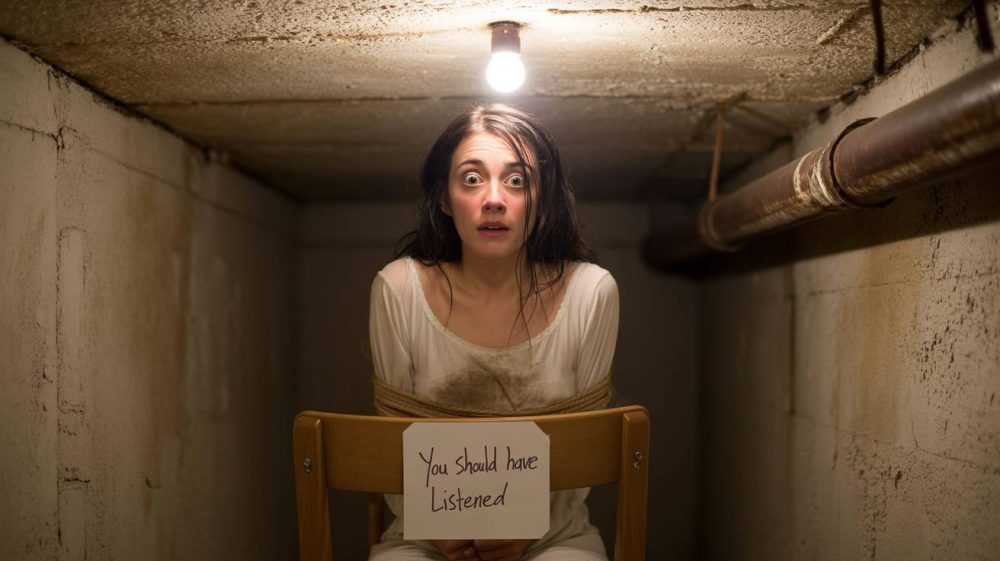
Our Favorite Serial Killer Book Series
Some serial killer book series stay with you long after you close the book. These aren’t just scary stories – they’re psychological journeys that get inside your head and make you think about the darkest parts of human nature.
The most haunting serial killer series combine realistic criminal psychology with unforgettable characters and disturbing crimes that feel all too possible. They make you question what you know about good and evil.
This guide explores serial killer book series that will genuinely haunt your dreams. We’ll help you find books that offer more than just thrills – they provide psychological experiences you won’t forget.

Step into the dark and read your FREE suspense thriller

Over 100,000 downloads!
What Makes a Serial Killer Series Truly Haunting
Not all serial killer books are created equal. The ones that truly haunt readers share certain powerful characteristics.
Realistic psychology. The killers feel like real people with believable motivations, not cartoon villains.
Unforgettable characters. Both investigators and criminals stick in your memory long after reading.
Atmospheric writing. Authors create moods that make you feel unsafe even in familiar places.
Moral complexity. Characters face difficult choices where right and wrong aren’t always clear.
Psychological insight. You understand how killers think without sympathizing with their actions.
Lasting impact. The stories change how you see the world and think about human nature.
Disturbing realism. The crimes feel possible and scary because they could actually happen.
Character development. Protagonists grow and change, often damaged by their experiences.
Deeply Disturbing Psychological Series
These series focus on the mental aspects of serial killing and investigation, creating lasting psychological impact.
Recommended Reading: Dark Water Cove
Gillian Flynn’s Sharp Objects Universe
While Flynn is known for standalone novels, her approach to psychological darkness creates a haunting reading experience.
“Sharp Objects” – Camille Preaker investigates child murders in her hometown while battling her own psychological demons.
Why it haunts: Flynn explores how childhood trauma creates both victims and perpetrators in ways that feel sickeningly real.
Psychological depth: The line between investigating evil and becoming evil blurs throughout the story.
Family dysfunction: Shows how families can be more dangerous than strangers in ways that challenge basic assumptions about safety.
Self-harm themes: Deals with cutting and self-destruction in graphic but psychologically accurate ways.
Lasting impact: Readers report thinking about the family dynamics and psychological manipulation long after finishing.
Tana French’s Dublin Murder Squad
Each book features a different detective, but the series creates a cumulative psychological impact about how investigating murders changes people.
Start with: “In the Woods” (2007)
Why it’s haunting: French shows how unsolved crimes and past trauma follow investigators throughout their lives.
Psychological realism: Detectives suffer realistic mental health consequences from their work.
Unresolved mysteries: Some crimes remain unsolved, reflecting the disturbing reality that not all evil gets punished.
Character damage: Each book shows how investigating dark crimes psychologically damages the investigators.
Literary quality: French writes with literary sophistication that makes the horror more impactful.
Irish atmosphere: The settings become characters themselves, creating persistent mood of unease.
Chelsea Cain’s Archie Sheridan Series
Detective Archie Sheridan and Dr. Gretchen Lowell – A detective psychologically destroyed by a female serial killer who continues to manipulate him.
Start with: “Heartsick” (2007)
Why it haunts readers: The ongoing psychological relationship between victim and tormentor is deeply disturbing.
Stockholm syndrome elements: Archie’s complicated feelings toward his torturer challenge readers’ understanding of victim psychology.
Female serial killer: Gretchen Lowell subverts expectations about women and violence in unsettling ways.
Manipulation mastery: Shows how intelligent killers can control people psychologically long after physical contact ends.
Realistic trauma: Archie’s PTSD and psychological damage are portrayed with disturbing accuracy.
Moral confusion: Readers find themselves understanding both the detective’s attraction to and revulsion for his tormentor.
Similar Reading: The Scarlett Bell series
International Series That Chill to the Bone
Authors from different countries bring unique cultural perspectives to serial killer fiction, often making the horror feel fresh and more disturbing.
Mo Hayder’s Jack Caffery Series
British Detective Inspector Jack Caffery investigates ritualistic and psychologically complex murders.
Start with: “Birdman” (1999)
Why it’s haunting: Hayder creates genuinely disturbing crime scenes and psychological profiles that feel uncomfortably real.
British noir: London settings add claustrophobic urban atmosphere to already dark stories.
Ritualistic crimes: The killers often have elaborate psychological rituals that make their crimes more disturbing.
Personal trauma: Caffery’s own tragic history affects how he investigates crimes and relates to victims.
Atmospheric horror: Hayder builds genuine dread through psychological pressure rather than cheap scares.
Forensic detail: Crime scene descriptions are detailed enough to be educational but disturbing enough to be memorable.
Stieg Larsson’s Millennium Series
Lisbeth Salander and Mikael Blomkvist investigate crimes involving violence against women and institutional corruption.
Start with: “The Girl with the Dragon Tattoo” (2005)
Why it haunts: The series exposes how violence against women is often enabled by social institutions and family structures.
Social commentary: Shows how serial abuse can be hidden and protected by powerful people and institutions.
Female protagonist: Lisbeth Salander is both victim and avenger in ways that challenge traditional victim narratives.
Swedish perspective: Scandinavian setting contrasts peaceful society with hidden violence in disturbing ways.
Generational trauma: Shows how abuse cycles through families and institutions across generations.
Technology elements: Uses modern technology and hacking to investigate historical crimes and abuse.
Camilla Läckberg’s Fjällbacka Series
Erica Falck and Patrik Hedström investigate murders in small Swedish communities where everyone knows everyone.
Start with: “The Ice Princess” (2003)
Why it’s disturbing: Shows how small communities can hide and enable terrible crimes through silence and social pressure.
Family secrets: Multi-generational family dysfunction drives many of the most disturbing crimes.
Social dynamics: Explores how community loyalty can protect predators and silence victims.
Swedish culture: The contrast between beautiful, peaceful settings and horrible crimes creates lasting unease.
Historical connections: Past crimes often connect to present murders in psychologically complex ways.
Community complicity: Shows how entire communities can become complicit in covering up serial abuse and murder.
American Series That Explore Dark Psychology
These American authors create serial killer series that dig deep into the American psyche and social problems.
Mindy McGinnis
“The Female of the Species” and related works explore violence, revenge, and justice in ways that haunt readers.
Contemporary settings: Modern American high schools and communities provide familiar but dangerous backdrops.
Teen perspectives: Young adult characters deal with violence and trauma in psychologically realistic ways.
Social commentary: Addresses real problems like sexual assault and victim-blaming that affect readers’ daily lives.
Moral complexity: Characters make choices about justice and revenge that challenge readers’ ethical assumptions.
Realistic consequences: Shows how violence affects entire communities and families for generations.
Karin Slaughter’s Will Trent Series
Georgia Bureau of Investigation Agent Will Trent investigates violent crimes while dealing with his own traumatic past.
Start with: “Triptych” (2006)
Why it’s haunting: Slaughter doesn’t shy away from showing how childhood abuse creates both victims and perpetrators.
Southern Gothic elements: Georgia settings add cultural complexity to already disturbing crime stories.
Character trauma: Will Trent’s own abuse history affects how he investigates crimes and relates to victims.
Realistic violence: Slaughter portrays violence and its consequences with unflinching accuracy.
Social issues: Books address real problems affecting American communities through crime stories.
Victim advocacy: Despite dark content, maintains focus on seeking justice for victims and survivors.

Gillian Flynn’s Approach to American Darkness
While known for standalone novels, Flynn’s exploration of American violence and family dysfunction creates a cumulative impact.
“Dark Places” and “Gone Girl” show different aspects of how American culture can create and enable violence.
Media criticism: Shows how news coverage and social media can manipulate public opinion about crimes.
Economic pressure: Explores how financial stress and social expectations contribute to violence.
Gender dynamics: Challenges assumptions about women as victims and men as perpetrators.
Family dysfunction: Shows how families can be more dangerous than strangers in psychologically complex ways.
American dream corruption: Explores how pursuing success and happiness can lead to moral corruption.
Series That Blur the Line Between Victim and Perpetrator
These books are particularly haunting because they challenge readers’ assumptions about good and evil.
Laura Lippman’s Baltimore Series
Tess Monaghan – Private investigator in Baltimore who encounters morally complex crimes.
Start with: “Baltimore Blues” (1997)
Why it’s disturbing: Lippman shows how ordinary people can become involved in terrible crimes through seemingly small choices.
Urban decay: Baltimore’s social problems provide realistic backdrop for examining how environments affect behavior.
Moral ambiguity: Characters often face choices where all options have negative consequences.
Economic factors: Shows how poverty and desperation drive people to make dangerous moral compromises.
Social commentary: Addresses real urban problems through crime stories that feel uncomfortably relevant.
Character complexity: Both criminals and investigators have believable motivations and moral struggles.
Dennis Lehane’s Kenzie and Gennaro Series
Patrick Kenzie and Angie Gennaro – Private detectives in working-class Boston neighborhoods.
Start with: “A Drink Before the War” (1994)
Why it haunts: Lehane shows how violence cycles through communities and families in ways that seem impossible to break.
Working-class perspective: Characters understand the economic and social pressures that contribute to violence.
Neighborhood dynamics: Shows how communities can both protect and endanger their members.
Moral complexity: Detectives often face choices between legal justice and community loyalty.
Realistic consequences: Violence affects characters and communities for years after specific crimes are solved.
Social realism: Addresses real problems affecting American urban communities.
What Makes These Series Psychologically Haunting
Understanding why certain books have lasting psychological impact helps explain their power and appeal.
Realistic Criminal Psychology
Believable motivations: The killers have understandable (though twisted) reasons for their actions.
Gradual revelation: You learn about criminal psychology slowly, making the horror build gradually.
Psychological accuracy: Authors research real criminal behavior to make their fictional killers believable.
Human complexity: Criminals aren’t pure evil – they have human qualities that make them more disturbing.
Victim psychology: Shows how trauma affects survivors in psychologically realistic ways.
Atmospheric Writing
Mood creation: Authors build persistent feelings of unease and danger through setting and description.
Sensory details: Descriptions appeal to all senses, making scenes feel vivid and memorable.
Pacing control: Tension builds slowly and sustainably rather than through cheap shock tactics.
Setting as character: Locations become part of the story’s emotional and psychological landscape.
Symbolic elements: Objects, weather, and locations carry emotional and psychological meaning beyond their literal functions.
Character Development
Protagonist damage: Main characters are changed and often damaged by their experiences with evil.
Realistic trauma: Characters suffer believable psychological consequences from encountering violence.
Moral evolution: Characters’ ethical beliefs are challenged and sometimes changed by their experiences.
Relationship effects: Violence affects how characters relate to family, friends, and colleagues.
Long-term consequences: The effects of encountering evil follow characters throughout entire series.
Content Warnings and Reader Preparation
These books deal with serious psychological content that can be disturbing and potentially triggering.
Psychological Content
Trauma descriptions: Detailed exploration of how violence affects victims psychologically.
Abuse themes: Many books deal with childhood abuse and its long-term effects.
Mental health issues: As in the bestselling Wolf Lake series, characters often struggle with PTSD, depression, and other trauma-related conditions.
Suicide and self-harm: Some books include graphic descriptions of self-destructive behavior.
Psychological manipulation: Detailed descriptions of how predators manipulate and control victims.
Violence Considerations
Realistic consequences: Violence is portrayed with attention to its real physical and emotional effects.
Victim focus: Most quality books maintain focus on victims rather than glorifying perpetrators.
Graphic descriptions: Some authors include detailed crime scene and forensic information.
Sexual violence: Many books deal with sexual assault and abuse as plot elements.
Child victims: Some series include crimes against children, though most handle this topic carefully.
Reader Self-Care
Know your limits: Be honest about what content you can handle without being overwhelmed.
Take breaks: Don’t feel pressured to read disturbing content quickly or continuously.
Discuss content: Talk about disturbing themes with friends, family, or counselors if needed.
Balance reading: Mix darker content with lighter books to avoid emotional overload.
Stop if needed: It’s okay to stop reading books that become too psychologically difficult.
Why These Series Have Lasting Impact
Understanding why certain serial killer series haunt readers helps explain their power and cultural importance.
Psychological Realism
Human complexity: The best series show that real evil is complex and often comes from understandable human failings.
Institutional critique: Many books examine how social institutions can enable or cover up violence.
Cultural commentary: Authors use crime stories to explore broader social problems and cultural issues.
Historical accuracy: Some series address real historical crimes or social conditions.
Contemporary relevance: The best books address current social problems through crime fiction.
Educational Value
Criminal psychology: Readers learn about real criminal behavior and psychology through fictional examples.
Victim advocacy: Quality books educate readers about supporting survivors and preventing violence.
Social awareness: Crime fiction can highlight real social problems that need attention.
Critical thinking: Complex moral situations encourage readers to think carefully about justice and ethics.
Empathy development: Understanding different perspectives helps readers develop compassion and insight.
Building Your Haunting Serial Killer Library
Start with your comfort level. Choose books that challenge you without overwhelming you psychologically.
Research content warnings. Read reviews that mention specific types of disturbing content.
Explore different cultures. International authors bring varied perspectives to familiar themes.
Mix standalone and series. Series allow character development while standalones offer different approaches.
Join discussion groups. Online communities help process disturbing content and discover new books.
Balance your reading. Don’t read only dark content – mix in lighter books for emotional balance.
The Future of Haunting Crime Fiction
This genre continues to evolve as authors find new ways to explore the darkest aspects of human psychology.
Diverse voices: Authors from different backgrounds bring fresh perspectives to familiar themes.
Contemporary issues: Modern books address current social problems like online harassment and economic inequality.
Psychological research: New understanding of trauma and mental health influences how authors portray characters.
Global perspectives: International cooperation in crime fighting creates opportunities for cross-cultural stories.
Technology integration: Modern communication and surveillance technologies change both crime and investigation methods.
Victim advocacy: Increased awareness of victim rights influences how authors approach crime fiction.
Your Next Haunting Read
Serial killer book series that truly haunt your dreams offer more than entertainment – they provide psychological experiences that change how you see the world. These books challenge your assumptions about human nature, justice, and the thin line between civilization and savagery.
Whether you’re drawn to the psychological complexity of Tana French, the disturbing family dynamics of Gillian Flynn, the international perspectives of Scandinavian noir, or the social commentary of American crime fiction, you’ll find series that stay with you long after you close the book.
These authors understand that the most effective horror comes not from monsters but from the recognition that evil often wears human faces and lives in familiar places. They show us that the most frightening predators are often the ones who seem most normal.
Start with any series from this guide that matches your psychological comfort level. Remember that these books deal with serious content that affects real people. The best authors balance entertainment with respect for victims and educational value about the nature of violence and evil.
Your next haunting read is waiting to take you into the darkest corners of human psychology, where you’ll discover that the most terrifying monsters are the ones that could be real.