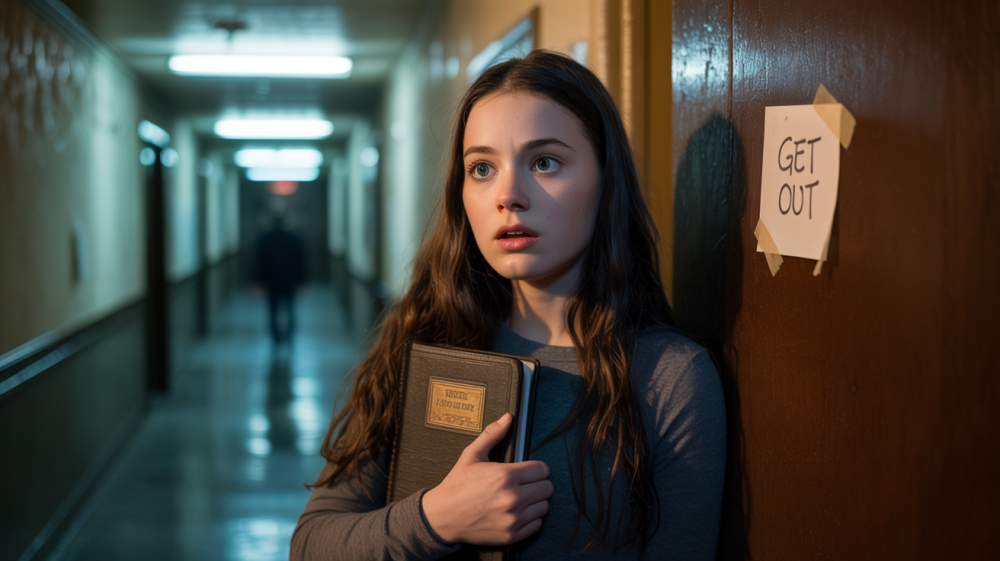
YA Thriller Books vs. Movies
Young adult thriller books and their movie adaptations can be very different experiences. Sometimes the movie is amazing and makes you want to read the book. Other times, you love the book so much that the movie disappoints you.
Understanding how books become movies helps you decide whether to read first or watch first. It also helps you appreciate what each format does best.
This guide explores popular YA thriller book-to-movie adaptations. We’ll help you understand the differences and decide how to enjoy both versions.
Why YA Thrillers Get Turned Into Movies
Young adult thriller books make great movies for several reasons that appeal to both studios and audiences.

Step into the dark and read your FREE suspense thriller

Over 100,000 downloads!
Built-in audience. Popular books already have fans who will want to see the movie version.
Exciting plots. Thriller stories have action, suspense, and drama that work well on screen.
Teen appeal. Movies based on YA books attract both teen readers and general movie audiences.
Franchise potential. Successful book series can become multiple movies, making studios more money.
Proven stories. Books that are already popular are safer investments than completely new stories.
Marketing advantage. Book fans help promote movies through social media and word of mouth.
Age-appropriate content. YA thrillers offer excitement without being too mature for younger viewers.
Recommended Reading: The Scout Mourning Thrillers and Mysteries
Popular YA Thriller Book-to-Movie Adaptations
These successful adaptations show different approaches to turning books into films.
The Maze Runner Series
Books by James Dashner – Teens trapped in a maze must escape while fighting deadly creatures.
Movies: Three films (2014-2018) starring Dylan O’Brien.
What changed: The movies simplified some plot elements and changed the ending of the series.
Why it worked: The maze concept translated perfectly to visual media, creating exciting action sequences.
Book advantages: More time to develop characters and explain the complex world-building.
Movie advantages: Stunning visual effects brought the maze and creatures to life.
Fan reactions: Most fans enjoyed both versions but preferred different aspects of each.
Miss Peregrine’s Home for Peculiar Children
Book by Ransom Riggs – A boy discovers a home for children with supernatural abilities.
Movie: 2016 film directed by Tim Burton.
What changed: The movie altered character ages, abilities, and major plot points.
Why some fans were upset: The changes felt like a completely different story to book readers.
Book advantages: Unique vintage photographs and more detailed character development.
Movie advantages: Tim Burton’s visual style created a distinctive cinematic experience.
Lesson learned: Sometimes movies work better as separate stories inspired by books.
Ready Player One
Book by Ernest Cline – A teen hunts for treasure in a virtual reality world.
Movie: 2018 film directed by Steven Spielberg.
What changed: Different puzzles, updated pop culture references, and streamlined plot.
Why it worked: Spielberg understood that movies and books need different approaches to storytelling.
Book advantages: More detailed world-building and 1980s pop culture references.
Movie advantages: Incredible visual effects and updated references that worked better for film.
Smart adaptation: Changed details while keeping the spirit of the original story.
The 5th Wave
Book by Rick Yancey – Aliens invade Earth in waves, and a girl searches for her brother.
Movie: 2016 film starring Chloë Grace Moretz.
What changed: Simplified the complex plot structure and multiple character perspectives.
Mixed results: The movie was less successful than expected, partly due to rushed adaptation.
Book advantages: Complex storytelling with multiple viewpoints and deeper character development.
Movie struggles: Tried to fit too much complicated plot into a standard movie length.
Lesson: Some books need more time or different approaches to work as films.
I Am Number Four
Book by Pittacus Lore – An alien teenager with special powers hides on Earth.
Movie: 2011 film starring Alex Pettyfer.
What changed: Focused more on action and romance, less on character development.
Reception: Movie was less successful than the book series with fans.
Book advantages: More time to develop the alien mythology and character relationships.
Movie focus: Emphasized visual effects and action sequences over storytelling.
Result: Planned sequels were cancelled due to disappointing box office performance.
What Usually Changes in Adaptations
Understanding common changes helps set expectations when moving between books and movies.
Character Development
Books have more time. Novels, like the Scout Mourning series, can spend chapters developing characters and their relationships.
Movies need shortcuts. Films use visual cues, dialogue, and actor performances to show character quickly.
Supporting characters. Movies often combine or eliminate minor characters to save time.
Internal thoughts. Books can show what characters think, while movies must show feelings through actions.
Character ages. Sometimes characters are aged up for movies to cast older, more experienced actors.
Plot Simplification
Subplots removed. Movies cut side stories that don’t directly affect the main plot.
Timeline changes. Events might be reordered or compressed to fit movie pacing.
World-building reduced. Complex fictional worlds are simplified for visual storytelling.
Exposition handled differently. Information is presented through action rather than explanation.
Ending modifications. Movies sometimes change endings to be more dramatic or satisfying for viewers.
Visual Translation
Action sequences expanded. Movies can make fight scenes and chases more exciting with special effects.
Settings enhanced. Locations might be more elaborate or visually interesting than described in books.
Creature design. Monsters and supernatural elements get specific visual designs.
Technology showcased. Futuristic or magical technology becomes more prominent in visual media.
Costume and makeup. Character appearances might be enhanced for cinematic effect.
Should You Read the Book or Watch the Movie First?
This common question doesn’t have a single right answer, but here are things to consider.
Reading First Advantages
Complete story. You get the full narrative as the author intended it.
Character depth. Books provide more detailed character development and relationships.
Your imagination. You create your own mental images of characters and settings.
No spoilers. The movie won’t ruin plot surprises if you read first.
Author’s vision. You experience the story as originally written.
More content. Books usually contain more plot, characters, and world-building.
Watching First Advantages
Visual excitement. Movies can hook you with stunning effects and action sequences.
Easier entry. Some people find movies more accessible than reading lengthy books.
Actor influence. Good casting can make you love characters and want to read more about them.
Time efficiency. Movies are faster to consume than books.
Gateway effect. Enjoying a movie might motivate you to read books you wouldn’t try otherwise.
The Best Approach
Consider your preferences. If you love reading, start with books. If you prefer visual media, start with movies.
Check reviews. Sometimes one version is clearly better than the other.
Time availability. If you’re short on time, movies might be more practical.
Social factors. Sometimes friends or family want to see movies together, making timing decisions for you.
Series considerations. For ongoing series, you might read some books and watch some movies.
What Each Format Does Best
Understanding the strengths of books versus movies helps you appreciate both versions.
Books Excel At
Internal thoughts. You can understand exactly what characters are thinking and feeling.
Detailed world-building. Authors can spend time explaining how fictional worlds work.
Character backstory. Books can provide extensive history about characters and their motivations.
Complex plots. Multiple storylines and complicated mysteries work better in books.
Pacing control. Readers can go at their own speed, rereading confusing parts or speeding through familiar sections.
Imagination engagement. Readers create their own mental images of characters and settings.
Educational value. Books often include more information and help develop reading skills.
Movies Excel At
Visual spectacle. Special effects, costumes, and sets can create amazing experiences.
Action sequences. Fight scenes, chases, and battles are more exciting when you can see them.
Emotional impact. Music, acting, and cinematography can create powerful emotional moments.
Shared experience. Watching movies with friends or family creates social bonding.
Actor interpretation. Good actors can bring new dimensions to beloved characters.
Immediate gratification. Movies provide complete stories in just a couple of hours.
Accessibility. Visual storytelling can be easier for some people to follow than reading.
How to Appreciate Both Versions
Instead of comparing books and movies negatively, try these approaches to enjoy both.
Think of Them as Different Stories
Separate experiences. Treat the book and movie as related but different stories.
Different strengths. Appreciate what each version does well instead of focusing on what’s missing.
Creator intentions. Understand that filmmakers might have different goals than authors.
Medium requirements. Accept that some changes are necessary for movies to work.
Multiple interpretations. Stories can be told in different ways while keeping their core themes.
Look for What’s Added
New scenes. Movies sometimes include scenes that weren’t in the books.
Visual details. Film versions might add interesting visual elements to the story.
Different perspectives. Movies might show events from different character viewpoints.
Enhanced action. Action sequences might be more elaborate and exciting in movies.
Actor contributions. Performers might bring new insights to character interpretation.
Focus on Core Themes
Main messages. Both versions usually maintain the story’s central themes and ideas.
Character growth. The main character’s journey is typically preserved across formats.
Important relationships. Key friendships and romances usually survive adaptation.
World concepts. The basic fictional world and its rules remain consistent.
Emotional impact. Both versions should make you feel similar emotions about the story.
Tips for YA Thriller Fans
These strategies help you get the most out of both books and movies.
Managing Expectations
Research first. Read reviews to understand how much the movie changes from the book.
Accept differences. Go into movies knowing they will be different from books.
Focus on entertainment. Judge each version on whether it’s enjoyable, not just faithful.
Give both chances. Don’t dismiss one format because you loved the other.
Consider timing. Sometimes waiting between book and movie helps you appreciate both.
Finding Good Adaptations
Step into the dark and read your FREE suspense thriller
Over 100,000 downloads!
Check ratings. Look at both critical reviews and fan reactions to judge quality.
Author involvement. Movies where authors were involved are often more faithful to the source.
Budget considerations. Bigger budget movies can usually do more justice to complex books.
Director reputation. Some directors are known for making good book adaptations.
Cast quality. Good actors can make even flawed adaptations worth watching.
Building Your List
Start with successful adaptations. Begin with movies that both critics and fans liked.
Explore different genres. Try various types of YA thrillers in both formats.
Follow favorite authors. If you like an author’s adapted work, try their other books.
Join online communities. Fan groups discuss which versions of stories they prefer and why.
Ask for recommendations. Librarians, teachers, and bookstore staff can suggest good combinations.
What Parents Should Know
Adults often have questions about YA thriller adaptations and their appropriateness.
Content Differences
Movies might be more intense. Visual effects can make violent or scary scenes more impactful.
Rating systems. Movie ratings (PG-13, R) provide guidance that books don’t have.
Language differences. Movies might include language that wasn’t in the books or vice versa.
Romantic content. Physical relationships might be portrayed differently in visual media.
Violence presentation. Action sequences in movies can be more graphic than book descriptions.
Educational Considerations
Reading motivation. Good movie adaptations can encourage reluctant readers to try books.
Critical thinking. Comparing books and movies develops analytical skills.
Media literacy. Understanding adaptation teaches about different forms of storytelling.
Discussion opportunities. Books and movies provide topics for family conversations.
Cultural awareness. Some adaptations introduce different cultures or historical periods.
The Future of YA Thriller Adaptations
This trend continues as streaming services and studios look for popular content.
New Platforms
Streaming series. Some books are becoming TV series instead of movies, allowing for more detailed adaptation.
International productions. Books are being adapted in different countries with varied approaches.
Animated versions. Some YA thrillers are being adapted as animated films or series.
Interactive media. Video games and other interactive formats are adapting YA thriller stories.
Changing Approaches
Author involvement. More authors are participating in adaptations of their work.
Faithful adaptations. Some productions prioritize staying true to source material over making changes for broad appeal.
Diverse casting. Modern adaptations often include more diverse actors than earlier films.
Updated themes. Adaptations address current social issues even when books were written earlier.
Why These Adaptations?
YA thriller book-to-movie adaptations serve important purposes beyond entertainment.
Reading promotion. Movies introduce books to audiences who might not discover them otherwise.
Literacy development. The combination of reading and viewing helps develop different comprehension skills.
Cultural impact. Popular adaptations influence fashion, language, and teen culture.
Career inspiration. Some teens become interested in filmmaking, writing, or related careers through these stories.
Social bonding. Shared experiences with books and movies create connections between friends and family members.
Critical thinking. Analyzing differences between versions develops analytical and comparison skills.
Your Next Great Story
Whether you prefer books or movies, YA thriller adaptations offer exciting ways to experience great stories. The key is understanding that each format has its own strengths and can provide different but equally valuable experiences.
Don’t feel like you have to choose between books and movies. Many fans enjoy both versions of their favorite stories, appreciating what each format brings to the narrative.
Start with whichever format appeals to you most, then explore the other version with an open mind. You might discover that some stories work better as books while others shine as movies.
The most important thing is finding stories you love, whether they come from pages or screens. Great YA thrillers can entertain, educate, and inspire regardless of how you experience them.
Your next favorite story might be waiting in either a book or a movie theater. The adventure is in discovering which version speaks to you most.