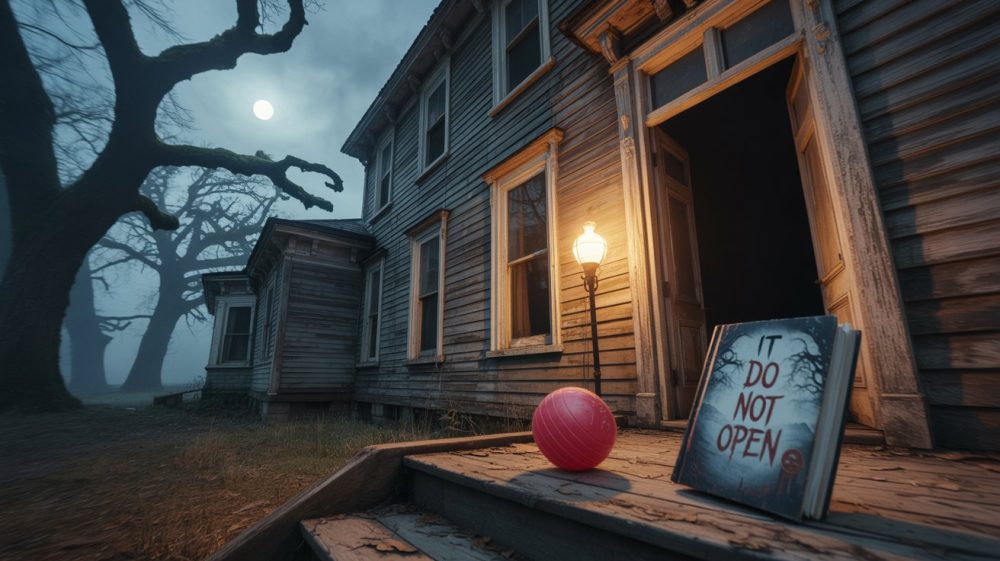
The 15 Best Early Stephen King Books
Stephen King’s early career (1974-1987) represents one of the most explosive creative periods in modern horror literature. During these 13 years, King published 15 novels that would define not just his career, but the entire horror genre for generations. From his debut Carrie to the psychological perfection of Misery, these books showcase a writer finding his voice, experimenting with different horror approaches, and ultimately creating the template that countless authors would follow. This ranking examines King’s early masterpieces by their influence on horror, lasting cultural impact, and pure storytelling power.
Understanding King’s Early Period (1974-1987)
The Foundation Years
Stephen King’s early period coincides with his rise from unknown teacher to master of horror. During this time, he established the themes, settings, and character types that would define his career: small Maine towns hiding dark secrets, ordinary people facing extraordinary evil, childhood trauma shaping adult fears, and the thin line between sanity and madness.
Creative Context and Personal Struggles
King has been open about his struggles with alcohol and cocaine addiction during much of this period, particularly from the late 1970s through the mid-1980s. While these substances were destructive to his health and family life, they coincided with an incredibly productive creative period. King himself has noted the irony that some of his most celebrated works were written while battling addiction.
Important Note: This analysis examines the correlation between King’s personal struggles and creative output purely from a literary perspective, not to glorify substance abuse. King’s own recovery and advocacy work emphasize that addiction nearly destroyed his life and career.
The Productivity Phenomenon
Between 1974 and 1987, King published:
- 15 novels
- Multiple short story collections
- Several novellas
- Books under the pseudonym Richard Bachman
This output represents roughly one major work every 10 months, a pace that seems impossible by today’s standards but was typical for King during his early career.

Step into the dark and read your FREE dark thriller

Over 100,000 downloads!
Ranking Criteria
Horror Genre Influence (1-10)
How much the book shaped modern horror:
- 1-3: Minor influence
- 4-6: Moderate impact on genre
- 7-8: Major influence on horror writing
- 9-10: Fundamentally changed horror literature
Lasting Cultural Power (1-10)
Continued relevance and recognition:
- 1-3: Remembered mainly by fans
- 4-6: Solid reputation
- 7-8: Cultural touchstone
- 9-10: Part of American cultural DNA
Pure Storytelling Quality (1-10)
Writing craft, character development, plot:
- 1-3: Rough early work
- 4-6: Good but flawed
- 7-8: Excellent storytelling
- 9-10: Perfect execution
The 15 Best Early Stephen King Books (Ranked)
Tier 1: Genre-Defining Masterpieces (Ranks 1-5)
1. The Shining (1977)
- Horror Influence: 10/10 | Cultural Power: 10/10 | Storytelling: 9/10
- Total Score: 29/30
- Why it’s #1: Perfect fusion of supernatural and psychological horror
- Genre influence: Established haunted house template for modern horror
- Cultural impact: Kubrick’s film made it globally iconic
- Storytelling strength: Gradual descent into madness perfectly paced
- Key innovation: Family dysfunction as horror source
- Legacy: Every haunted house story since owes debt to this book
2. Carrie (1974)
- Horror Influence: 10/10 | Cultural Power: 9/10 | Storytelling: 8/10
- Total Score: 27/30
- Why it’s high: King’s debut that launched modern horror boom
- Genre influence: Introduced telekinetic horror, high school setting
- Cultural impact: Multiple film adaptations, cultural shorthand for revenge
- Storytelling strength: Tight plotting, effective use of multiple documents
- Key innovation: Teenager as monster and victim simultaneously
- Legacy: Paved the way for every supernatural teen story
3. Pet Sematary (1983)
- Horror Influence: 9/10 | Cultural Power: 9/10 | Storytelling: 9/10
- Total Score: 27/30
- Why it’s high: King’s most disturbing book, explores ultimate taboo
- Genre influence: Resurrection horror taken to logical extreme
- Cultural impact: “Sometimes dead is better” became cultural catchphrase
- Storytelling strength: Relentless momentum, no easy answers
- Key innovation: Parental love as source of horror
- Legacy: Influenced every story about bringing back the dead
4. IT (1986)
- Horror Influence: 9/10 | Cultural Power: 10/10 | Storytelling: 8/10
- Total Score: 27/30
- Why it’s high: Epic scope, childhood fears made manifest
- Genre influence: Established shape-shifting monster template
- Cultural impact: Pennywise became horror icon, recent film success
- Storytelling strength: Dual timeline structure, character development
- Key innovation: Adult characters confronting childhood trauma
- Legacy: Template for every “kids vs. monster” story since
5. The Stand (1978)
- Horror Influence: 8/10 | Cultural Power: 9/10 | Storytelling: 9/10
- Total Score: 26/30
- Why it’s high: Ambitious post-apocalyptic epic
- Genre influence: Pandemic horror, good vs. evil mythology
- Cultural impact: Predicted many modern pandemic fears
- Storytelling strength: Vast cast handled expertly, compelling villain
- Key innovation: Combined horror with fantasy and social commentary
- Legacy: Blueprint for all pandemic fiction that followed
Tier 2: Essential King Classics (Ranks 6-10)
6. Misery (1987)
- Horror Influence: 8/10 | Cultural Power: 8/10 | Storytelling: 10/10
- Total Score: 26/30
- Why it’s essential: Perfect psychological thriller, flawless execution
- Genre influence: Fan-obsession horror, realistic psychological terror
- Cultural impact: Kathy Bates’s film performance, “number one fan” references
- Storytelling strength: No wasted words, perfect pacing, character depth
- Key innovation: Horror without supernatural elements
- Legacy: Gold standard for psychological captivity thrillers
7. ‘Salem’s Lot (1975)
- Horror Influence: 9/10 | Cultural Power: 8/10 | Storytelling: 8/10
- Total Score: 25/30
- Why it’s essential: Revitalized vampire fiction for modern audiences
- Genre influence: Small-town horror, vampire social commentary
- Cultural impact: Made vampires scary again after camp 1970s versions
- Storytelling strength: Atmospheric build-up, ensemble cast
- Key innovation: Vampires as plague metaphor
- Legacy: Every modern vampire story references this book
8. The Dead Zone (1979)
- Horror Influence: 7/10 | Cultural Power: 8/10 | Storytelling: 9/10
- Total Score: 24/30
- Why it’s essential: Perfect blend of supernatural and political thriller
- Genre influence: Psychic powers with moral complexity
- Cultural impact: Prescient political themes, relevant in any era
- Storytelling strength: Complex moral questions, character sympathy
- Key innovation: Precognitive abilities as curse, not gift
- Legacy: Template for psychic thriller subgenre
9. Christine (1983)
- Horror Influence: 7/10 | Cultural Power: 8/10 | Storytelling: 8/10
- Total Score: 23/30
- Why it’s essential: Unique possessed object story
- Genre influence: Car-as-monster, coming-of-age horror
- Cultural impact: Cultural references to evil cars, John Carpenter film
- Storytelling strength: Strong character development, 1950s nostalgia
- Key innovation: Inanimate object with personality and malice
- Legacy: Inspired countless evil object stories
10. Firestarter (1980)
- Horror Influence: 7/10 | Cultural Power: 7/10 | Storytelling: 8/10
- Total Score: 22/30
- Why it’s essential: Government conspiracy meets supernatural horror
- Genre influence: Child with dangerous powers, government evil
- Cultural impact: Influenced X-Files generation, conspiracy fiction
- Storytelling strength: Father-daughter relationship, action pacing
- Key innovation: Government as horror antagonist
- Legacy: Blueprint for psychic children vs. government stories
Tier 3: Strong Early Works (Ranks 11-15)
11. Cujo (1981)
- Horror Influence: 6/10 | Cultural Power: 7/10 | Storytelling: 8/10
- Total Score: 21/30
- Why it’s notable: Realistic animal horror, claustrophobic tension
- Genre influence: Rabid animal subgenre, realistic horror
- Cultural impact: “Cujo” became shorthand for dangerous dogs
- Storytelling strength: Builds tension expertly, sympathetic characters
- Personal context: Written during King’s heavy drinking period
- Legacy: Gold standard for animal attack horror
12. The Talisman (1984, with Peter Straub)
- Horror Influence: 6/10 | Cultural Power: 6/10 | Storytelling: 8/10
- Total Score: 20/30
- Why it’s notable: Successful collaboration, fantasy elements
- Genre influence: Portal fantasy horror, parallel worlds
- Cultural impact: Showed King could work with other authors
- Storytelling strength: Epic scope, detailed world-building
- Personal context: Collaborative writing helped King stay focused
- Legacy: Influenced Dark Tower series development
13. Different Seasons (1982)
- Horror Influence: 5/10 | Cultural Power: 9/10 | Storytelling: 9/10
- Total Score: 23/30
- Why it’s high despite low horror: Proved King’s versatility
- Genre influence: Minimal (not horror), but showed genre flexibility
- Cultural impact: “Shawshank Redemption” and “Stand by Me” adaptations
- Storytelling strength: Four perfect novellas, different genres
- Personal context: Written during productive period of experimentation
- Legacy: Established King as more than horror writer
14. Thinner (1984, as Richard Bachman)
- Horror Influence: 6/10 | Cultural Power: 6/10 | Storytelling: 8/10
- Total Score: 20/30
- Why it’s notable: Lean, focused horror under pseudonym
- Genre influence: Body horror, curse stories
- Cultural impact: Revealed Bachman identity, weight-loss horror
- Storytelling strength: Tight plotting, no excess
- Personal context: Bachman books reflected King’s darker impulses
- Legacy: Showed King could write concise, focused horror
15. Night Shift (1978)
- Horror Influence: 8/10 | Cultural Power: 7/10 | Storytelling: 7/10
- Total Score: 22/30
- Why it makes the list: Essential short story collection
- Genre influence: Contains multiple influential stories
- Cultural impact: Several stories became films (“Children of the Corn”)
- Storytelling strength: Variety of horror approaches, consistent quality
- Personal context: Early stories from magazine publications
- Legacy: Established King as master of short horror fiction
King’s Creative Development Timeline
Phase 1: Raw Talent (1974-1977)
Books: Carrie, ‘Salem’s Lot, The Shining Characteristics: High energy, experimenting with horror formulas Substance use: Moderate drinking, increasing over time Quality: Raw but powerful, establishing signature themes Innovation: Creating modern horror templates
Phase 2: Gaining Confidence (1978-1981)
Books: The Stand, The Dead Zone, Firestarter, Cujo Characteristics: More ambitious projects, expanding beyond pure horror Substance use: Heavy drinking, beginning cocaine use Quality: More sophisticated plotting, character development Innovation: Blending genres, social commentary
Phase 3: Peak Productivity (1982-1985)
Books: Different Seasons, Pet Sematary, Christine, Thinner, The Talisman Characteristics: Incredible output, multiple projects simultaneously Substance use: Heavy cocaine and alcohol use at peak Quality: Mixed—some masterpieces, some showing strain Innovation: Pseudonym experiments, collaborations
Phase 4: Refined Mastery (1986-1987)
Books: IT, Misery Characteristics: Combining experience with raw talent Substance use: Still heavy but beginning to recognize problems Quality: Return to top form, sophisticated and powerful Innovation: Perfecting established techniques
Productivity vs. Quality Analysis
The Cocaine Years Paradox
King’s heaviest substance abuse period (roughly 1982-1986) coincided with both his highest productivity and most uneven quality:
High Points During Peak Usage:
- Pet Sematary (1983) – Masterpiece
- IT (1986) – Epic achievement
- Different Seasons (1982) – Perfect collection
Lower Points During Same Period:
- The Tommyknockers (1987) – Widely considered weakest early work
- Some Bachman books – Variable quality
- Increasing length without proportional depth
The Creative Stimulation vs. Execution Balance
- Stimulation: Substances may have increased creative flow and confidence
- Execution: Often resulted in longer, less disciplined works
- Editing: King’s later admission he was “coked out of his mind” during some editing
- Perspective: Substances provided escape from success pressure but harmed craft
Important Context: King has extensively discussed how addiction nearly destroyed his life, family, and career. His recovery (beginning around 1987-1988) led to even greater artistic achievements and personal fulfillment.
Raw Horror vs. Refined Storytelling Development
Early Raw Horror (1974-1979)
Characteristics:
- Visceral, immediate impact
- Simple but effective plots
- Focus on scaring readers first
- Less concern with literary technique
Examples: Carrie (telekinetic revenge), ‘Salem’s Lot (vampire invasion) Strengths: Primal fear, memorable scenes Weaknesses: Sometimes crude execution, thin characterization
Developing Sophistication (1980-1983)
Characteristics:
- More complex character psychology
- Blending horror with other genres
- Social commentary integration
- Improved technical skill
Examples: The Dead Zone (political thriller), Cujo (domestic drama) Strengths: Deeper themes, better character work Weaknesses: Sometimes unfocused, pacing issues
Peak Integration (1984-1987)
Characteristics:
- Horror serving larger themes
- Masterful character development
- Multiple genre elements seamlessly blended
- Technical proficiency at highest level
Examples: IT (epic coming-of-age), Misery (psychological perfection) Strengths: Everything working in harmony Weaknesses: Occasional overindulgence in length
Step into the dark and read your FREE dark thriller
Over 100,000 downloads!
Cultural Impact and Legacy
Books That Changed Horror Forever
The Shining: Established psychological horror template Carrie: Proved horror could be literary and commercial Pet Sematary: Pushed boundaries of acceptable horror themes IT: Created template for nostalgic horror Salem’s Lot: Revitalized classic monster stories
Influence on Other Writers
King’s early works influenced entire generation of horror writers:
- Clive Barker: Pushed boundaries further after King showed what was possible
- Dean Koontz: Adopted King’s approach to ordinary people in extraordinary situations
- Peter Straub: Direct collaboration and mutual influence
- Modern YA Horror: Teenage protagonists facing supernatural threats
Film and Television Impact
Almost every King book from this period became film or TV adaptation:
- Major Films: The Shining, Carrie, Pet Sematary, IT, Misery
- Cultural Icons: Pennywise, Jack Torrance, Carrie White
- Ongoing Adaptations: New versions continue being made
Reading Order Recommendations
For New King Readers:
- Carrie – Start where King started
- ‘Salem’s Lot – Classic monster story
- The Shining – Masterpiece of psychological horror
- Pet Sematary – If you can handle King at his darkest
- IT – Epic reward for dedicated readers
For Horror Fans:
- Pet Sematary – King’s most disturbing
- The Shining – Psychological perfection
- IT – Childhood fears made manifest
- ‘Salem’s Lot – Vampire classic
- Misery – Realistic horror
For Literary Readers:
- Different Seasons – Proves King’s range
- The Dead Zone – Political thriller elements
- Misery – Perfect psychological study
- The Stand – Epic scope and ambition
- The Shining – Complex family dynamics
Frequently Asked Questions
Q: Which early Stephen King book is the scariest? A: Pet Sematary is widely considered King’s most disturbing book. King himself said it might be too scary to publish. The Shining and IT are also genuinely frightening.
Q: Are King’s early books better than his later works? A: It’s subjective, but many fans consider the 1974-1987 period his creative peak. However, books like 11/22/63 and The Institute show he continued producing excellent work.
Q: Did Stephen King’s drug use affect his writing quality? A: King has said substances helped him access creativity but harmed his judgment and editing. Some great books were written during heavy use, but his best work came after recovery.
Q: Which early King book should I avoid as a beginner? A: The Stand might be too long for newcomers, and Pet Sematary too disturbing. Start with Carrie or The Shining instead.
Q: Are any vampire novels similar to Salem’s Lot? A: Try Storberry by Dan Padavona. In this creepy horror novel set in the 1980s, Padavona revitalizes the vampire mythos and moves the genre away from sparkling romance novels.
Q: Are the Bachman books worth reading? A: Yes, especially Thinner and The Running Man. They show King’s darker, more cynical side and influenced works like The Hunger Games.
Q: Why is The Shining movie so different from the book? A: Kubrick made significant changes, focusing more on Jack’s madness and less on the hotel’s supernatural history. King famously dislikes the adaptation.
Q: How did King write so many books so quickly? A: King wrote every day, often working on multiple projects. He’s described writing as his job, not just when inspiration struck. Substance use may have increased his confidence and output.
Q: Which King book has the best movie adaptation? A: Misery (1990) is widely considered the most faithful and effective adaptation. The Shawshank Redemption (from Different Seasons) is the most acclaimed film based on King’s work.
The Enduring Power of King’s Early Masterpieces
Stephen King’s early period (1974-1987) represents one of the most influential stretches in modern literature. These 15 books didn’t just establish King’s career—they fundamentally changed how we think about horror, created templates that writers still follow today, and proved that genre fiction could be both popular and literary.
The correlation between King’s personal struggles and creative output during this period offers a complex lesson about art and addiction. While substances may have provided escape and confidence during a high-pressure time, King’s own recovery journey and continued excellence prove that lasting creative achievement comes from discipline, craft, and personal growth rather than artificial stimulation.
What makes these early works endure isn’t just their ability to scare readers (though they certainly do that), but their deeper exploration of human nature, family dynamics, social issues, and the thin line between sanity and madness. King understood that the most effective horror comes from recognizable human emotions—love, fear, guilt, desire—pushed to extremes.
Whether you’re discovering King for the first time or revisiting these classics, his early masterpieces remain as powerful today as when they were first published. They remind us why Stephen King became the undisputed Master of Horror and why, nearly 50 years after Carrie, readers around the world still turn to his books when they want to be scared, moved, and thoroughly entertained.
These 15 books represent more than just great horror stories—they’re the foundation of modern popular fiction and proof that genre writing, at its best, can explore the deepest truths about human nature while keeping readers up all night, afraid to turn off the lights.