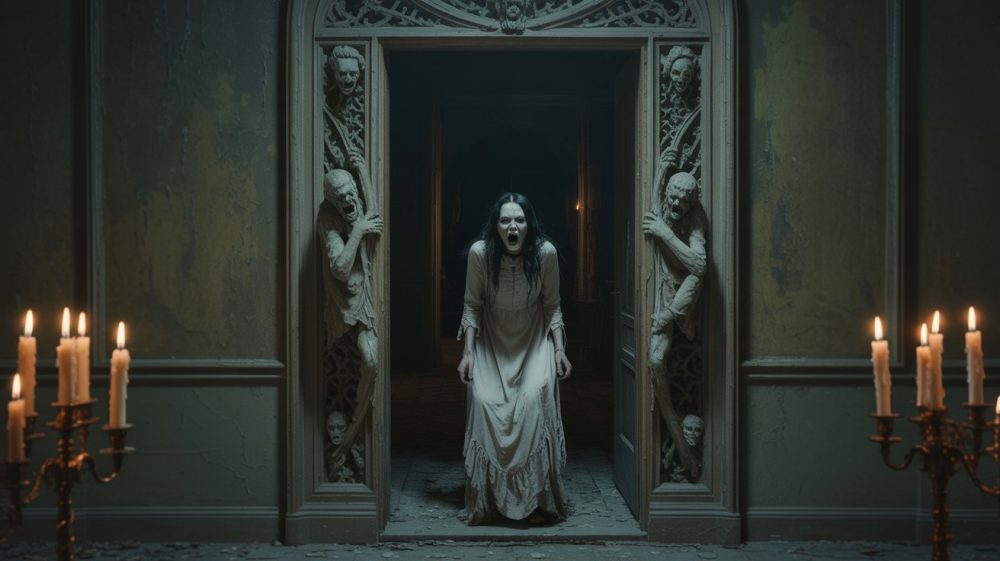
The 15 Best Clive Barker Dark Horror Books
The ultimate guide to Clive Barker’s most terrifying works, ranked by darkness and impact
Clive Barker changed horror forever. Known as the “Master of Horror,” he creates stories that go far beyond simple scares. His books blend body horror, mind-bending terror, and deep spiritual themes. This guide ranks his 15 darkest works and helps you choose your next nightmare.
Understanding Barker’s Horror Types
Before diving into the rankings, let’s break down Barker’s three main horror styles:
Body Horror: Graphic physical transformation and gore. Think flesh being reshaped, bodies twisted into new forms.
Psychological Horror: Mental terror that makes you question reality. Characters lose their grip on what’s real.
Metaphysical Horror: Spiritual and cosmic terror involving other dimensions, gods, and the nature of existence itself.
The Barker Intensity Scale
We rate each book on a 1-10 scale:
- 1-3: Mild horror, good for beginners
- 4-6: Moderate terror with some graphic content
- 7-8: Intense horror with disturbing imagery
- 9-10: Maximum darkness, not for the faint of heart
Newcomer Accessibility Ratings
- ★★★: Perfect starting point
- ★★: Good second book after trying Barker
- ★: Read only after experiencing his style

Step into the dark and read your FREE dark thriller

Over 100,000 downloads!
The Rankings: Barker’s Peak Darkness Period (1984-1991)
Barker’s most terrifying period ran from 1984 to 1991. During these seven years, he wrote his darkest and most influential works. Here are his 15 most hellish masterpieces:
1. The Books of Blood, Volumes 1-6 (1984-1985)
Horror Type: All three types combined
Intensity: 9/10
Newcomer Rating: ★★
These six collections contain 30 short stories that launched Barker’s career. Stephen King called them “the future of horror fiction.” Each volume gets progressively darker.
Why it’s #1: Perfect introduction to all of Barker’s themes. Stories range from visceral body horror to reality-bending psychological terror.
Best stories: “The Midnight Meat Train,” “In the Hills, the Cities,” “Rawhead Rex”
What makes it dark: Graphic violence, disturbing transformations, and characters who discover terrible truths about reality.
2. The Hellbound Heart (1986)
Horror Type: Body + Metaphysical Horror
Intensity: 10/10
Newcomer Rating: ★★
The novella that inspired the Hellraiser movies. A puzzle box opens doorways to dimensions where pain and pleasure become one.
Why it’s #2: Pure concentrated terror in under 200 pages. Introduces the Cenobites, Barker’s most famous creations.
What makes it dark: Extreme sadomasochism, body modification as spiritual experience, characters who choose suffering.
3. Weaveworld (1987)
Horror Type: Metaphysical + Psychological Horror
Intensity: 8/10
Newcomer Rating: ★★★
A magical world hidden in a carpet becomes the center of an epic battle between wonder and destruction.
Why it’s #3: Barker’s longest work balances beautiful fantasy with genuine terror. Shows his range beyond pure horror.
What makes it dark: Genocidal themes, loss of innocence, the price of magic and wonder.
4. The Damnation Game (1985)
Horror Type: Psychological + Metaphysical Horror
Intensity: 9/10
Newcomer Rating: ★★
A bodyguard protects a wealthy man who made a deal with a supernatural entity. The bill comes due in blood.
Why it’s #4: Barker’s first novel shows his ability to sustain terror over 400+ pages. Explores themes of addiction and moral corruption.
What makes it dark: Graphic torture, moral degradation, characters trapped by their own choices.
5. The Great and Secret Show (1989)
Horror Type: All three types
Intensity: 8/10
Newcomer Rating: ★
First book in the Art trilogy. Two postal workers discover humanity’s hidden magical history and become godlike enemies.
Why it’s #5: Ambitious scope covering decades and dimensions. Barker at his most imaginative and disturbing.
What makes it dark: Reality-warping powers, children caught in cosmic battles, the corruption of small-town America.
6. Cabal (1988)
Horror Type: Body + Psychological Horror
Intensity: 9/10
Newcomer Rating: ★★
A man believes he’s a serial killer and seeks refuge with the Nightbreed, monsters living beneath a cemetery.
Why it’s #6: Questions who the real monsters are. Inspired Barker’s movie “Nightbreed.”
What makes it dark: Graphic violence, identity confusion, the thin line between human and monster.
7. In the Flesh (1986)
Horror Type: Body Horror
Intensity: 10/10
Newcomer Rating: ★
Collection of four novellas including “The Life of Death” and “The Age of Desire.”
Why it’s #7: Shows Barker’s mastery of the novella form. Each story pushes different boundaries.
What makes it dark: Extreme body transformation, necrophilia themes, characters who embrace their darkest desires.
8. Imajica (1991)
Horror Type: Metaphysical + Psychological Horror
Intensity: 7/10
Newcomer Rating: ★
Epic fantasy-horror spanning five dimensions. A painting restorer becomes key to reuniting separated worlds.
Why it’s #8: Barker’s most ambitious work. Over 800 pages of world-building and cosmic terror.
What makes it dark: Religious blasphemy, gender transformation, the cost of cosmic knowledge.
9. The Inhuman Condition (1986)
Horror Type: Psychological + Body Horror
Intensity: 8/10
Newcomer Rating: ★★
Four novellas exploring human transformation and the price of desire.
Why it’s #9: Tight, focused horror that shows Barker’s range within shorter formats.
What makes it dark: Mental breakdown, physical mutation, characters who lose their humanity piece by piece.
10. Everville (1994)
Horror Type: Metaphysical Horror
Intensity: 6/10
Newcomer Rating: ★
Second book in the Art trilogy. The town of Everville becomes a battleground between realities.
Why it’s #10: Continues the ambitious scope of “The Great and Secret Show” but with more focus on character development.
What makes it dark: Reality invasion, loss of free will, the price of seeing behind the veil of normal life.
11. The Thief of Always (1992)
Horror Type: Psychological Horror
Intensity: 4/10
Newcomer Rating: ★★★
A children’s book that adults find deeply unsettling. A boy visits a house where every day is perfect.
Why it’s #11: Proves Barker can create terror without graphic content. Deceptively simple story with deep themes.
What makes it dark: Loss of childhood, the price of easy happiness, time as a prison.
12. Galilee (1998)
Horror Type: Psychological + Metaphysical Horror
Intensity: 5/10
Newcomer Rating: ★★
Gothic family saga spanning generations. Two powerful families’ fates intertwine through love and hatred.
Why it’s #12: Shows Barker moving toward literary fiction while keeping horror elements.
What makes it dark: Family curses, forbidden love, the weight of history and bloodline.
13. Sacrament (1996)
Horror Type: Psychological Horror
Intensity: 6/10
Newcomer Rating: ★★
A wildlife photographer confronts his past and his connection to a mysterious figure from his childhood.
Why it’s #13: More subtle than early Barker, focusing on character psychology over graphic horror.
What makes it dark: Childhood trauma, sexual identity confusion, the price of artistic vision.
14. Coldheart Canyon (2001)
Horror Type: Psychological + Metaphysical Horror
Intensity: 7/10
Newcomer Rating: ★★
Hollywood horror about an aging actor who discovers a house where the past never dies.
Why it’s #14: Return to more graphic content after his literary period. Critique of Hollywood culture.
What makes it dark: Celebrity obsession, eternal punishment, the corruption of fame and beauty.
15. Mister B. Gone (2007)
Horror Type: Psychological Horror
Intensity: 5/10
Newcomer Rating: ★★★
A demon trapped in a book speaks directly to the reader, begging to be released.
Why it’s #15: Experimental format that breaks the fourth wall. Light horror compared to early works.
What makes it dark: Manipulation of the reader, questions about the nature of evil, meta-horror elements.
Step into the dark and read your FREE dark thriller
Over 100,000 downloads!
FAQ: Common Questions About Reading Barker
Q: Where should I start with Clive Barker? A: Begin with “Books of Blood Volume 1” or “The Thief of Always” if you want something less intense.
Q: Which book is the scariest? A: “The Hellbound Heart” for pure terror, “Books of Blood” for variety of fears.
Q: Are the movies as good as the books? A: The books are always better, but “Hellraiser” and “Candyman” are solid adaptations.
Q: How graphic is Barker’s content? A: Very graphic in his early period (1984-1991). Later works focus more on psychological horror.
Q: What makes Barker different from other horror writers? A: He combines extreme gore with beautiful prose and deep philosophical themes.
Q: Can I skip the longer books? A: Start with short stories and novellas. If you love those, try the longer works.
Reading Order Recommendations
For Beginners:
- The Thief of Always
- Books of Blood Volume 1
- The Hellbound Heart
For Horror Veterans:
- Books of Blood (all volumes)
- The Damnation Game
- Weaveworld
For the Brave:
- In the Flesh
- Cabal
- The Great and Secret Show
Conclusion: Why Barker Matters
Clive Barker didn’t just write horror – he reimagined it. His peak period from 1984-1991 produced works that still influence writers today. He showed that horror could be beautiful, philosophical, and transformative while remaining absolutely terrifying.
Whether you’re drawn to his brutal body horror, mind-bending psychological terror, or cosmic metaphysical themes, Barker offers something to haunt your dreams. Start with the books rated for newcomers, then work your way deeper into his dark imagination.
Remember: once you open Barker’s puzzle box of horror, there’s no going back. The experience will change you forever – and that’s exactly what great horror should do.
Sweet dreams, and welcome to Barker’s world.