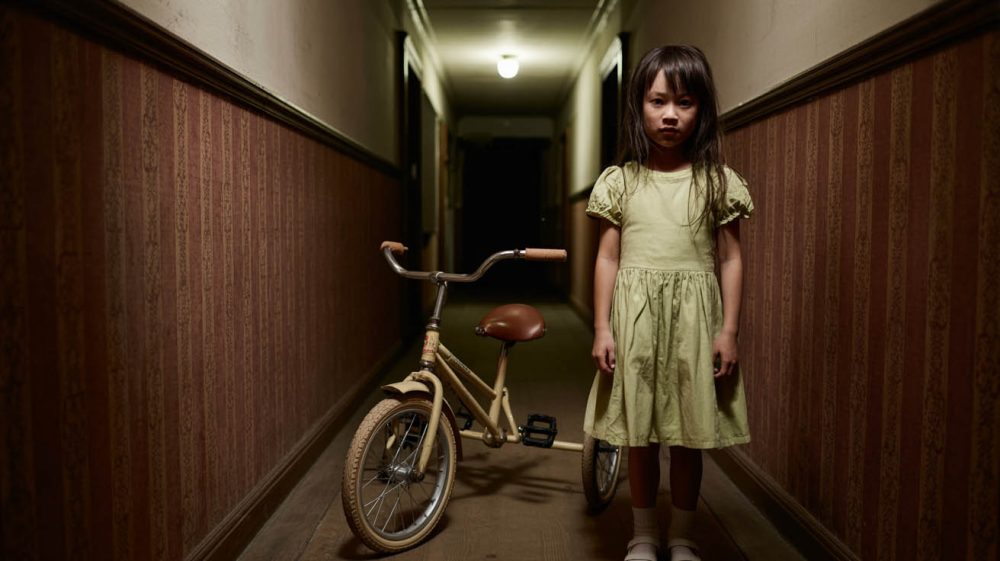
The Top Thriller Horror Books of All Time
Looking for books that will keep you awake at night? Thriller horror combines the best of both genres – the page-turning suspense of thrillers with the spine-tingling fear of horror. These books don’t just scare you; they pull you into stories so gripping you can’t put them down even when your heart is racing.
We’ve ranked the 25 greatest thriller horror books based on their lasting impact, critical acclaim, influence on other writers, and pure ability to terrify readers across generations.
What Makes a Great Thriller Horror Book?
Perfect Genre Balance
The best thriller horror books seamlessly blend suspenseful plotting with genuinely frightening elements, creating stories that are both exciting and terrifying.
Compelling Characters
Great horror needs characters readers care about. When we’re invested in the protagonists, their danger becomes our fear.
Psychological Depth
The most effective thriller horror explores the human psyche, showing how fear affects people and what drives both heroes and villains.
Lasting Impact
These books stay with readers long after the final page, creating memories and images that resurface unexpectedly.
Technical Excellence
Superior writing, plotting, and pacing separate masterpieces from merely good scary stories.

Step into the dark and read your FREE suspense thriller

Over 100,000 downloads!
How We Ranked These Books
Critical Recognition
Books praised by literary critics and horror experts earned higher rankings.
Cultural Impact
Stories that influenced other writers, movies, and popular culture received additional consideration.
Reader Response
Books with consistently positive reader reviews and devoted followings ranked higher.
Innovation
Authors who created new approaches to thriller horror or perfected existing techniques earned recognition.
Staying Power
Books that remain frightening and relevant decades after publication demonstrate true quality.
Recommended Reading for Killer Thriller fans: Dark Water Cove
The Top 25 Thriller Horror Books of All Time
1. The Silence of the Lambs by Thomas Harris (1988)
Why it’s #1: The perfect fusion of psychological thriller and horror, featuring one of literature’s most terrifying villains in Hannibal Lecter.
What makes it special: Harris combines FBI procedural accuracy with psychological horror, creating a story that’s both intellectually engaging and genuinely frightening.
Fear factor: Psychological terror and the claustrophobic feeling of being trapped with a brilliant psychopath.
Best for: Readers who enjoy psychological complexity with their scares.
Similar to: Red Dragon, Mindhunter
2. The Exorcist by William Peter Blatty (1971)
Why it’s #2: The gold standard for supernatural horror, this book terrified readers and changed how people thought about demonic possession.
What makes it special: Blatty’s careful buildup from medical mystery to supernatural terror, combined with deep religious themes.
Fear factor: Religious horror, child endangerment, and the helplessness of adults facing evil beyond their understanding.
Best for: Readers who enjoy supernatural horror with religious themes.
Similar to: Rosemary’s Baby, The Omen
3. The Shining by Stephen King (1977)
Why it’s #3: King’s masterpiece of isolation horror shows how ordinary people can become monsters under the right circumstances.
What makes it special: The Overlook Hotel becomes a character itself, and King’s exploration of domestic violence and addiction adds depth.
Fear factor: Claustrophobic isolation, supernatural presence, and the terror of family members becoming dangerous.
Best for: Readers who like psychological horror with supernatural elements.
Similar to: Pet Sematary, The Haunting of Hill House
4. Psycho by Robert Bloch (1959)
Why it’s #4: This groundbreaking novel introduced the world to Norman Bates and helped define the psychological thriller genre.
What makes it special: Bloch’s understanding of abnormal psychology creates a villain who’s both terrifying and tragically human.
Fear factor: The unpredictability of mental illness and the horror of seemingly normal people hiding dark secrets.
Best for: Readers interested in psychological horror and crime thriller crossover.
Similar to: The Strange Case of Dr. Jekyll and Mr. Hyde, American Psycho
5. Rosemary’s Baby by Ira Levin (1967)
Why it’s #5: A masterclass in paranoid horror that makes readers question reality along with the protagonist.
What makes it special: Levin builds terror through uncertainty – is Rosemary paranoid or actually surrounded by Satanists?
Fear factor: Pregnancy horror, conspiracy paranoia, and the violation of trust and safety.
Best for: Readers who enjoy subtle, psychological horror with social commentary.
Similar to: The Stepford Wives, The Turn of the Screw
6. The Haunting of Hill House by Shirley Jackson (1959)
Why it’s #6: Jackson’s prose creates an atmosphere of dread that many consider the finest ghost story ever written.
What makes it special: The ambiguity between supernatural events and psychological breakdown creates lasting unease.
Fear factor: Atmospheric terror, psychological uncertainty, and the gradual dissolution of sanity.
Best for: Readers who appreciate literary horror with psychological depth.
Similar to: We Have Always Lived in the Castle, The Turn of the Screw
7. Red Dragon by Thomas Harris (1981)
Why it’s #7: The book that introduced Hannibal Lecter combines serial killer investigation with psychological horror.
What makes it special: Harris’s research into FBI profiling creates authenticity that enhances the horror elements.
Fear factor: Serial killer methodology, psychological profiling, and the idea that evil can be studied and understood.
Best for: Readers who enjoy police procedural elements with their horror.
Similar to: The Silence of the Lambs, Kiss the Girls
8. Something Wicked This Way Comes by Ray Bradbury (1962)
Why it’s #8: Bradbury’s dark fantasy creates childhood terror that resonates with adults, exploring themes of temptation and growing up.
What makes it special: Beautiful prose combined with genuinely frightening imagery of a supernatural carnival.
Fear factor: Childhood vulnerability, supernatural temptation, and the loss of innocence.
Best for: Readers who enjoy literary horror with coming-of-age themes.
Similar to: The October Country, Carnival of Souls
9. Pet Sematary by Stephen King (1983)
Why it’s #9: King’s exploration of grief and the lengths parents will go to protect their children creates profound emotional horror.
What makes it special: The book examines universal fears about death, loss, and the supernatural consequences of trying to cheat death.
Fear factor: Parental terror, death of children, and supernatural resurrection with horrifying consequences.
Best for: Readers who can handle emotionally intense horror about family and loss.
Similar to: The Monkey’s Paw, Frankenstein
10. The Turn of the Screw by Henry James (1898)
Why it’s #10: This classic ghost story’s ambiguous narrative leaves readers uncertain about what’s real, creating lasting unease.
What makes it special: James’s unreliable narrator creates mystery about whether events are supernatural or psychological.
Fear factor: Child endangerment, ghostly apparitions, and the uncertainty of the narrator’s mental state.
Best for: Readers who enjoy classic literature with psychological ambiguity.
Similar to: The Haunting of Hill House, The Little Stranger
11. Interview with the Vampire by Anne Rice (1976)
Why it’s #11: Rice reinvented vampire fiction, creating sympathetic monsters and exploring themes of immortality and moral corruption.
What makes it special: The first-person narrative makes readers sympathize with the vampire perspective while maintaining horror elements.
Fear factor: Seductive evil, moral corruption, and the horror of eternal existence without redemption.
Best for: Readers who enjoy gothic horror with romantic elements.
Similar to: Dracula, The Vampire Chronicles
12. World War Z by Max Brooks (2006)
Why it’s #12: Brooks creates a realistic zombie apocalypse through documentary-style storytelling that feels terrifyingly plausible.
What makes it special: The oral history format provides global perspective on catastrophe while maintaining individual human stories.
Fear factor: Societal collapse, survival horror, and the breakdown of civilization.
Best for: Readers who enjoy post-apocalyptic horror with social commentary.
Similar to: The Stand, The Walking Dead
13. The Strange Case of Dr. Jekyll and Mr. Hyde by Robert Louis Stevenson (1886)
Why it’s #13: This classic explores the duality of human nature and the horror of losing control of one’s darker impulses.
What makes it special: Stevenson’s psychological insight into human nature remains relevant, and the story works as both horror and social commentary.
Fear factor: Loss of self-control, hidden evil nature, and the horror of transformation.
Best for: Readers interested in classic literature with psychological themes.
Similar to: The Picture of Dorian Gray, Psycho
14. The Stand by Stephen King (1978)
Why it’s #14: King’s epic combines pandemic horror with supernatural elements and social commentary about good versus evil.
What makes it special: The massive scope allows King to explore how society might rebuild after apocalyptic destruction.
Fear factor: Pandemic terror, societal collapse, and supernatural evil threatening humanity’s survival.
Best for: Readers who enjoy long, complex narratives with multiple characters and storylines.
Similar to: Swan Song, The Road
15. Frankenstein by Mary Shelley (1818)
Why it’s #15: The original science fiction horror novel that questions the ethics of scientific advancement and creation of life.
What makes it special: Shelley’s exploration of responsibility, creation, and what makes us human remains relevant today.
Fear factor: Scientific horror, responsibility for creating evil, and the terror of being pursued by one’s own creation.
Best for: Readers interested in classic literature with philosophical themes.
Similar to: The Island of Dr. Moreau, Jurassic Park

16. The Ritual by Adam Nevill (2011)
Why it’s #16: Modern folk horror that combines ancient evil with contemporary characters in a terrifying forest setting.
What makes it special: Nevill’s atmospheric writing creates claustrophobic forest terror while exploring friendship and regret.
Fear factor: Isolation horror, ancient evil, and the breakdown of civilized behavior under extreme stress.
Best for: Readers who enjoy atmospheric horror with outdoor/wilderness settings.
Similar to: The Blair Witch Project, Annihilation
17. Hell House by Richard Matheson (1971)
Why it’s #17: The ultimate haunted house story that influenced countless later works in the subgenre.
What makes it special: Matheson combines scientific investigation with supernatural horror, creating believable characters facing unbelievable terror.
Fear factor: Haunted house terror, supernatural violence, and the psychological effects of encountering pure evil.
Best for: Readers who love classic haunted house stories with scientific elements.
Similar to: The Haunting of Hill House, The Amityville Horror
18. The Other by Thomas Tryon (1971)
Why it’s #18: This psychological horror novel about twins combines family secrets with supernatural elements and shocking revelations.
What makes it special: Tryon’s gradual revelation of the truth creates mounting dread and a memorable twist ending.
Fear factor: Child horror, family secrets, and the terror of discovering the truth about someone you love.
Best for: Readers who enjoy psychological horror with family dynamics.
Similar to: The Good Son, We Need to Talk About Kevin
19. Ghost Story by Peter Straub (1979)
Why it’s #19: A complex tale of guilt, revenge, and supernatural justice that showcases Straub’s literary horror expertise.
What makes it special: Multiple timelines and perspectives create a rich, complex narrative that rewards careful reading.
Fear factor: Guilt and retribution, supernatural revenge, and the horror of past sins returning.
Best for: Readers who enjoy complex, literary horror with multiple storylines.
Similar to: The Talisman, Floating Dragon
20. Let the Right One In by John Ajvide Lindqvist (2004)
Why it’s #20: Swedish horror that reinvents vampire fiction through the relationship between a bullied boy and a child vampire.
What makes it special: Lindqvist combines coming-of-age themes with vampire horror, creating both terror and emotional depth.
Fear factor: Childhood vulnerability, vampire horror, and the moral complexity of befriending a monster.
Best for: Readers who enjoy international horror with emotional depth.
Similar to: Interview with the Vampire, The Girl Next Door
21. The Blackwater Lightship by Colm Tóibín (1999)
Why it’s #21: While primarily literary fiction, this book’s exploration of family secrets and death creates psychological horror elements.
What makes it special: Tóibín’s beautiful prose examines how families deal with crisis and hidden truths.
Fear factor: Family dysfunction, secrets revealed, and the horror of confronting uncomfortable truths.
Best for: Readers who prefer subtle, psychological horror in literary fiction.
Similar to: We Need to Talk About Kevin, Sharp Objects
22. Bird Box by Josh Malerman (2014)
Why it’s #22: Post-apocalyptic horror that creates terror through what characters cannot see rather than what they can.
What makes it special: The constraint of blindness creates unique tension and forces readers to imagine the horror.
Fear factor: Sensory deprivation, unknown threats, and parental protection in dangerous circumstances.
Best for: Readers who enjoy post-apocalyptic horror with unique constraints.
Similar to: The Road, A Quiet Place
23. The Fisherman by John Langan (2016)
Why it’s #23: Cosmic horror that combines personal grief with Lovecraftian themes in a contemporary setting.
What makes it special: Langan’s literary approach to cosmic horror creates both emotional resonance and existential dread.
Fear factor: Cosmic horror, grief processing, and the insignificance of humanity in the face of ancient evil.
Best for: Readers who enjoy literary horror with Lovecraftian themes.
Similar to: The Call of Cthulhu, Annihilation
24. Mexican Gothic by Silvia Moreno-Garcia (2020)
Why it’s #24: Gothic horror set in 1950s Mexico that combines family secrets with supernatural fungal horror.
What makes it special: Moreno-Garcia brings fresh cultural perspective to gothic horror while addressing colonialism and eugenics.
Fear factor: Body horror, mind control, and the violation of personal autonomy.
Best for: Readers who enjoy gothic horror with cultural and historical elements.
Similar to: Crimson Peak, The Little Stranger
25. The Road by Cormac McCarthy (2006)
Why it’s #25: Post-apocalyptic literary horror that examines human nature when civilization collapses.
What makes it special: McCarthy’s spare prose creates devastating emotional impact while showing humanity’s capacity for both good and evil.
Fear factor: Societal collapse, survival horror, and the lengths people go to protect those they love.
Best for: Readers who enjoy literary horror with philosophical depth.
Similar to: The Stand, Blood Meridian
Understanding Thriller Horror Subgenres
Psychological Horror
Focuses on mental states, unreliable narrators, and the terror of losing one’s mind.
- Examples: The Haunting of Hill House, Rosemary’s Baby
- Best for: Readers who prefer subtle, mind-based scares
Supernatural Horror
Features ghosts, demons, vampires, or other otherworldly threats.
- Examples: The Exorcist, Interview with the Vampire
- Best for: Readers who enjoy traditional monster stories
Body Horror
Emphasizes physical transformation, disease, or bodily violation.
- Examples: The Fly, Annihilation
- Best for: Readers comfortable with graphic physical descriptions
Cosmic Horror
Explores humanity’s insignificance in the face of incomprehensible universe.
- Examples: The Call of Cthulhu, The Fisherman
- Best for: Readers who enjoy philosophical existential dread
Folk Horror
Uses rural settings and ancient beliefs to create atmospheric terror.
- Examples: The Ritual, The Wicker Man
- Best for: Readers who enjoy atmospheric, cultural horror
How to Choose Your Next Thriller Horror Read
Consider Your Fear Tolerance
Start with psychological horror if you’re sensitive to graphic content, or dive into body horror if you want intense physical scares.
Think About Setting Preferences
Do you prefer haunted houses, post-apocalyptic wastelands, or contemporary urban settings?
Decide on Length
Some readers prefer short, intense scares while others enjoy long, complex narratives that build dread slowly.
Check Publication Era
Classic horror offers timeless themes, while modern horror often incorporates contemporary fears and technology.
Read Author Backgrounds
Some authors specialize in particular types of horror – knowing their style helps set expectations.
Start with Highly Rated Books
Our top 10 are excellent entry points that represent the best the genre offers.
Reading Strategies for Maximum Impact
Set the Right Atmosphere
Read in dim lighting, preferably at night, to enhance the mood.
Avoid Distractions
Turn off phones and notifications to maintain immersion in the story.
Read Actively
Pay attention to foreshadowing and subtle details that build dread.
Take Breaks if Needed
It’s okay to pause if the content becomes overwhelming.
Discuss with Others
Sharing reactions and theories enhances the reading experience.
Follow Up with Analysis
Reading reviews and analysis after finishing can deepen appreciation.
Common Themes in Great Thriller Horror
The Corruption of Innocence
Many great horror stories show how evil can corrupt or destroy innocence.
Family Dysfunction
Dysfunctional family relationships create vulnerability and emotional stakes.
Isolation and Helplessness
Characters trapped in remote locations or impossible situations create claustrophobic terror.
The Unknown and Unknowable
Fear of the mysterious and incomprehensible drives much effective horror.
Moral Ambiguity
The best horror explores gray areas where right and wrong become unclear.
Death and Mortality
Confronting death and what might come after creates existential terror.
Building Your Horror Library
Start with the Classics
Books 1-10 on our list represent essential reading that influenced everything that followed.
Explore Different Eras
Mix classic horror with contemporary works to understand genre evolution.
Try International Authors
Horror from different cultures offers fresh perspectives and new types of scares.
Include Various Subgenres
Don’t limit yourself to one type of horror – variety keeps the genre fresh.
Follow Award Winners
Bram Stoker Awards, World Fantasy Awards, and other honors identify quality books.
Join Horror Communities
Online forums and book clubs provide recommendations and discussion opportunities.
The Evolution of Thriller Horror
Gothic Origins (1760s-1840s)
Early horror emphasized atmosphere, ancient settings, and supernatural elements.
Psychological Development (1890s-1920s)
Authors began exploring the human mind and internal sources of horror.
Modern Innovation (1950s-1980s)
Writers combined traditional horror with contemporary settings and social commentary.
Contemporary Sophistication (1990s-Present)
Current horror incorporates diverse perspectives, complex themes, and literary techniques.
Future Directions
Horror continues evolving to address modern fears like technology, climate change, and social inequality.
Why These Books Endure
Universal Fears
Great horror taps into fears shared across cultures and time periods.
Quality Writing
Superior prose, characterization, and plotting separate lasting works from temporary scares.
Cultural Relevance
Books that comment on their times while addressing universal themes remain relevant.
Emotional Resonance
Stories that create genuine emotional investment in characters and outcomes stay with readers.
Technical Innovation
Authors who advance the genre through new techniques or approaches influence future writers.
Final Thoughts: The Power of Fear
These 25 thriller horror masterpieces represent the best of a genre that explores humanity’s darkest fears while celebrating our capacity for courage, love, and survival. In these books, you’ll encounter the most terrifying human and supernatural monsters. They remind us that fear can be transformative, helping us understand ourselves and our world more deeply.
Great thriller horror does more than scare – it illuminates truth about human nature, society, and the universe we inhabit. These books prove that genre fiction can be just as meaningful and lasting as any literature.
Whether you’re seeking your first horror novel or your hundredth, this list offers entry points for every reader. From psychological subtlety to supernatural spectacle, from classic gothic to modern innovation, these books demonstrate why thriller horror remains one of literature’s most powerful and enduring genres.