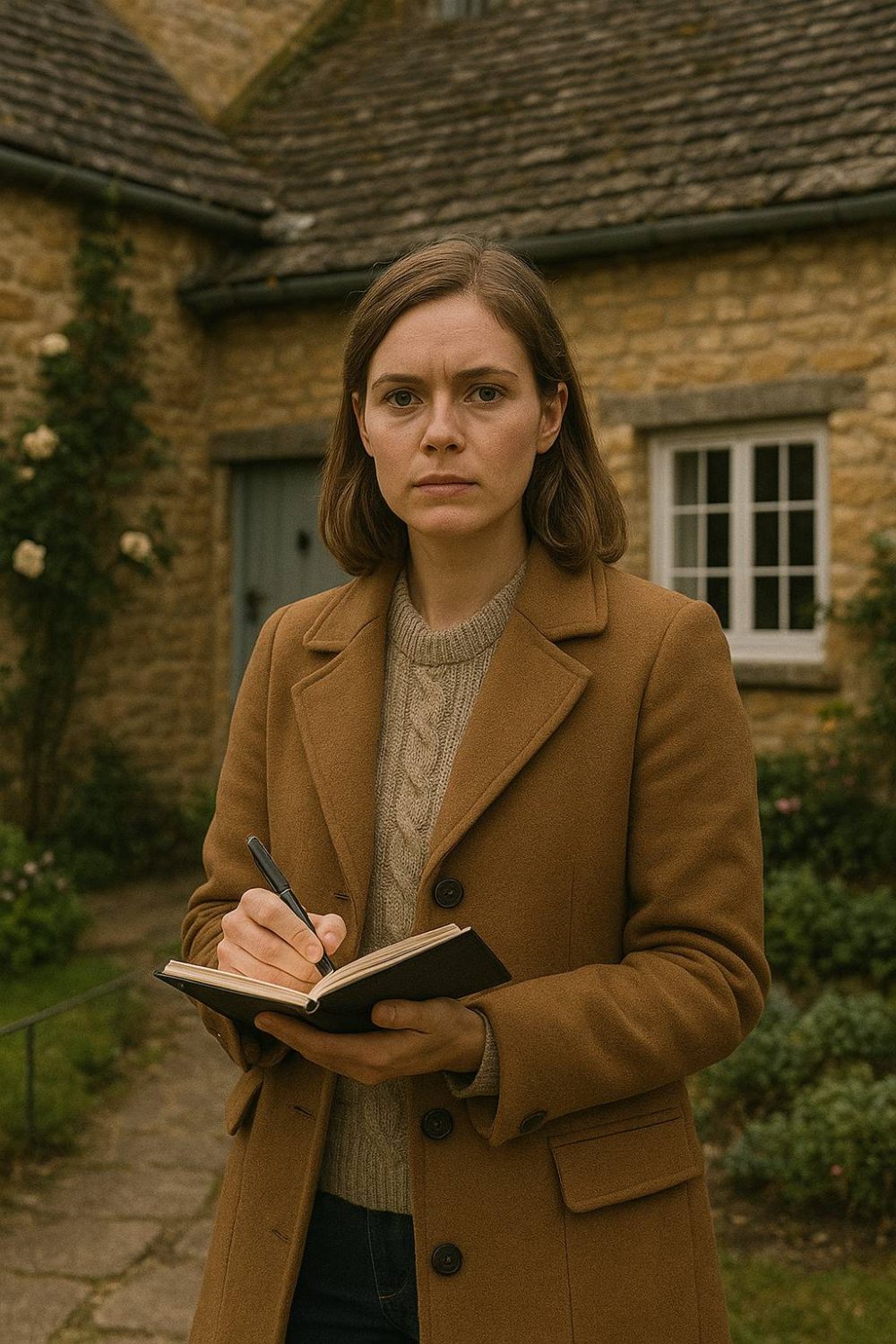
Our Favorite English Village Murder Mystery Books
English village murder mysteries have a special charm that no other setting can match. Picture rolling hills, ancient churches, cozy pubs, and secrets that go back generations. Then add murder.
These books combine the comfort of small community life with the thrill of solving crimes. Everyone knows everyone else’s business, which makes finding killers both easier and harder at the same time.
This guide explores the best English village murder mysteries available today. We’ll help you find series that capture the perfect blend of rural charm and deadly secrets.
What Makes English Village Mysteries Special?
English village mysteries offer something unique in crime fiction that keeps readers coming back.
Close-knit communities. In villages of 500-2,000 people, everyone has history with everyone else. The murderer is never a stranger.
Layers of history. English villages have centuries of secrets. Current murders often connect to events from decades or generations past.
Social hierarchies. From the lord of the manor to the village postman, everyone has a specific place in the community. Crime often disrupts these careful social arrangements.
Beautiful settings. Rolling countryside, stone cottages, and ancient churches create atmospheric backdrops for murder and investigation.
Cozy atmosphere. These books focus on puzzle-solving rather than graphic violence. The murders happen, but the emphasis is on figuring out who and why.
Amateur detectives. Village murders are often solved by locals rather than professional police. The vicar, the retired teacher, or the village busybody becomes the detective.

Step into the dark and read your FREE psychological thriller

Over 100,000 downloads!
Classic Village Mystery Series
These established series helped define what English village mysteries could be.
Caroline Graham’s Midsomer Murders
Chief Inspector Barnaby series – Set in the fictional county of Midsomer, these books inspired the long-running TV series.
Start with: “The Killings at Badger’s Drift” (1987)
What makes it special: Graham created the template for modern village mysteries. Her books balance humor with genuine mystery plotting.
Village dynamics: Each book explores different fictional villages within Midsomer, showing various types of rural communities.
Character types: Features recurring characters like the dedicated detective, helpful locals, and suspicious villagers.
Why readers love it: The books feel like visiting real English villages, complete with local customs and community tensions.
Martha Grimes’ Richard Jury Series
Inspector Richard Jury – While Jury works for Scotland Yard, many cases take him to English villages.
Village standouts: “The Man with a Load of Mischief” (1981), “The Old Fox Deceiv’d” (1982)
Unique element: Grimes is American but captures English village life perfectly through extensive research and genuine affection for the setting.
Pub settings: Many books center around village pubs, which serve as community gathering places where secrets get shared.
Local characters: Features memorable village residents who help solve crimes while dealing with their own personal dramas.
Recommended Reading: The Scout Mourning Mystery Series
Ann Granger’s Mitchell & Markby Series
Inspector Alan Markby and Meredith Mitchell – A detective and a foreign office worker who solve village crimes together.
Start with: “Say It with Poison” (1991)
Cotswolds setting: Set in fictional villages in the Cotswolds, capturing the beauty and social complexity of the region.
Romance element: The slow-building relationship between the main characters adds warmth to the mysteries.
Social observation: Granger excels at showing how modern changes affect traditional village life.
Community focus: Each book explores different aspects of village society, from parish councils to local businesses.
Contemporary Village Mystery Authors
Modern writers are bringing fresh perspectives to the traditional English village mystery.
Faith Martin’s Village Mystery Series
DI Hillary Greene series – Set in Oxfordshire villages, featuring a detective who knows rural communities well.
Why it works: Martin understands that villages aren’t always peaceful. Her books show realistic social tensions alongside beautiful countryside.
Local knowledge: The detective’s familiarity with village ways helps her solve crimes that might puzzle outsiders.
Modern issues: Recent books address contemporary problems affecting rural communities like housing costs and economic changes.
Series strength: Long-running series allows deep exploration of recurring characters and village development.
Simon Brett’s Fethering Mysteries
Carole Seddon and Jude – Two women in the fictional seaside village of Fethering solve murders while navigating friendship and village politics.
Start with: “The Body on the Beach” (2000)
Coastal setting: Fethering is a seaside village, offering different atmosphere from traditional countryside mysteries.
Female friendship: The relationship between the two amateur detectives drives character development throughout the series.
Humor: Brett brings gentle humor to village life without making fun of rural communities.
Social commentary: The books explore how newcomers fit into established village communities.
Rebecca Tope’s Cotswold Mysteries
Thea Osborne series – A house-sitter who encounters murders in different Cotswolds villages.
Unique premise: Thea’s house-sitting job means each book features a different village, allowing exploration of various community types.
Dog companion: Thea’s dog often plays a role in discoveries, adding charm to the investigations.
Local history: Many mysteries connect to local historical events or family secrets spanning generations.
Realistic villages: Tope captures authentic details of Cotswolds village life, from local dialects to seasonal celebrations.
Village Mysteries with Historical Elements
These books combine traditional village settings with historical depth.
Jeanne M. Dams’ Dorothy Martin Series
Dorothy Martin – An American widow living in an English cathedral town who solves local mysteries.
Cultural perspective: Dorothy’s outsider status helps her see things locals might miss, while her genuine love for England wins over villagers.
Cathedral setting: The fictional town of Sherebury combines village atmosphere with cathedral town sophistication.
Historical connections: Many mysteries involve local history, from medieval events to more recent wartime secrets.
Community integration: The series shows how Dorothy gradually becomes accepted by the local community.
Veronica Heley’s Ellie Quicke Series
Ellie Quicke – A widow in West London who gets involved in neighborhood mysteries that often extend to nearby villages.
Church connections: Many plots involve church communities and religious organizations in village settings.
Social issues: Heley addresses contemporary problems affecting church and village communities.
Character growth: Ellie develops from uncertain widow to confident amateur detective over the course of the series.
Community service: The books show how village volunteers and church workers often become involved in local mysteries.
Hazel Holt’s Mrs. Malory Series
Sheila Malory – A widow and retired teacher in the fictional Devon seaside town of Taviscombe.
Literary connections: Mrs. Malory is researching a biography, which often leads her into mysterious situations.
Devon setting: Captures the atmosphere of Southwest England coastal communities.
Gentle pace: The books focus on character and community rather than fast-paced action.
Literary references: Holt weaves literary allusions throughout the mysteries, appealing to readers who enjoy cultural references.
Village Mysteries with Unique Detectives
These series feature unusual protagonists who bring fresh perspectives to village crime solving.
Betty Rowlands’ Melissa Craig Series
Melissa Craig – A crime novelist living in the Cotswolds who gets involved in real murders.
Meta element: A mystery writer solving real mysteries adds interesting layers to the plotting.
Writer’s perspective: Melissa’s professional knowledge of crime fiction helps her analyze real cases.
Cotswolds authenticity: Rowlands captures genuine details of Cotswolds village life and social dynamics.
Publishing world: Some books explore the mystery publishing industry alongside village murder plots.
Susan Moody’s Penny Wanawake Series
Penny Wanawake – A photographer of mixed heritage who encounters mysteries while working in English villages.
Photography angle: Penny’s work gives her access to village events and private moments where murders occur.
Cultural perspective: Her mixed background provides interesting viewpoints on traditional English village society.
Art world connections: Some mysteries involve the art world and collectors who frequent rural areas.
Travel element: Penny’s work takes her to various villages, allowing exploration of different rural communities.
Catherine Aird’s Inspector Sloan Series
Inspector C.D. Sloan – A police detective who specializes in rural crime in the fictional county of Calleshire.
Police procedural elements: Combines traditional village mystery atmosphere with realistic police work.
Local knowledge: Sloan understands village dynamics well enough to solve crimes that might puzzle urban detectives.
Traditional values: Aird’s books celebrate traditional English values while acknowledging social changes.
Humor: Gentle humor throughout the series makes the murders more palatable without trivializing crime.
Newer Voices in Village Mysteries
Recent authors are bringing contemporary perspectives to traditional village mystery settings.
Frances Evesham’s Ham Hill Murder Mysteries
Libby Forest – A baker who moves to a Somerset village and gets involved in local mysteries.
Food element: Baking and local food culture play important roles in community life and mystery solving.
Newcomer perspective: Libby’s status as a village newcomer provides fresh eyes on established community dynamics.
Local traditions: The books explore traditional Somerset customs and how they affect modern village life.
Community integration: Shows the challenges and rewards of joining an established village community.
Joy Ellis’s Jackman & Evans Series
DI Rowan Jackman and DS Marie Evans – Police detectives who often work cases in Lincolnshire villages.
Professional partnership: The detective team brings both expertise and local knowledge to village investigations.
Atmospheric settings: Ellis captures the unique atmosphere of Lincolnshire countryside and communities.
Modern policing: Shows how contemporary police methods work in traditional village settings.
Social issues: Addresses current problems affecting rural communities while maintaining mystery focus.
Pauline Rowson’s Art Marvik Mysteries
Art Marvik – A former Royal Marines commando who investigates maritime mysteries often connected to coastal villages.
Military background: Marvik’s training provides unique skills for solving complex cases.
Coastal focus: Many cases involve seaside villages and maritime communities.
Action elements: More adventure-oriented than traditional cozy mysteries while maintaining village atmosphere.
Historical connections: Cases often involve wartime secrets or maritime history.
What to Expect from Village Mysteries
Understanding common elements helps you choose books that match your preferences.
Typical Plot Elements
Local knowledge matters. Solutions often depend on understanding village history, family connections, or local customs.
Multiple suspects. In small communities, many people have motives and opportunities.
Hidden relationships. Family connections, old romances, and business partnerships complicate investigations.
Community secrets. Villages often protect shared secrets that affect multiple residents.
Outsider vs. insider. Detectives must navigate being either part of the community or separate from it.
Character Types You’ll Meet
The village busybody. Usually female, knows everyone’s business and either helps or hinders the investigation.
The local lord or squire. Traditional authority figure whose family may have secrets dating back generations.
The pub landlord. Often serves as community information center and unofficial counselor.
The parish priest. May be traditional village vicar or modern community leader, usually morally complex.
The newcomer. Recent arrival to village whose different perspective either causes problems or helps solve them.
The local police. Usually sympathetic to village ways but sometimes frustrated by community loyalty.
Village Settings and Their Characteristics
Cotswolds villages. Picture-perfect stone cottages, tourism pressures, expensive housing.
Yorkshire Dales communities. Farming focus, harsh weather, traditional ways clashing with modern life.
Devon and Cornwall villages. Coastal influences, tourism seasons, maritime traditions.
Home Counties villages. Close to London, commuter influences, mixture of rural and suburban elements.
East Anglian communities. Flat landscapes, agricultural traditions, sometimes isolated feeling.
Step into the dark and read your FREE psychological thriller
Over 100,000 downloads!
How to Choose Your Next Village Mystery
With so many series available, here’s how to find books that match your interests.
Consider Your Preferred Detective Type
Professional police: Try Catherine Aird’s Inspector Sloan or Joy Ellis’s detective teams.
Amateur sleuths: Choose series like Simon Brett’s Fethering mysteries or Rebecca Tope’s house-sitter.
Specialists: Consider detectives with unique backgrounds like Pauline Rowson’s military investigator.
Writing professionals: Authors like Betty Rowlands feature mystery writers as detectives.
Think About Setting Preferences
Classic Cotswolds: Ann Granger and Rebecca Tope offer authentic Cotswolds atmosphere.
Seaside villages: Simon Brett and Hazel Holt provide coastal community mysteries.
Multiple locations: Series like Caroline Graham’s Midsomer books explore various village types.
Specific regions: Choose authors who specialize in areas that interest you geographically.
Consider Series Length and Commitment
Long-established series: Authors like Martha Grimes and Caroline Graham offer extensive backlists.
Newer series: Recent authors provide fresh perspectives but fewer books to binge-read.
Completed series: Some finished series offer complete story arcs without ongoing commitments.
Active series: Current authors continue publishing new books regularly.
What Makes a Great Village Mystery
The best books in this genre share certain qualities that make them especially satisfying.
Authentic atmosphere. Great authors capture genuine details of village life without romanticizing or mocking rural communities.
Complex characters. Village residents should feel like real people with believable motivations and relationships.
Fair play plotting. Readers should be able to solve mysteries using clues provided throughout the story.
Community dynamics. The best books show how village social structures affect both crime and investigation.
Respectful tone. Good village mysteries celebrate rural life while acknowledging its challenges and complexities.
Satisfying resolution. Solutions should feel logical and provide appropriate justice for crimes committed.
The Social Aspects of Village Mysteries
These books often serve as social commentary about rural English life.
Tradition vs. change. Many mysteries explore tensions between traditional village ways and modern pressures.
Class relationships. English village mysteries often examine how different social classes interact and conflict.
Economic pressures. Contemporary books address how economic changes affect village life and stability.
Newcomer integration. Many series explore how outsiders join established communities and change village dynamics.
Generational differences. Conflicts between older and younger village residents often drive mystery plots.
Building Your Village Mystery Library
Start with classics. Caroline Graham and Martha Grimes established many conventions that later authors follow.
Explore different regions. Try authors who specialize in various parts of England for geographical variety.
Mix detective types. Read both amateur sleuth and professional police series for different perspectives.
Consider publication dates. Older books capture different eras of village life, while newer ones address contemporary issues.
Follow recommendations. Online communities and book blogs often suggest similar authors and series.
Why Village Mysteries Remain Popular
These books continue to attract readers for several important reasons.
Nostalgic appeal. They offer escape to simpler times and places, even though the simplicity is often illusion.
Puzzle satisfaction. The closed-community setting makes mysteries feel solvable and fair to readers.
Character relationships. Long-running series allow deep exploration of character development and community evolution.
Cultural preservation. They document traditional English rural life and customs for future generations.
Comfort reading. The familiar settings and conventions provide reliable comfort during stressful times.
Social observation. They explore universal themes of community, belonging, and human nature through specific cultural lens.
The Future of Village Mysteries
This genre continues to evolve while maintaining its essential appeal.
Diverse perspectives. New authors bring different backgrounds and viewpoints to traditional village settings.
Contemporary issues. Modern books address current challenges like climate change, technology, and economic inequality.
Global influence. Authors from other countries create village mysteries inspired by English traditions.
Media adaptations. Television success continues to introduce new readers to village mystery books.
Genre blending. Some authors combine village mysteries with other genres like historical fiction or supernatural elements.
Your Perfect Village Mystery Awaits
English village murder mysteries offer a unique combination of comfort and excitement that no other crime fiction subgenre can match. Whether you prefer the classic approach of established authors or the fresh perspectives of contemporary writers, you’ll find series that transport you to charming rural communities where murder disrupts the peace.
These books provide more than entertainment. They offer insights into English culture, community dynamics, and human nature. They show how traditional ways of life adapt to modern pressures while maintaining essential characteristics that make village life appealing.
Start with any author from this guide who writes about settings or detective types that interest you. Try the first book in a series to see if you connect with the characters and atmosphere. If you enjoy it, you’ll have many more books to explore in that particular village or region.
The best part about village mysteries is that each series creates its own world with recurring characters you’ll come to know like neighbors. You’ll look forward to visiting these fictional communities regularly and catching up with familiar faces while solving new mysteries.
Whether you’re drawn to the rolling hills of the Cotswolds, the rugged beauty of Yorkshire, or the coastal charm of Devon villages, your perfect English village mystery is waiting to welcome you home.