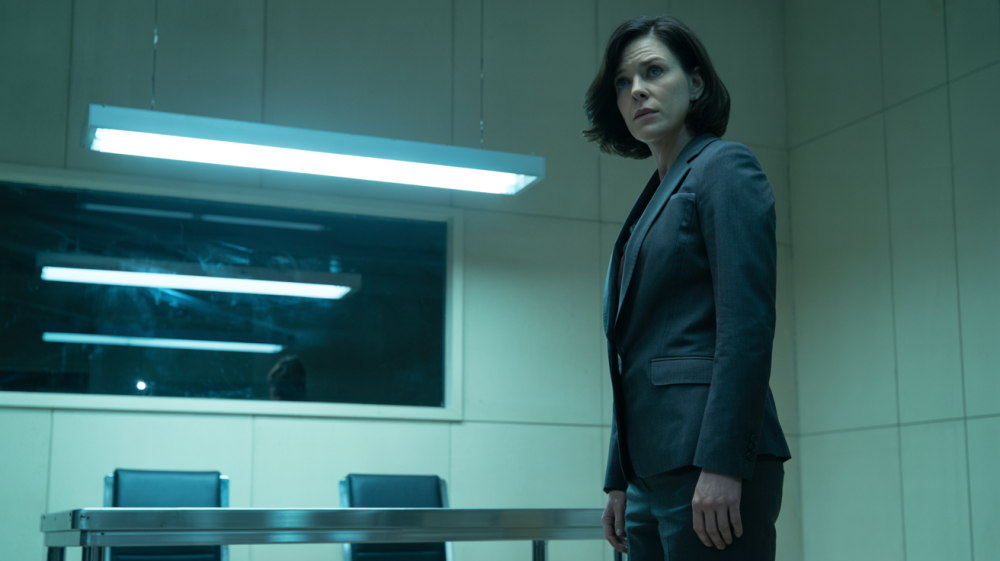
Serial Killer Books vs. TV Shows
Love binge-watching Dexter, Mindhunter, and Criminal Minds but want even deeper dives into criminal psychology? Yeah, us too. Books offer what TV can’t: unlimited time to explore character psychology, detailed criminal analysis, and the kind of complex storytelling that doesn’t have to fit into episode formats.
The best serial killer books provide the same psychological intrigue as your favorite shows while offering richer character development, more complex cases, and educational insights that will enhance your understanding of the criminal mind.
Why TV Show Fans Should Read Serial Killer Books
Deeper Character Psychology
Books can explore the internal thoughts and motivations of both killers and investigators in ways that visual media can’t match.
More Complex Cases
Literature allows for intricate, multi-layered investigations that develop over hundreds of pages rather than 42-minute episodes.
Educational Value
Many serial killer books are written by former FBI agents, psychologists, or extensively researched authors who provide authentic insights.
No Time Constraints
Authors can develop storylines and character relationships without the pacing limitations of television production.
Richer Detail
Books can include forensic procedures, psychological analysis, and investigative techniques in much greater depth.
Series Longevity
Book series often run much longer than TV shows, providing years of character development and case evolution.

Step into the dark and read your FREE psychological thriller

Over 100,000 downloads!
Popular TV Shows vs. Their Book Equivalents
Dexter vs. Dexter Book Series
TV Show: Likeable serial killer who targets other murderers Books: Darker, more complex exploration of psychopathy and moral ambiguity Key Difference: Books are more psychologically disturbing and philosophically complex
Mindhunter vs. John Douglas Books
TV Show: FBI agents developing criminal profiling in the 1970s-80s Books: Actual memoirs by the real FBI profiler who inspired the show Key Difference: Books provide real cases and authentic FBI procedures
Criminal Minds vs. FBI Profiler Fiction
TV Show: BAU team solving cases through behavioral analysis Books: More realistic timelines and deeper exploration of profiling psychology Key Difference: Books show the emotional toll and slower pace of real profiling work
Hannibal vs. Thomas Harris Novels
TV Show: Stylized, artistic interpretation of Hannibal Lecter Books: Original psychological horror that established the character Key Difference: Books focus more on psychological realism than visual aesthetics
How We Ranked These Book Recommendations
Show Similarity (25%)
How closely books match the themes, characters, and appeal of popular TV shows.
Character Development (25%)
Depth of protagonist development and psychological complexity.
Authenticity (20%)
Realistic portrayal of criminal psychology and investigation procedures.
Educational Value (15%)
How much readers learn about real criminal behavior and investigation techniques.
Entertainment Factor (15%)
Page-turning quality and ability to engage readers who love crime TV.
Comparison Chart: TV Shows vs. Book Recommendations
| TV Show | Book Recommendation | Author | Similarity Level | Psychological Depth | Authenticity | Educational Value |
|---|---|---|---|---|---|---|
| Dexter | American Psycho | Bret Easton Ellis | High | Very High | Medium | Medium |
| Mindhunter | Mindhunter | John Douglas | Very High | High | Very High | Very High |
| Criminal Minds | The Silence of the Lambs | Thomas Harris | High | Very High | High | High |
| Hannibal | Red Dragon | Thomas Harris | Very High | Very High | High | High |
| You | You | Caroline Kepnes | Very High | High | Medium | Medium |
| The Following | The Poet | Michael Connelly | Medium | High | Very High | High |
| True Detective | In the Woods | Tana French | Medium | Very High | High | Medium |
| The Fall | Sharp Objects | Gillian Flynn | Medium | Very High | Medium | Low |
| Luther | Mo Hayder Series | Mo Hayder | High | High | High | Medium |
| Sherlock | The Devil in the White City | Erik Larson | Low | High | Very High | Very High |
| Killing Eve | Villanelle Series | Luke Jennings | Very High | High | Medium | Low |
| Mare of Easttown | The Outsider | Stephen King | Low | High | Medium | Low |
Top 15 Book Recommendations for Serial Killer TV Show Fans
1. Mindhunter by John Douglas and Mark Olshaker
Show Similarity: 10/10 | Character Development: 8/10 | Authenticity: 10/10
Perfect for: Mindhunter fans who want the real story behind the show
Why it’s #1: Written by the actual FBI agent who created modern criminal profiling and inspired the Netflix series.
What the show adapted: Many cases, characters, and even dialogue come directly from this book and its sequels.
What books add: Real FBI procedures, actual case details, and authentic insights into criminal psychology development.
Educational value: Learn the true science behind profiling and how the FBI’s Behavioral Science Unit actually developed.
Series continuation: Multiple books by Douglas provide extensive real case studies and profiling evolution.
Best for: Fans who want to understand the real foundation behind fictional profiling shows.
Next reads: The Cases That Haunt Us, Journey into Darkness
2. The Silence of the Lambs by Thomas Harris
Show Similarity: 9/10 | Character Development: 10/10 | Authenticity: 9/10
Perfect for: Criminal Minds and Hannibal fans
Why it’s #2: The book that established modern FBI profiler fiction and created literature’s most famous criminal psychologist.
TV connections: Influenced Criminal Minds, Hannibal, and countless other profiler shows.
Character depth: Hannibal Lecter and Clarice Starling’s psychological complexity exceeds any TV adaptation.
Educational elements: Realistic FBI training and profiling techniques woven throughout the thriller plot.
Cultural impact: Defined public understanding of criminal profiling and influenced all subsequent crime TV.
Psychological accuracy: Harris’s research into criminal psychology creates authentic character behavior.
Best for: Fans of intellectual psychological thrillers with authentic FBI elements.
Next reads: Red Dragon, Hannibal
3. You by Caroline Kepnes
Show Similarity: 10/10 | Character Development: 9/10 | Authenticity: 7/10
Perfect for: You TV show fans and Dexter viewers
Why it’s #3: The book that became Netflix’s You offers even more disturbing psychological insight into stalker behavior.
TV adaptation: Netflix series follows book closely but books provide more internal psychology.
Narrative style: Second-person narration makes readers complicit in Joe’s stalking behavior.
Modern relevance: Explores social media stalking and contemporary dating culture in depth.
Psychological realism: Joe’s justifications and thought patterns feel disturbingly authentic.
Social commentary: Critiques modern technology’s role in enabling predatory behavior.
Best for: Fans of psychological thrillers with contemporary settings and unreliable narrators.
Next reads: Hidden Bodies, You Love Me
4. American Psycho by Bret Easton Ellis
Show Similarity: 8/10 | Character Development: 10/10 | Authenticity: 6/10
Perfect for: Dexter fans who want darker psychological exploration
Why it’s #4: The ultimate exploration of a functioning psychopath hiding in plain sight among corporate culture.
Dexter connections: Like Dexter, Patrick Bateman appears normal while harboring murderous impulses.
Social commentary: Uses serial killer psychology to critique 1980s materialism and corporate culture.
Psychological depth: Unprecedented dive into psychopathic thinking and consumer culture obsession.
Controversial content: More graphic and disturbing than most TV shows, requiring mature readers.
Literary significance: Considered a masterpiece of contemporary American literature.
Best for: Mature readers who appreciate social criticism through psychological horror.
Content warning: Extremely graphic violence and disturbing psychological content.
5. Red Dragon by Thomas Harris
Show Similarity: 9/10 | Character Development: 9/10 | Authenticity: 9/10
Perfect for: Hannibal and Criminal Minds fans
Why it’s #5: The first Hannibal Lecter novel shows Will Graham’s profiling abilities and introduces the most famous fictional criminal psychologist.
TV adaptations: Inspired both Hannibal TV series and multiple films with varying interpretations.
Profiling focus: Will Graham’s ability to understand killers mirrors Criminal Minds team approach.
Character psychology: Explores how profiling affects investigators’ mental health and personal lives.
Criminal analysis: Francis Dolarhyde’s psychology is as complex as any TV show unsub.
FBI authenticity: Realistic portrayal of federal investigation procedures and behavioral analysis.
Best for: Fans who want the original source material for modern profiler entertainment.
Next reads: The Silence of the Lambs, Hannibal Rising
6. The Poet by Michael Connelly
Show Similarity: 8/10 | Character Development: 8/10 | Authenticity: 9/10
Perfect for: Criminal Minds and The Following fans
Why it’s #6: FBI behavioral analysts work with local detective to catch serial killer targeting police officers.
TV similarities: Team approach to profiling and multi-agency cooperation like Criminal Minds.
Author credibility: Connelly’s journalism background ensures authentic police procedures and realistic characters.
Serial killer focus: Methodical investigation of pattern killer with complex psychological motivations.
Character relationships: Realistic professional partnerships between federal and local law enforcement.
Investigation realism: Shows actual pace and methods of serial killer investigations.
Best for: Readers who want realistic police work with authentic FBI cooperation.
Next reads: The Black Echo, Blood Work
7. Sharp Objects by Gillian Flynn
Show Similarity: 7/10 | Character Development: 10/10 | Authenticity: 6/10
Perfect for: The Fall and Mare of Easttown fans
Why it’s #7: Dark psychological thriller about family dysfunction, small-town secrets, and the psychology of violence.
TV connections: Similar atmosphere to character-driven crime dramas focusing on damaged investigators.
Psychological complexity: Camille’s self-destructive behavior and family trauma create complex protagonist.
Small-town secrets: Community dysfunction and hidden violence mirror many crime TV storylines.
Family psychology: Explores how childhood trauma creates both victims and perpetrators.
Atmospheric writing: Flynn’s prose creates the same dark mood as the best crime television.
Best for: Fans of psychological crime dramas with complex female protagonists.
Next reads: Gone Girl, Dark Places
8. In the Woods by Tana French
Show Similarity: 7/10 | Character Development: 10/10 | Authenticity: 8/10
Perfect for: True Detective and Broadchurch fans
Why it’s #8: Atmospheric mystery combining cold case investigation with psychological exploration of trauma and memory.
TV similarities: Literary approach to crime similar to True Detective’s philosophical depth.
Character psychology: Detective Rob Ryan’s repressed memories and psychological damage drive the investigation.
Atmospheric writing: Beautiful prose creates the same immersive mood as the best crime television.
Irish setting: Dublin Murder Squad provides international perspective on police procedural work.
Memory themes: Questions about reliability of memory and childhood trauma’s lasting effects.
Best for: Fans of literary crime drama with psychological depth and beautiful writing.
Next reads: The Likeness, Faithful Place
9. The Devil in the White City by Erik Larson
Show Similarity: 6/10 | Character Development: 8/10 | Authenticity: 10/10
Perfect for: Mindhunter and American Horror Story fans
Why it’s #9: True crime narrative about H.H. Holmes and the 1893 Chicago World’s Fair reads like thriller fiction.
Historical context: Shows early American serial killing during the country’s transition to modernity.
Dual narrative: Alternates between fair construction and Holmes’s murder spree for compelling storytelling.
Educational value: Teaches American history while exploring early documented psychopathic behavior.
Research depth: Years of archival research create the most accurate portrayal possible.
Cultural significance: Holmes represents early American serial killer studied through historical records.
Best for: True crime fans and readers interested in American history with criminal psychology.
Next reads: In the Garden of Beasts, Dead Wake
10. Kiss the Girls by James Patterson
Show Similarity: 8/10 | Character Development: 7/10 | Authenticity: 6/10
Perfect for: Criminal Minds and NCIS fans
Why it’s #10: Alex Cross uses psychological profiling to hunt serial killers while dealing with personal stakes.
TV connections: Fast-paced action and psychological analysis similar to procedural crime shows.
Series longevity: Long-running Alex Cross series provides years of character development.
Psychological elements: Cross’s psychology background enhances his investigative abilities.
Personal involvement: Cases become emotionally meaningful, adding stakes beyond professional duty.
Accessible writing: Patterson’s style makes complex psychology accessible to wide audiences.
Best for: Fans of fast-paced procedural shows who want similarly engaging books.
Next reads: Along Came a Spider, Jack & Jill
11. The Killing Season by Mason Cross
Show Similarity: 7/10 | Character Development: 7/10 | Authenticity: 7/10
Perfect for: The Killing and Luther fans
Why it’s #11: Dark procedural following detective investigating series of connected murders with personal implications.
TV atmosphere: Similar dark, moody tone to Nordic noir and British crime television.
Character focus: Detective’s personal life and psychological state central to investigation process.
Serial investigation: Multi-victim case requiring pattern recognition and psychological analysis.
International flavor: Non-American perspective on serial killer investigation and police work.
Procedural realism: Authentic police work combined with psychological character development.
Best for: Fans of international crime television with dark atmospheric elements.
Next reads: The Samaritan, The Time to Kill
12. The Stranger Beside Me by Ann Rule
Show Similarity: 6/10 | Character Development: 7/10 | Authenticity: 10/10
Perfect for: Mindhunter and Dahmer fans
Why it’s #12: True crime account by woman who worked alongside Ted Bundy without knowing his true nature.
Personal perspective: Rule’s personal relationship with Bundy provides unique insider view of psychopathy.
Educational value: Shows how serial killers can appear completely normal and charming.
Historical significance: Important document in understanding and recognizing psychopathic behavior.
Psychology insights: Explores how intelligent psychopaths manipulate and deceive everyone around them.
True crime classic: Considered one of the most important serial killer books ever written.
Best for: True crime fans who want to understand how serial killers hide in plain sight.
Next reads: Small Sacrifices, Green River Running Red
13. Darkly Dreaming Dexter by Jeff Lindsay
Show Similarity: 10/10 | Character Development: 8/10 | Authenticity: 5/10
Perfect for: Dexter TV show fans
Why it’s #13: The original Dexter novel that inspired the beloved TV series about a likeable serial killer.
TV adaptation: Showtime series expanded and modified book plots while maintaining core character.
Dark humor: Lindsay’s writing captures Dexter’s sardonic voice and moral philosophy.
Psychological exploration: Books delve deeper into Dexter’s psychology and childhood trauma.
Vigilante themes: Explores moral questions about killing killers and justice versus revenge.
Series development: Multiple books continue Dexter’s story beyond television adaptation.
Best for: Dexter fans who want more of their favorite anti-hero’s adventures.
Next reads: Dearly Devoted Dexter, Dexter in the Dark
14. Villanelle Series by Luke Jennings
Show Similarity: 9/10 | Character Development: 7/10 | Authenticity: 5/10
Perfect for: Killing Eve fans
Why it’s #14: The novellas that inspired BBC’s Killing Eve, featuring assassin Villanelle and agent Eve Polastri.
TV adaptation: BBC series expanded and developed characters from Jennings’ original stories.
Character dynamics: Cat-and-mouse relationship between assassin and investigator drives both plot and character development.
International intrigue: Espionage elements combined with serial killer psychology create unique thriller blend.
Psychological games: Mental manipulation and attraction between hunter and hunted.
Action elements: More fast-paced and action-oriented than typical serial killer fiction.
Best for: Killing Eve fans who want more of Villanelle and Eve’s complex relationship.
Next reads: Killing Eve series continuation
15. The Outsider by Stephen King
Show Similarity: 6/10 | Character Development: 8/10 | Authenticity: 5/10
Perfect for: True Detective and Stranger Things fans
Why it’s #15: King blends police procedural with supernatural horror in investigation of seemingly impossible crime.
Supernatural elements: Adds horror and fantasy elements to traditional criminal investigation.
Character ensemble: Multiple perspectives and character types working together on complex case.
Small-town setting: King’s trademark small-town atmosphere with dark secrets and community dynamics.
Genre blending: Combines criminal investigation with supernatural thriller elements.
King’s expertise: Master storyteller’s approach to character development and atmospheric tension.
Best for: Fans who enjoy supernatural elements in their crime stories.
Next reads: If It Bleeds, Holly
What Books Offer That TV Shows Can’t
Internal Monologue
Books can show exactly what characters are thinking, providing insights into criminal psychology that visual media can’t match.
Unlimited Time
Authors aren’t constrained by episode lengths or seasonal arcs, allowing for more complex character and plot development.
Educational Detail
Books can include extensive information about real criminal psychology, FBI procedures, and investigative techniques.
Multiple Perspectives
Literature can easily shift between different viewpoints, showing cases from various angles and character experiences.
Deeper Research
Authors often spend years researching their subjects, providing more authentic and detailed information than TV production schedules allow.
Personal Pacing
Readers can take time to absorb complex psychological concepts and return to important passages for better understanding.
Step into the dark and read your FREE psychological thriller
Over 100,000 downloads!
What TV Shows Do Better Than Books
Visual Impact
Crime scenes, character expressions, and atmospheric elements can be more immediately impactful in visual media.
Casting and Performance
Great actors can bring depth and charisma to characters that enhance the source material.
Music and Sound
Audio elements create mood and tension that books must achieve through description alone.
Immediate Accessibility
TV shows require less time investment and are easier to consume casually than books.
Social Experience
Watching shows with others or discussing episodes creates community experiences around the content.
Production Values
High-quality television can create immersive worlds and realistic settings that surpass many readers’ imaginations.
Reading Strategies for TV Show Fans
Start with Familiar
Begin with books that inspired your favorite shows to understand the source material and see how adaptations changed elements.
Try Similar Themes
If you love shows about profiling, try profiling books; if you enjoy vigilante killers, seek books with similar themes.
Mix Fiction and Non-Fiction
Combine entertaining novels with true crime and professional memoirs for comprehensive understanding.
Consider Pacing Differences
Books often develop more slowly than TV shows – be patient with character development and plot progression.
Join Reading Communities
Online groups of crime fiction fans provide recommendations and discussion opportunities.
Use Audiobooks
Some readers find audiobooks easier to absorb, especially when transitioning from visual to written media.
Building Your Crime Reading Collection
Author Research
Look for writers with law enforcement, psychology, or journalism backgrounds for authentic details.
Series Commitment
Many crime series improve over time as authors develop characters and expertise.
Mixed Approaches
Include both realistic procedurals and more stylized psychological thrillers for variety.
Educational Balance
Mix entertaining fiction with informative non-fiction for comprehensive learning.
International Perspectives
Crime fiction from different countries offers varied approaches to investigation and criminal psychology.
Time Period Variety
Historical crime fiction provides context for how criminal investigation and psychology have evolved.
Understanding Criminal Psychology Through Reading
Behavioral Analysis
Books can explain the psychological principles behind criminal profiling in much greater detail than TV shows.
Case Studies
Real case examples in non-fiction provide concrete illustrations of criminal psychology principles.
Investigator Psychology
Learn about the mental toll of studying violent crime and how investigators cope with psychological demands.
Social Context
Books often explore how social, economic, and cultural factors contribute to criminal behavior.
Prevention Insights
Understanding criminal psychology can help readers recognize warning signs and protective factors.
Academic Perspectives
Many crime books incorporate academic research and psychological theories for deeper understanding.
The Future of Crime Entertainment
Book Adaptations
More crime novels are being adapted for television, creating opportunities for readers to see favorite books visualized.
Interactive Elements
Some publishers are experimenting with digital books that include video, audio, and interactive elements.
Podcast Connections
Many crime authors now host podcasts or appear on true crime shows, extending their expertise beyond books.
Academic Partnerships
Crime writers increasingly collaborate with universities and law enforcement for research and authenticity.
Global Perspectives
International crime fiction continues growing, offering diverse cultural approaches to criminal psychology.
Technology Integration
Modern crime fiction incorporates current technology while classic books provide historical perspective.
Final Thoughts: Beyond the Screen
Serial killer books offer TV show fans the opportunity to dive deeper into criminal psychology than any visual medium can provide. These books prove that the most compelling aspects of crime entertainment – the psychological insight, character development, and investigative detail – often work even better on the page than on the screen.
Whether you’re drawn to the authentic FBI experiences described in John Douglas’s memoirs, the psychological complexity of Thomas Harris’s fiction, or the contemporary social commentary in Gillian Flynn’s novels, books provide the depth and nuance that make crime fiction intellectually satisfying as well as entertaining.
The transition from watching crime shows to reading crime fiction opens up new levels of understanding about criminal behavior, investigation techniques, and the psychology of both predators and those who hunt them. You’ll discover that real criminal psychology is often more complex and fascinating than even the best television can portray.
These books remind us that behind every compelling crime story is a deep understanding of human nature – both its capacity for evil and its drive for justice. The best crime fiction teaches us about ourselves as much as it entertains us, providing insights that no amount of television watching can match.