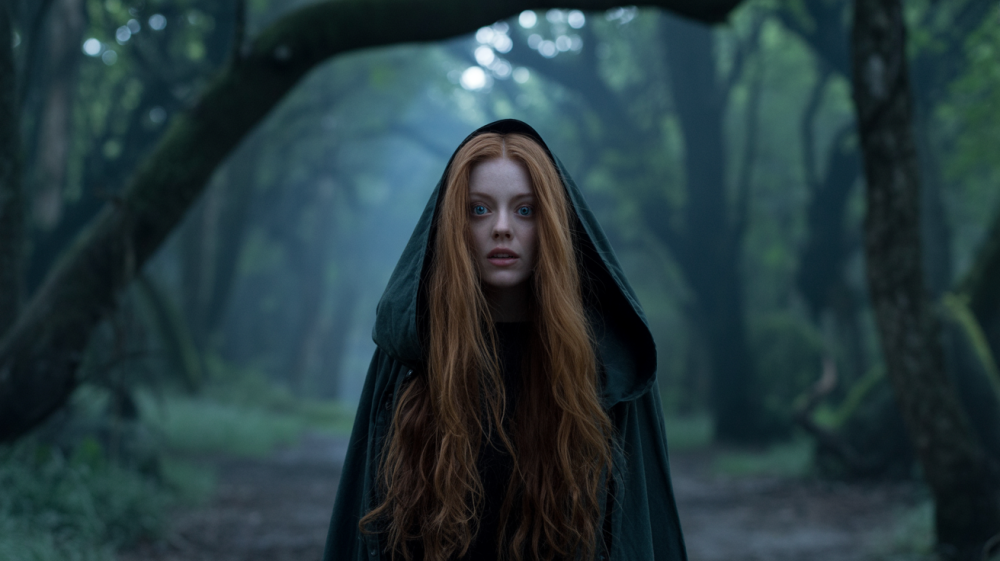
The Top-22 Supernatural Thriller Horror Books
When reality isn’t terrifying enough, supernatural thriller horror books transport us to worlds where the impossible becomes deadly. These otherworldly nightmares combine the psychological intensity of thrillers with supernatural elements that challenge our understanding of what’s real, what’s possible, and what lurks beyond the veil of ordinary experience.
From vengeful ghosts seeking justice to cosmic entities that dwarf human comprehension, these 22 masterpieces prove that the most terrifying monsters are often the ones we can’t fully understand or escape through conventional means.

Step into the dark and read your FREE psychological thriller

Over 100,000 downloads!
What Makes Supernatural Thriller Horror Unique?
Reality vs. Supernatural Tension
The best books in this genre create uncertainty about whether events are supernatural or have logical explanations, maintaining suspense through ambiguity.
Otherworldly Threats
Supernatural entities operate by different rules than human villains, creating unpredictable dangers that can’t be solved through conventional means.
Psychological Impact
Characters must grapple with challenges to their understanding of reality while facing supernatural threats to their safety and sanity.
Folkloric Resonance
Many supernatural thrillers draw on cultural mythologies and folklore, tapping into primal fears that transcend specific cultures.
Genre Blending
These books combine thriller pacing with horror atmosphere and supernatural elements, creating unique reading experiences.
Moral Complexity
Supernatural entities often embody abstract concepts like justice, revenge, or cosmic indifference, adding philosophical depth to horror.
Supernatural Entity Categories
Ghosts and Spirits
Entities connected to death, unfinished business, and the boundary between life and afterlife.
Demons and Malevolent Forces
Evil supernatural beings that actively seek to harm, corrupt, or possess human victims.
Witches and Occult Powers
Human practitioners of supernatural abilities and the entities they summon or battle.
Cosmic and Ancient Beings
Entities from beyond human understanding that represent existential horror and cosmic insignificance.
Shapeshifters and Transformative Entities
Supernatural beings that can change form or appearance, challenging identity and reality perception.
Cursed Objects and Locations
Non-sentient supernatural phenomena tied to specific items or places that influence human behavior.
How We Ranked These Books
Supernatural Effectiveness (25%)
How convincingly and creatively authors use supernatural elements to create terror and suspense.
Reality Ambiguity (20%)
Degree of uncertainty about whether events are supernatural or have rational explanations.
Thriller Pacing (20%)
Page-turning quality and ability to maintain tension throughout the narrative.
Character Development (15%)
Depth of protagonist development and how characters respond to supernatural challenges.
Folkloric Authenticity (10%)
For folklore-based books, accuracy and respectful use of cultural supernatural traditions.
Innovation (10%)
Original approaches to supernatural themes or creative new interpretations of familiar concepts.
Comparison Chart: Folklore-Based vs. Original Supernatural Concepts
| Book Title | Author | Supernatural Type | Folklore-Based | Reality Ambiguity | Innovation Level | Cultural Source |
|---|---|---|---|---|---|---|
| The Exorcist | William Peter Blatty | Demon | High | Low | Medium | Christian |
| Pet Sematary | Stephen King | Cursed Ground | Medium | Low | High | Native American |
| The Haunting of Hill House | Shirley Jackson | Ghost/House | Low | Very High | Very High | Original |
| Mexican Gothic | Silvia Moreno-Garcia | Fungal Entity | Medium | Medium | High | Colonial/Indigenous |
| The Call of Cthulhu | H.P. Lovecraft | Cosmic Being | Low | Low | Very High | Original |
| Beloved | Toni Morrison | Ghost/Spirit | Medium | Medium | Very High | African American |
| The Little Stranger | Sarah Waters | Poltergeist | Low | Very High | High | Original |
| Ring | Koji Suzuki | Vengeful Spirit | High | Low | Medium | Japanese |
| The Ritual | Adam Nevill | Ancient Entity | Medium | Medium | High | Norse/Pagan |
| Carmilla | J. Sheridan Le Fanu | Vampire | Medium | Low | Medium | European |
| The Fisherman | John Langan | Cosmic Horror | Medium | Low | Very High | Folklore Hybrid |
| Mexican Gothic | Silvia Moreno-Garcia | Colonial Horror | Medium | Medium | High | Mexican/European |
Ghosts and Spirits (7 Books)
1. The Haunting of Hill House by Shirley Jackson
Supernatural Effectiveness: 10/10 | Reality Ambiguity: 10/10 | Thriller Pacing: 8/10
Why it’s #1: The perfect supernatural thriller that never confirms whether Hill House is truly haunted or if the characters create their own horror.
Supernatural elements: House with “wrong” architecture that may or may not be influencing residents’ behavior and perception.
Reality ambiguity: Masterfully maintains uncertainty about whether supernatural events are real or psychological projections.
Character psychology: Eleanor’s mental state deteriorates throughout, making her an unreliable narrator of supernatural events.
Atmospheric terror: Creates fear through suggestion and psychological pressure rather than explicit supernatural manifestations.
Literary significance: Considered the finest American ghost story and a masterpiece of psychological horror.
Best for: Readers who appreciate subtle, psychological supernatural horror with literary depth.
Folkloric basis: Original concept not based on specific folklore traditions.
2. Beloved by Toni Morrison
Supernatural Effectiveness: 9/10 | Reality Ambiguity: 7/10 | Thriller Pacing: 7/10
Why it’s highly ranked: Combines supernatural ghost story with historical trauma, creating horror that’s both otherworldly and deeply human.
Supernatural elements: Ghost of murdered baby who returns to haunt her family and community.
Historical context: Set after slavery, using supernatural elements to explore trauma and memory.
Cultural significance: Incorporates African American spiritual traditions and beliefs about death and remembrance.
Literary achievement: Pulitzer Prize winner that elevates genre elements to literary art.
Emotional impact: Supernatural horror serves deeper themes about trauma, memory, and historical injustice.
Best for: Readers who appreciate literary horror with historical and cultural significance.
Folkloric basis: Draws on African American spiritual traditions and slave narratives.
3. The Little Stranger by Sarah Waters
Supernatural Effectiveness: 8/10 | Reality Ambiguity: 10/10 | Thriller Pacing: 7/10
Why it’s essential: Post-WWII haunted house story that questions whether supernatural events are real or products of class resentment.
Supernatural elements: Poltergeist activity in decaying English country house during social upheaval.
Unreliable narrator: Doctor’s class consciousness and romantic obsession may be driving “supernatural” events.
Social commentary: Uses ghost story framework to explore class anxiety and social change in post-war Britain.
Reality ambiguity: Never definitively confirms whether supernatural events are real or psychological.
Historical accuracy: Authentic portrayal of post-war British social conditions and class tensions.
Best for: Readers who enjoy ambiguous supernatural stories with social and historical themes.
Folkloric basis: Original ghost story concept with traditional haunted house elements.
4. Ring by Koji Suzuki
Supernatural Effectiveness: 9/10 | Reality Ambiguity: 3/10 | Thriller Pacing: 9/10
Why it’s influential: Japanese horror classic that created modern technological ghost story influencing worldwide supernatural thriller trends.
Supernatural elements: Vengeful spirit using modern technology (video tapes) to kill victims.
Cultural authenticity: Draws on Japanese beliefs about vengeful spirits and technological anxiety.
Modern horror: Updates traditional ghost story for contemporary technological fears.
International impact: Inspired remakes and influenced supernatural thriller genre globally.
Technological fear: Explores how modern technology can become conduit for ancient supernatural threats.
Best for: Readers who enjoy technologically-influenced supernatural horror with clear supernatural elements.
Folkloric basis: Based on Japanese onryō (vengeful spirit) folklore traditions.
5. Ghost Story by Peter Straub
Supernatural Effectiveness: 8/10 | Reality Ambiguity: 5/10 | Thriller Pacing: 8/10
Why it’s classic: Multi-generational ghost story that weaves together past and present supernatural revenge.
Supernatural elements: Shapeshifting entity seeking revenge across multiple generations and time periods.
Complex narrative: Multiple timelines and perspectives create layered supernatural mystery.
Character development: Extensive cast of characters across different time periods with interconnected fates.
Literary ambition: Attempts to create comprehensive American supernatural epic.
Revenge theme: Supernatural entity driven by desire for justice and retribution.
Best for: Readers who enjoy complex, multi-generational supernatural narratives.
Folkloric basis: Combines various supernatural folklore elements rather than single cultural tradition.
6. The Turn of the Screw by Henry James
Supernatural Effectiveness: 7/10 | Reality Ambiguity: 10/10 | Thriller Pacing: 6/10
Why it’s enduring: Classic ambiguous ghost story that never resolves whether supernatural events are real or psychological.
Supernatural elements: Ghosts of former employees who may be corrupting children in isolated estate.
Unreliable narrator: Governess’s mental state affects everything readers know about supernatural events.
Child endangerment: Central horror involves potential supernatural threat to innocent children.
Literary technique: James’s psychological realism elevates ghost story to high literary art.
Interpretive richness: Multiple possible readings create ongoing critical interest and discussion.
Best for: Readers who appreciate classic literature with psychological ambiguity.
Folkloric basis: Original ghost story using traditional haunted house elements.
7. We Have Always Lived in the Castle by Shirley Jackson
Supernatural Effectiveness: 6/10 | Reality Ambiguity: 8/10 | Thriller Pacing: 7/10
Why it’s atmospheric: Gothic psychological horror that may or may not involve supernatural elements.
Supernatural elements: Possible witchcraft or curses surrounding isolated family.
Psychological focus: Merricat’s unique worldview creates uncertainty about supernatural versus psychological elements.
Gothic atmosphere: Isolated house, family secrets, and community suspicion create supernatural-adjacent horror.
Social ostracism: Family’s isolation from community creates gothic atmosphere and potential supernatural explanations.
Unreliable perspective: Merricat’s narration leaves supernatural possibilities ambiguous.
Best for: Readers who enjoy gothic psychological horror with possible supernatural elements.
Folkloric basis: Incorporates witchcraft folklore and superstitions.
Demons and Malevolent Forces (5 Books)
8. The Exorcist by William Peter Blatty
Supernatural Effectiveness: 10/10 | Reality Ambiguity: 4/10 | Thriller Pacing: 9/10
Why it’s iconic: The definitive demonic possession story that combines religious horror with medical skepticism.
Supernatural elements: Demonic possession of young girl with escalating supernatural manifestations.
Religious horror: Deep exploration of Catholic theology and the battle between good and evil.
Medical vs. supernatural: Attempts to find medical explanations before accepting supernatural reality.
Cultural impact: Defined modern demonic possession fiction and influenced countless imitations.
Character development: Father Karras’s crisis of faith provides emotional center for supernatural horror.
Best for: Readers who enjoy religious horror with clear supernatural elements.
Folkloric basis: Draws heavily on Christian demonology and exorcism traditions.
9. Rosemary’s Baby by Ira Levin
Supernatural Effectiveness: 8/10 | Reality Ambiguity: 6/10 | Thriller Pacing: 9/10
Why it’s paranoid perfection: Satan-worship thriller that builds supernatural paranoia through urban apartment setting.
Supernatural elements: Satanic cult and demonic pregnancy in contemporary New York City.
Paranoid atmosphere: Rosemary’s suspicions gradually proven correct despite seeming impossible.
Urban supernatural: Updates traditional supernatural horror for modern apartment living.
Social commentary: Explores gender roles, medical paternalism, and urban isolation.
Gradual revelation: Builds supernatural terror through increasing certainty rather than ambiguity.
Best for: Readers who enjoy paranoid supernatural thrillers with urban settings.
Folkloric basis: Based on Christian Satanism and devil worship traditions.
10. The Hellbound Heart by Clive Barker
Supernatural Effectiveness: 9/10 | Reality Ambiguity: 2/10 | Thriller Pacing: 8/10
Why it’s visceral: Body horror meets supernatural thriller in exploration of pleasure, pain, and otherworldly dimensions.
Supernatural elements: Interdimensional beings (Cenobites) summoned through puzzle box.
Body horror: Graphic supernatural transformation and torture sequences.
Original mythology: Creates unique supernatural cosmology not based on traditional folklore.
Philosophical themes: Explores boundaries between pleasure and pain, desire and suffering.
Visual horror: Highly descriptive supernatural scenes that influenced film adaptation.
Best for: Readers who can handle graphic supernatural horror with philosophical elements.
Folkloric basis: Original supernatural concept not based on specific cultural traditions.
11. Hell House by Richard Matheson
Supernatural Effectiveness: 8/10 | Reality Ambiguity: 4/10 | Thriller Pacing: 8/10
Why it’s influential: Scientific investigation of supernatural phenomena in extremely haunted house setting.
Supernatural elements: House with documented history of supernatural violence and manifestation.
Scientific approach: Attempts to study supernatural phenomena using scientific methods and equipment.
Extreme haunting: More intense and violent supernatural activity than typical ghost stories.
Character ensemble: Different characters with varying beliefs and susceptibility to supernatural influence.
Genre influence: Influenced modern haunted house fiction and ghost investigation stories.
Best for: Readers who enjoy intense supernatural horror with scientific investigation elements.
Folkloric basis: Combines various haunting and poltergeist folklore traditions.
12. The Blackwater Lightship by Colm Tóibín
Supernatural Effectiveness: 5/10 | Reality Ambiguity: 8/10 | Thriller Pacing: 6/10
Why it’s literary: While primarily literary fiction, explores supernatural themes through family secrets and death.
Supernatural elements: Subtle supernatural undertones in family gathering during crisis.
Literary quality: Beautiful prose and character development within supernatural framework.
Irish setting: Rural Irish setting with traditional supernatural beliefs and folklore.
Family dynamics: Complex relationships and secrets revealed during supernatural-adjacent crisis.
Subtle approach: Supernatural elements suggested rather than explicitly confirmed.
Best for: Readers who prefer subtle, literary approaches to supernatural themes.
Folkloric basis: Incorporates Irish folklore and supernatural traditions.
Witches and Occult Powers (4 Books)
13. Mexican Gothic by Silvia Moreno-Garcia
Supernatural Effectiveness: 9/10 | Reality Ambiguity: 6/10 | Thriller Pacing: 8/10
Why it’s brilliant: Colonial horror that combines fungal body horror with occult practices and Mexican Gothic atmosphere.
Supernatural elements: Fungal organism that creates mind control and supernatural influence.
Cultural perspective: Mexican author bringing fresh perspective to Gothic horror traditions.
Colonial themes: Explores colonialism, eugenics, and cultural oppression through supernatural horror.
Body horror: Biological supernatural elements that literally grow into and control human hosts.
Feminist themes: Strong female protagonist fighting patriarchal and supernatural oppression.
Best for: Readers interested in diverse cultural perspectives and biological supernatural horror.
Folkloric basis: Combines Mexican folklore with colonial European supernatural traditions.
14. Practical Magic by Alice Hoffman
Supernatural Effectiveness: 7/10 | Reality Ambiguity: 5/10 | Thriller Pacing: 6/10
Why it’s beloved: Multi-generational witch family saga that balances supernatural elements with romantic and family drama.
Supernatural elements: Hereditary witch abilities and family curse affecting multiple generations.
Family saga: Follows several generations of women dealing with supernatural gifts and consequences.
Romantic elements: Love stories complicated by supernatural abilities and family curse.
Small-town setting: Community reactions to known witch family create social supernatural dynamics.
Positive witchcraft: Presents magical abilities as both blessing and burden rather than purely evil.
Best for: Readers who enjoy romantic supernatural stories with family themes.
Folkloric basis: Draws on European and American witchcraft traditions and folklore.
15. The Witch of Blackbird Pond by Elizabeth George Speare
Supernatural Effectiveness: 6/10 | Reality Ambiguity: 7/10 | Thriller Pacing: 6/10
Why it’s educational: Historical fiction that explores witch accusations and supernatural beliefs in colonial America.
Supernatural elements: Witch accusations and community fears about supernatural practices.
Historical accuracy: Authentic portrayal of colonial American attitudes toward witchcraft and supernatural beliefs.
Social commentary: Explores how supernatural fears can be used to control and persecute individuals.
Educational value: Teaches about historical context of American witch trials and folklore.
Coming-of-age: Young protagonist learning to navigate community supernatural fears and prejudices.
Best for: Readers interested in historical context of American supernatural folklore and witch trials.
Folkloric basis: Based on actual colonial American witchcraft accusations and folklore.
16. The Midnight Girls by Alicia Jasinska
Supernatural Effectiveness: 8/10 | Reality Ambiguity: 3/10 | Thriller Pacing: 7/10
Why it’s culturally rich: Slavic folklore horror featuring three young witches competing in deadly supernatural trials.
Supernatural elements: Authentic Slavic witchcraft and folklore creatures in competitive supernatural scenario.
Cultural authenticity: Accurate representation of Slavic folklore and supernatural traditions.
Friendship focus: Three friends with different magical abilities navigating supernatural challenges together.
Folkloric accuracy: Respectful and authentic use of Slavic supernatural beliefs and practices.
Coming-of-age: Young women growing into their supernatural abilities while facing deadly challenges.
Best for: Readers interested in authentic cultural folklore and female friendship themes.
Folkloric basis: Extensively based on Slavic folklore and witchcraft traditions.
Cosmic and Ancient Beings (3 Books)
17. The Call of Cthulhu by H.P. Lovecraft
Supernatural Effectiveness: 9/10 | Reality Ambiguity: 4/10 | Thriller Pacing: 7/10
Why it’s foundational: Created cosmic horror subgenre featuring entities beyond human comprehension.
Supernatural elements: Ancient cosmic beings that represent existential horror and human insignificance.
Cosmic horror: Fear derived from humanity’s place in uncaring universe with incomprehensible entities.
Mythos creation: Established interconnected supernatural mythology that influenced countless other works.
Philosophical horror: Supernatural elements serve themes about knowledge, sanity, and cosmic insignificance.
Literary influence: Created entire subgenre and influenced generations of supernatural horror writers.
Best for: Readers who enjoy existential horror and cosmic supernatural themes.
Folkloric basis: Original mythology not based on specific cultural folklore traditions.
18. The Fisherman by John Langan
Supernatural Effectiveness: 9/10 | Reality Ambiguity: 5/10 | Thriller Pacing: 7/10
Why it’s modern cosmic horror: Contemporary take on Lovecraftian themes with literary sophistication and emotional depth.
Supernatural elements: Ancient cosmic entity influencing human behavior through grief and loss.
Literary quality: Beautiful prose and complex narrative structure elevate cosmic horror to literary art.
Emotional resonance: Supernatural horror arises from genuinely human emotions and experiences.
Folkloric elements: Combines cosmic horror with traditional folklore and storytelling traditions.
Modern relevance: Updates cosmic horror themes for contemporary readers and concerns.
Best for: Readers who appreciate literary cosmic horror with emotional depth.
Folkloric basis: Combines original cosmic horror concepts with traditional storytelling folklore.
19. Annihilation by Jeff VanderMeer
Supernatural Effectiveness: 8/10 | Reality Ambiguity: 8/10 | Thriller Pacing: 7/10
Why it’s unique: Environmental cosmic horror that questions identity, reality, and the nature of supernatural transformation.
Supernatural elements: Area X, a zone where natural laws operate differently and transformation is constant.
Environmental themes: Supernatural horror arising from ecological and environmental concerns.
Identity confusion: Characters’ sense of self becomes unreliable in supernatural environment.
Reality distortion: Area X changes perception, memory, and physical reality in supernatural ways.
Science fiction horror: Blends supernatural elements with science fiction concepts and environmental themes.
Best for: Readers who enjoy environmental themes and reality-distorting supernatural elements.
Folkloric basis: Original supernatural concept with environmental and scientific rather than folkloric basis.
Shapeshifters and Transformative Entities (3 Books)
20. The Ritual by Adam Nevill
Supernatural Effectiveness: 8/10 | Reality Ambiguity: 4/10 | Thriller Pacing: 9/10
Why it’s effective: Ancient forest entity creates survival horror with supernatural stalking and transformation themes.
Supernatural elements: Ancient woodland entity that hunts and potentially transforms human victims.
Survival horror: Combines supernatural threat with wilderness survival and psychological pressure.
Male friendship: Explores how supernatural stress affects male friendships and group dynamics.
Forest setting: Uses woodland environment to create claustrophobic supernatural atmosphere.
Ancient entity: Pre-Christian supernatural being with unclear motivations and abilities.
Best for: Readers who enjoy survival horror with supernatural stalking elements.
Folkloric basis: Draws on Norse and pagan forest mythology and ancient woodland spirits.
21. Carmilla by J. Sheridan Le Fanu
Supernatural Effectiveness: 7/10 | Reality Ambiguity: 5/10 | Thriller Pacing: 6/10
Why it’s historically important: Pre-Dracula vampire story that established many supernatural shapeshifter tropes.
Supernatural elements: Female vampire with shapeshifting abilities and seductive supernatural influence.
Historical significance: Influenced Bram Stoker’s Dracula and established vampire fiction conventions.
Gothic atmosphere: Traditional gothic supernatural elements with isolated castle setting.
Lesbian undertones: Subtext that adds complexity to supernatural seduction and influence themes.
Shapeshifting focus: Vampire’s ability to change form central to supernatural threat and mystery.
Best for: Readers interested in historical supernatural fiction and vampire literature origins.
Folkloric basis: Based on European vampire folklore and shapeshifting supernatural traditions.
22. The Luminous Dead by Caitlin Starling
Supernatural Effectiveness: 7/10 | Reality Ambiguity: 6/10 | Thriller Pacing: 8/10
Why it’s innovative: Science fiction horror that combines cave exploration with supernatural entities and technological isolation.
Supernatural elements: Ancient entities in underground caves that may be ghosts, aliens, or something else entirely.
Genre blending: Successfully combines science fiction technology with supernatural horror elements.
Isolation horror: High-tech suit creates technological isolation while supernatural threats create psychological pressure.
Corporate themes: Exploitative corporate structure adds social commentary to supernatural horror.
Ambiguous entities: Supernatural threats remain mysterious and open to multiple interpretations.
Best for: Readers who enjoy science fiction horror with supernatural ambiguity.
Folkloric basis: Original supernatural concepts not based on specific cultural folklore.
Step into the dark and read your FREE psychological thriller
Over 100,000 downloads!
Understanding Reality vs. Supernatural Ambiguity
High Ambiguity (9-10/10)
Books where supernatural events might have psychological or rational explanations:
- The Haunting of Hill House
- The Little Stranger
- The Turn of the Screw
Medium Ambiguity (5-8/10)
Stories that suggest supernatural elements while maintaining some uncertainty:
- Beloved
- Mexican Gothic
- We Have Always Lived in the Castle
Low Ambiguity (1-4/10)
Books with clearly supernatural elements that don’t pretend to be otherwise:
- The Exorcist
- The Call of Cthulhu
- Ring
Benefits of Ambiguity
- Creates lasting discussion and interpretation opportunities
- Allows readers to choose their own level of supernatural belief
- Reflects real-world uncertainty about supernatural phenomena
- Enhances psychological horror through uncertainty
Benefits of Clear Supernatural Elements
- Allows for more elaborate supernatural world-building
- Creates clearer rules for supernatural threats and solutions
- Enables more dramatic supernatural confrontations
- Satisfies readers who want definitive supernatural experiences
Folkloric vs. Original Supernatural Concepts
Advantages of Folklore-Based Supernatural
- Taps into primal fears and cultural memories
- Provides rich historical and cultural context
- Offers authentic supernatural rules and limitations
- Connects readers to cultural traditions and beliefs
Advantages of Original Supernatural Concepts
- Allows authors complete creative freedom
- Avoids cultural appropriation concerns
- Can address contemporary fears and anxieties
- Creates unique reading experiences
Hybrid Approaches
Many successful supernatural thrillers combine folkloric elements with original concepts:
- Mexican Gothic (colonial folklore + original fungal entity)
- The Fisherman (cosmic horror + traditional storytelling)
- Pet Sematary (Native American folklore + original resurrection concept)
Reading Strategies for Supernatural Thriller Horror
Consider Your Ambiguity Preference
Decide whether you prefer clearly supernatural stories or ambiguous tales that might have rational explanations.
Explore Cultural Perspectives
Try supernatural thrillers from different cultural traditions to broaden your understanding of supernatural beliefs.
Balance Folklore and Original
Mix books based on traditional folklore with those featuring original supernatural concepts.
Start with Classics
Foundational works like The Haunting of Hill House and The Exorcist established genre conventions worth understanding.
Try Different Entity Types
Sample books featuring different supernatural entities to find your preferences.
Consider Intensity Levels
Some supernatural thrillers are more intense than others – choose based on your comfort level.
Building Your Supernatural Library
Era Representation
Include classic, modern, and contemporary supernatural thrillers to understand genre evolution.
Cultural Diversity
Explore supernatural traditions from various cultures and countries.
Entity Variety
Collect books featuring different types of supernatural beings and phenomena.
Ambiguity Range
Include both clearly supernatural and ambiguous stories for variety.
Author Expertise
Look for authors with knowledge of folklore, psychology, or relevant cultural traditions.
Critical Recognition
Include both popular favorites and critically acclaimed literary supernatural fiction.
The Future of Supernatural Thriller Horror
Diverse Voices
Authors from varied cultural backgrounds bring fresh supernatural traditions and perspectives.
Environmental Themes
Climate change and environmental destruction create new contexts for supernatural horror.
Technology Integration
Modern supernatural thrillers explore how technology interacts with ancient supernatural forces.
Psychological Sophistication
Contemporary understanding of mental health creates more nuanced supernatural psychological horror.
Global Folklore
Increased access to worldwide folklore traditions enriches supernatural fiction diversity.
Genre Blending
Supernatural elements increasingly appear in science fiction, literary fiction, and other genres.
Why Supernatural Thriller Horror Endures
Existential Questions
Supernatural stories explore fundamental questions about reality, death, and meaning.
Cathartic Fear
Experiencing supernatural terror in safe fictional contexts provides emotional release.
Cultural Connection
Supernatural folklore connects readers to cultural traditions and collective human experience.
Mystery and Wonder
Supernatural elements preserve sense of mystery in increasingly explained world.
Metaphorical Power
Supernatural entities often represent abstract concepts like guilt, trauma, or social injustice.
Escapist Entertainment
Supernatural worlds provide complete escape from mundane reality and everyday concerns.
Final Thoughts: Beyond the Veil
Supernatural thriller horror books prove that some of our deepest fears can’t be solved through rational thought or conventional action. These 22 otherworldly nightmares demonstrate that the most effective supernatural fiction doesn’t just scare us – it challenges our assumptions about reality, mortality, and the limits of human understanding.
Whether you’re drawn to ambiguous ghost stories that leave you questioning what’s real, cosmic horror that confronts our insignificance in the universe, or folklore-based tales that connect you to cultural traditions, supernatural thriller horror offers unique reading experiences that linger long after the final page.
The best supernatural thrillers remind us that mystery and wonder still exist in our increasingly explained world, that some questions might not have answers, and that the boundary between the possible and impossible remains beautifully, terrifyingly unclear.
From the psychological ambiguity of Shirley Jackson’s haunted houses to the cosmic indifference of Lovecraft’s ancient entities, these books invite us to explore the edges of human experience where logic ends and mystery begins. In a world that often feels too well-mapped, supernatural thriller horror preserves the essential human experience of wonder, fear, and the acknowledgment that we might not be alone in ways we never imagined.