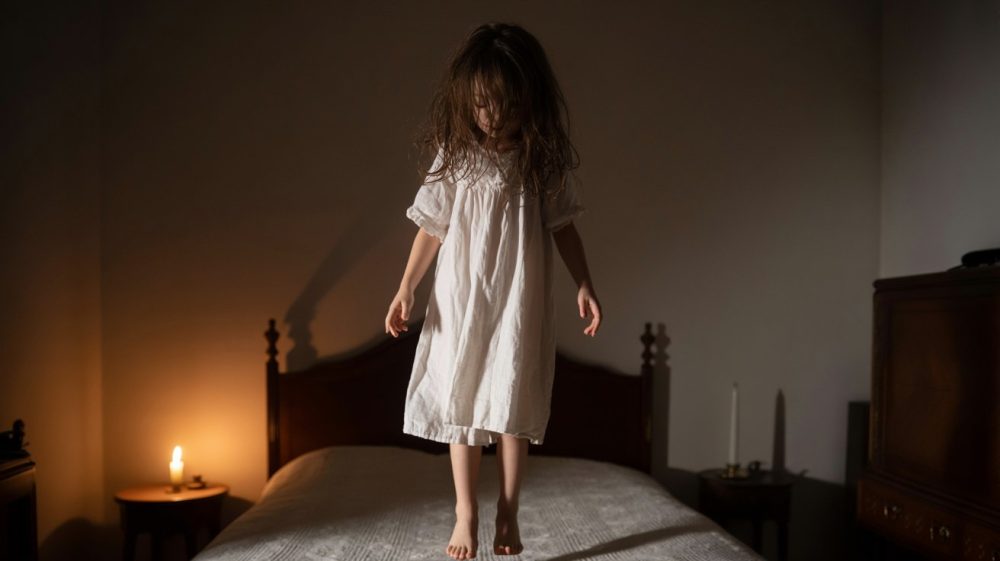
The 30 Best Dark Horror Books of All Time
When readers search for the darkest horror books ever written, they want stories that go beyond simple scares. They’re looking for books that leave them changed, questioning everything, and staring into the abyss of human nature. These 30 masterpieces don’t just frighten—they devastate hope itself.
What Makes a Horror Book Truly Dark?
Dark horror isn’t about jump scares or monsters hiding in closets. The bleakest horror books share these traits:
- No redemptive endings: Heroes don’t win, good doesn’t triumph
- Philosophical despair: Characters face meaningless universes
- Psychological destruction: Protagonists lose their minds, souls, or humanity
- Social decay: Civilizations crumble from within
- Cosmic insignificance: Humans discover they’re powerless against vast, uncaring forces

Step into the dark and read your FREE psychological thriller

Over 100,000 downloads!
The 30 Darkest Horror Books Ever Written
Ranked by despair level, literary merit, and lasting psychological impact
Tier 1: Soul-Crushing Cosmic Horror (Despair Level: 10/10)
1. The Road by Cormac McCarthy
- Why it destroys hope: A father and son walk through post-apocalyptic wasteland where cannibalism is survival
- Dark factor: Environmental collapse, human degradation, no future for children
- Reader impact: Many report feeling depressed for weeks after reading
2. Blood Meridian by Cormac McCarthy
- Why it destroys hope: Endless violence in the American West with no moral purpose
- Dark factor: Judge Holden represents pure evil without consequence
- Reader impact: Considered one of literature’s most violent and nihilistic works
3. The Light Eater by T.E. Grau
- Why it destroys hope: Ancient cosmic forces make human existence meaningless
- Dark factor: Characters discover reality itself is a lie
- Reader impact: Combines Lovecraftian dread with modern existential terror
4. Annihilation by Jeff VanderMeer
- Why it destroys hope: Nature actively works to erase human consciousness
- Dark factor: Identity dissolution, environmental horror, incomprehensible alien logic
- Reader impact: Leaves readers questioning the reliability of their own perceptions
5. The Luminous Dead by Caitlin Starling
- Why it destroys hope: Technology designed to help becomes a tool of psychological torture
- Dark factor: Isolation, corporate exploitation, body horror in space
- Reader impact: Claustrophobic dread that builds to crushing hopelessness
Tier 2: Psychological Devastation (Despair Level: 9/10)
6. The Wasp Factory by Iain Banks
- Why it destroys hope: Teenage psychopath’s worldview feels disturbingly logical
- Dark factor: Child violence, family secrets, moral relativism
- Reader impact: Challenges readers’ assumptions about innocence and evil
7. We Need to Talk About Kevin by Lionel Shriver
- Why it destroys hope: Motherhood becomes a nightmare when your child is born evil
- Dark factor: Nature vs. nurture debate with horrifying implications
- Reader impact: Parents report reconsidering their relationships with their children
8. The Girl Next Door by Jack Ketchum
- Why it destroys hope: Based on true events of child torture
- Dark factor: Ordinary people become monsters through group psychology
- Reader impact: Banned in several countries for its unflinching portrayal of evil
9. In the Miso Soup by Ryu Murakami
- Why it destroys hope: Cultural alienation leads to random acts of extreme violence
- Dark factor: Social disconnection, meaningless brutality in modern Japan
- Reader impact: Explores how isolated individuals can snap without warning
10. The Ruins by Scott Smith
- Why it destroys hope: Vacation becomes inescapable death trap with no rescue coming
- Dark factor: Slow psychological breakdown, body horror, inevitable doom
- Reader impact: Readers report feeling trapped even after finishing
Tier 3: Social Decay and Human Corruption (Despair Level: 8/10)
11. Lord of the Flies by William Golding
- Why it destroys hope: Children quickly abandon civilization for savagery
- Dark factor: Human nature is fundamentally corrupt without social constraints
- Reader impact: Classic that shaped generations’ view of human potential
12. The Stand by Stephen King
- Why it destroys hope: Society rebuilds only to repeat the same mistakes
- Dark factor: Pandemic apocalypse, religious fanaticism, cyclical violence
- Reader impact: Epic scope makes the hopelessness feel comprehensive
13. Swan Song by Robert McCammon
- Why it destroys hope: Nuclear war survivors face a world poisoned forever
- Dark factor: Environmental destruction, genetic mutation, loss of innocence
- Reader impact: 900+ pages of sustained bleakness with brief moments of false hope
14. The Road to Nowhere by Paul Finch
- Why it destroys hope: Serial killer represents unstoppable evil in ordinary places
- Dark factor: Random violence, police corruption, no safe spaces
- Reader impact: Procedural horror that makes readers distrust authority
15. Zombie by Joyce Carol Oates
- Why it destroys hope: Based on Jeffrey Dahmer, shows evil as banal and suburban
- Dark factor: Sexual violence, psychological manipulation, ordinary monster
- Reader impact: Oates’ literary skill makes the horror feel uncomfortably real

Tier 4: Body Horror and Physical Corruption (Despair Level: 7/10)
16. The Metamorphosis by Franz Kafka
- Why it destroys hope: Transformation into insect reflects dehumanization of modern life
- Dark factor: Family abandonment, workplace alienation, physical disgust
- Reader impact: Classic existential horror that influenced all subsequent body horror
17. Geek Love by Katherine Dunn
- Why it destroys hope: Family creates disabled children as carnival attractions
- Dark factor: Parental abuse, physical deformity as commodity, sibling rivalry taken to extremes
- Reader impact: Disturbing exploration of what families will do for money and attention
18. The Cipher by Kathe Koja
- Why it destroys hope: Mysterious hole in apartment floor corrupts everything it touches
- Dark factor: Relationship decay, physical transformation, addiction to destruction
- Reader impact: Readers report feeling nauseated by the visceral descriptions
19. Clive Barker’s Books of Blood
- Why it destroys hope: Multiple stories showing flesh as unreliable and corruptible
- Dark factor: Sexual violence merged with supernatural horror, body modification gone wrong
- Reader impact: Revolutionized horror by making the body itself the enemy
20. Tender Is the Flesh by Agustina Bazterrica
- Why it destroys hope: Humans farm other humans for meat after animals become inedible
- Dark factor: Industrial cannibalism, dehumanization through language, moral accommodation to evil
- Reader impact: Vegans and meat-eaters alike report being deeply disturbed
Tier 5: Supernatural Despair (Despair Level: 6/10)
21. Pet Sematary by Stephen King
- Why it destroys hope: Sometimes death is better than the alternative
- Dark factor: Parental grief leads to worse outcomes, corruption of innocence
- Reader impact: King himself considered it too dark to publish initially
22. The Exorcist by William Peter Blatty
- Why it destroys hope: Evil can possess the innocent and corrupt religious faith
- Dark factor: Medical helplessness, religious doubt, violation of childhood
- Reader impact: Caused fainting and vomiting in theaters when adapted to film
23. The Little Stranger by Sarah Waters
- Why it destroys hope: Ghost story or psychological breakdown—both options are terrible
- Dark factor: Class conflict, family decay, ambiguous supernatural threat
- Reader impact: Slow-burn horror that leaves readers questioning what really happened
24. The Haunting of Hill House by Shirley Jackson
- Why it destroys hope: Isolation and mental illness blend until reality becomes uncertain
- Dark factor: Psychological horror, female oppression, suicide as escape
- Reader impact: Established template for modern psychological horror
25. Hell House by Richard Matheson
- Why it destroys hope: Scientific investigation of haunted house proves evil is real and persistent
- Dark factor: Sexual corruption, academic arrogance punished, evil that cannot be contained
- Reader impact: Inspired countless haunted house stories but none match its relentless bleakness
Tier 6: Classic Dark Literature (Despair Level: 5/10)
26. Heart of Darkness by Joseph Conrad
- Why it destroys hope: Colonialism reveals the savage heart of “civilization”
- Dark factor: Racial exploitation, moral corruption, the banality of evil
- Reader impact: Required reading that shows how evil becomes normalized
27. The Picture of Dorian Gray by Oscar Wilde
- Why it destroys hope: Beauty and youth corrupt absolutely
- Dark factor: Moral decay, vanity as destroyer, art as corrupting influence
- Reader impact: Decadent horror that influenced Gothic literature for generations
28. Frankenstein by Mary Shelley
- Why it destroys hope: Scientific progress creates monsters, responsibility cannot be escaped
- Dark factor: Parental abandonment, revenge cycle, knowledge as curse
- Reader impact: First science fiction horror that predicted modern ethical dilemmas
29. The Strange Case of Dr. Jekyll and Mr. Hyde by Robert Louis Stevenson
- Why it destroys hope: Every person contains a monster that wants to be released
- Dark factor: Split personality, moral duality, respectability as mask for evil
- Reader impact: Created lasting metaphor for human dual nature
30. The Turn of the Screw by Henry James
- Why it destroys hope: Ambiguous ending means either ghosts are real or the narrator is insane
- Dark factor: Child endangerment, unreliable narrator, no resolution
- Reader impact: Psychological horror that refuses to provide answers
Dark Horror Comparison Chart
| Book | Nihilistic Ending | Tragic Ending | Philosophical Darkness | Visceral Darkness | Literary Merit |
|---|---|---|---|---|---|
| The Road | ✓ | ✓ | ✓ | ✓ | ✓✓✓ |
| Blood Meridian | ✓ | – | ✓✓ | ✓✓✓ | ✓✓✓ |
| Annihilation | ✓ | – | ✓✓✓ | ✓ | ✓✓ |
| The Wasp Factory | ✓ | – | ✓ | ✓✓ | ✓✓ |
| We Need to Talk About Kevin | – | ✓✓ | ✓✓ | ✓ | ✓✓✓ |
| Lord of the Flies | ✓ | ✓ | ✓✓ | ✓ | ✓✓✓ |
| Pet Sematary | ✓ | ✓ | ✓ | ✓✓ | ✓✓ |
| The Exorcist | – | ✓ | ✓ | ✓✓✓ | ✓✓ |
Legend:
- ✓ = Present
- ✓✓ = Strong
- ✓✓✓ = Dominant theme
Step into the dark and read your FREE psychological thriller
Over 100,000 downloads!
Categories of Dark Horror
Cosmic Horror
What it means: Humans discover they’re insignificant in a vast, uncaring universe Key books: Annihilation, The Light Eater, Blood Meridian Why it’s dark: Removes human agency and meaning from existence Reader appeal: Fans of Lovecraft and existential philosophy
Body Horror
What it means: The human body becomes unreliable, corrupted, or transformed Key books: The Cipher, Geek Love, Tender Is the Flesh Why it’s dark: Attacks our most basic sense of self and physical security Reader appeal: Readers who want visceral, physical reactions to horror
Psychological Devastation
What it means: Characters lose their minds, memories, or sense of reality Key books: The Wasp Factory, We Need to Talk About Kevin, In the Miso Soup Why it’s dark: Makes readers question their own mental stability Reader appeal: Fans of unreliable narrators and complex character studies
Social Decay
What it means: Civilization collapses from within due to human nature Key books: Lord of the Flies, The Stand, Swan Song Why it’s dark: Suggests human progress is temporary and fragile Reader appeal: Readers interested in social commentary and apocalyptic scenarios
Frequently Asked Questions
Q: What’s the difference between dark horror and regular horror? A: Regular horror aims to scare you temporarily. Dark horror aims to leave you permanently changed by showing you uncomfortable truths about reality, human nature, or existence itself.
Q: Are these books too disturbing for most readers?
A: Many of these books have disturbed even experienced horror readers. Start with Tier 6 classics before moving to the most devastating entries in Tiers 1-2.
Q: Do any of these books have hopeful endings? A: Very few. That’s what makes them genuinely dark horror. Books like The Road offer tiny moments of human connection, but overall, these stories don’t believe in happy endings.
Q: Why do people read such depressing books? A: Dark horror serves several purposes: catharsis (feeling better about your own life), philosophical exploration (understanding the nature of evil), and artistic appreciation (admiring how authors achieve such powerful emotional effects).
Q: Should I read these if I’m dealing with depression? A: Probably not. These books can worsen existing mental health issues. Choose lighter horror or wait until you’re in a better headspace.
Q: Which book should I start with? A: Begin with classics like Frankenstein or Dr. Jekyll and Mr. Hyde. If you handle those well, try Pet Sematary or Lord of the Flies before moving to the most disturbing entries.
Q: Are there any dark horror books with strong female characters? A: Yes. Annihilation, We Need to Talk About Kevin, The Little Stranger, and The Haunting of Hill House all feature complex female protagonists facing impossible situations.
Q: What’s the darkest book on this list? A: The Road and Blood Meridian tie for the bleakest worldview. Both suggest that violence and suffering are the fundamental human condition with no hope for improvement.
How to Read Dark Horror Safely
Reading the darkest horror books requires preparation:
Before reading:
- Check your mental health status
- Have lighter books ready as palate cleansers
- Read during daylight hours
- Tell someone what you’re reading in case you need to talk
While reading:
- Take breaks between chapters
- Don’t read before bed
- Stop if you feel overwhelmed
- Remember these are fictional scenarios
After reading:
- Process the experience with friends or online communities
- Read reviews to see how others reacted
- Balance with uplifting content
- Give yourself time before reading another dark book
The Legacy of Dark Horror
These 30 books have shaped how we understand human nature, evil, and our place in the universe. They’ve influenced:
- Modern psychological thrillers: Authors like Gillian Flynn and Tana French
- Literary fiction: Writers exploring trauma and social decay
- Film and television: From The Walking Dead to True Detective
- Philosophy: Discussions about nihilism, existentialism, and moral relativism
Dark horror doesn’t just entertain—it forces us to confront uncomfortable truths. These books endure because they tap into our deepest fears about ourselves and our world.
Whether you’re a horror veteran looking for genuinely challenging reads or a newcomer curious about the genre’s darkest corners, these 30 masterpieces represent the bleakest, most hopeless stories ever committed to paper. They destroy hope not through cheap tricks, but through unflinching examinations of what it means to be human in an indifferent universe.
Read them if you dare. But don’t say you weren’t warned about what you’ll find in the darkness.