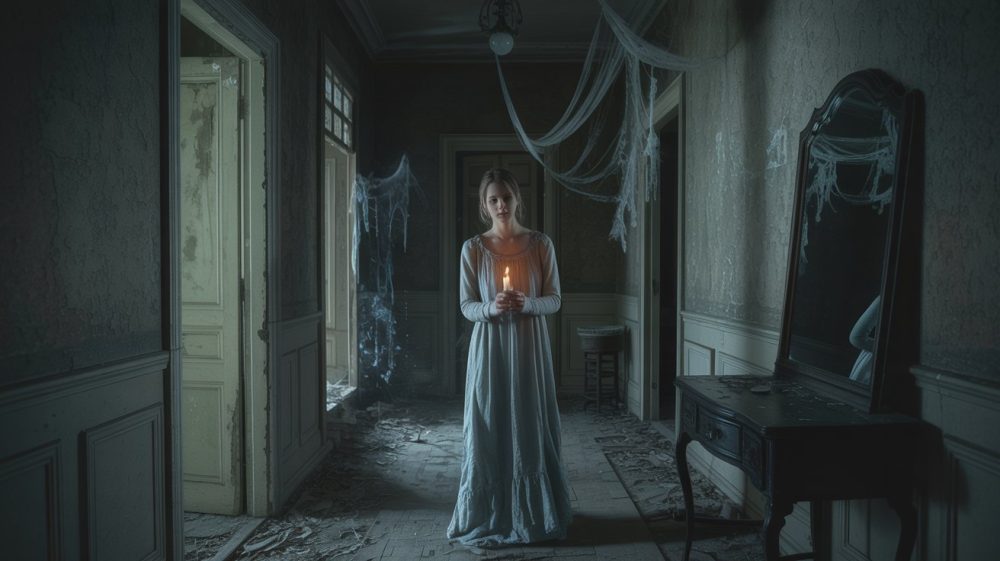
The 20 Darkest Horror Books Ever Written
Horror fans seeking the absolute darkest books face a unique challenge: finding stories that go beyond simple scares to explore the deepest corners of human despair. These 20 books don’t just frighten—they fundamentally challenge your faith in humanity, hope, and meaning itself. They offer no redemption, no light at the end of the tunnel, and no comfort that good will triumph over evil.
⚠️ Important Content Warning: This article discusses books containing extreme violence, sexual assault, child abuse, suicide, and other deeply disturbing themes. Please prioritize your mental health when choosing what to read.
Understanding Different Types of Darkness
Not all dark horror is the same. The darkest books fall into four categories of despair:
Existential Darkness
- What it means: Life has no meaning, humans are insignificant, death is final
- Emotional impact: Leaves readers questioning the point of existence
- Examples: Cosmic horror, nihilistic philosophy, meaningless suffering
Moral Darkness
- What it means: Good people do evil things, evil goes unpunished, innocence is corrupted
- Emotional impact: Destroys faith in human nature and justice
- Examples: Child abuse, systematic cruelty, normalized violence
Spiritual Darkness
- What it means: God is absent, evil, or doesn’t care about human suffering
- Emotional impact: Eliminates hope for divine justice or afterlife comfort
- Examples: Religious horror, demonic possession, unanswered prayers
Physical Darkness
- What it means: Bodies are violated, tortured, and destroyed without purpose
- Emotional impact: Creates visceral revulsion and physical discomfort
- Examples: Extreme body horror, torture, cannibalism

Step into the dark and read your FREE psychological thriller

Over 100,000 downloads!
The 20 Darkest Horror Books Ever Written
Ranked by intensity from “bleak” to “soul-crushing”
Level 1: Bleak (Intensity: 6/10)
1. Pet Sematary by Stephen King
- Type of darkness: Moral + Spiritual
- Why it destroys hope: Sometimes being dead is better than being alive
- Content warnings: Child death, animal cruelty, family violence
- Lasting impact: King himself thought it was too dark to publish
- Recovery reading: The Stand (same author, but with hope)
2. The Exorcist by William Peter Blatty
- Type of darkness: Spiritual + Physical
- Why it destroys hope: Innocent child becomes vessel for pure evil
- Content warnings: Religious blasphemy, sexual violence, self-harm
- Lasting impact: Caused fainting and vomiting in movie theaters
- Recovery reading: The Lord of the Rings (clear good vs. evil)
3. The Haunting of Hill House by Shirley Jackson
- Type of darkness: Existential + Moral
- Why it destroys hope: Isolation and mental illness lead to inevitable suicide
- Content warnings: Depression, suicide, emotional abuse
- Lasting impact: Established template for psychological horror
- Recovery reading: Pride and Prejudice (social comfort)
4. Hell House by Richard Matheson
- Type of darkness: Spiritual + Physical
- Why it destroys hope: Evil cannot be contained or destroyed
- Content warnings: Sexual violence, psychological torture, possession
- Lasting impact: Inspired countless haunted house stories
- Recovery reading: Good Omens (humorous supernatural)
Level 2: Devastating (Intensity: 7/10)
5. The Road by Cormac McCarthy
- Type of darkness: Existential + Moral
- Why it destroys hope: Post-apocalyptic world where cannibalism is survival
- Content warnings: Starvation, cannibalism, child endangerment
- Lasting impact: Many readers report depression lasting weeks
- Recovery reading: The Hobbit (adventure with happy ending)
6. American Psycho by Bret Easton Ellis
- Type of darkness: Moral + Physical
- Why it destroys hope: Wealthy psychopath faces no consequences
- Content warnings: Extreme sexual violence, torture, misogyny
- Lasting impact: Banned in several countries for graphic content
- Recovery reading: Bridget Jones’s Diary (light romance)
7. The Girl Next Door by Jack Ketchum
- Type of darkness: Moral + Physical
- Why it destroys hope: Based on true story of child torture
- Content warnings: Child abuse, sexual violence, neighborhood complicity
- Lasting impact: Readers question their faith in human decency
- Recovery reading: Anne of Green Gables (innocent childhood)
8. In the Miso Soup by Ryu Murakami
- Type of darkness: Existential + Physical
- Why it destroys hope: Random violence in disconnected modern society
- Content warnings: Extreme violence, cultural alienation, gore
- Lasting impact: Explores how isolation breeds monsters
- Recovery reading: Spirited Away (magical hope)
Level 3: Soul-Crushing (Intensity: 8/10)
9. Blood Meridian by Cormac McCarthy
- Type of darkness: Existential + Moral + Physical
- Why it destroys hope: Violence is the fundamental human condition
- Content warnings: Scalping, child murder, endless brutality
- Lasting impact: Considered one of literature’s most violent works
- Recovery reading: Little Women (family warmth)
10. The Wasp Factory by Iain Banks
- Type of darkness: Moral + Existential
- Why it destroys hope: Teenage psychopath’s worldview feels logical
- Content warnings: Animal torture, family secrets, child violence
- Lasting impact: Challenges assumptions about innocence
- Recovery reading: Harry Potter (magic defeats evil)
11. We Need to Talk About Kevin by Lionel Shriver
- Type of darkness: Moral + Existential
- Why it destroys hope: Some children are born evil, mothers are helpless
- Content warnings: School violence, maternal guilt, psychopathy
- Lasting impact: Parents reconsider relationships with children
- Recovery reading: Where the Crawdads Sing (nature healing)
12. Tender Is the Flesh by Agustina Bazterrica
- Type of darkness: Moral + Physical + Existential
- Why it destroys hope: Humans farm other humans for meat
- Content warnings: Cannibalism, industrial violence, dehumanization
- Lasting impact: Vegans and meat-eaters equally disturbed
- Recovery reading: The Secret Garden (growth and renewal)
Level 4: Absolutely Devastating (Intensity: 9/10)
13. The Cipher by Kathe Koja
- Type of darkness: Physical + Existential
- Why it destroys hope: Mysterious force corrupts everything it touches
- Content warnings: Body horror, addiction, relationship destruction
- Lasting impact: Readers report feeling nauseated for days
- Recovery reading: The Princess Bride (true love conquers all)
14. Geek Love by Katherine Dunn
- Type of darkness: Moral + Physical
- Why it destroys hope: Parents deliberately create disabled children as attractions
- Content warnings: Child abuse, incest, physical deformity exploitation
- Lasting impact: Disturbing exploration of family loyalty
- Recovery reading: Charlotte’s Web (friendship and sacrifice)
15. Swan Song by Robert McCammon
- Type of darkness: Existential + Spiritual + Physical
- Why it destroys hope: Nuclear war survivors face poisoned world forever
- Content warnings: Radiation sickness, mutation, endless suffering
- Lasting impact: 900+ pages of sustained hopelessness
- Recovery reading: Lord of the Rings (eucatastrophe ending)
16. Zombie by Joyce Carol Oates
- Type of darkness: Moral + Physical
- Why it destroys hope: Based on Jeffrey Dahmer, shows evil as suburban and normal
- Content warnings: Sexual violence, murder, psychological manipulation
- Lasting impact: Literary skill makes horror feel uncomfortably real
- Recovery reading: Pride and Prejudice (social order restored)
Level 5: Complete Annihilation (Intensity: 10/10)
17. The Ruins by Scott Smith
- Type of darkness: Existential + Physical + Spiritual
- Why it destroys hope: Vacation becomes inescapable death trap
- Content warnings: Body horror, psychological breakdown, inevitable doom
- Lasting impact: Readers feel trapped even after finishing
- Recovery reading: The Martian (problem-solving hope)
18. 120 Days of Sodom by Marquis de Sade
- Type of darkness: Moral + Physical + Spiritual
- Why it destroys hope: Wealthy elite torture victims without consequence
- Content warnings: Extreme sexual violence, child abuse, torture
- Lasting impact: Banned worldwide, influenced philosophy of evil
- Recovery reading: Winnie the Pooh (innocent friendship)
19. Hogg by Samuel R. Delany
- Type of darkness: Moral + Physical
- Why it destroys hope: Child narrator accepts sexual abuse as normal
- Content warnings: Extreme child sexual abuse, incest, violence
- Lasting impact: Most disturbing book many readers encounter
- Recovery reading: The Lion, the Witch and the Wardrobe (good triumphs)
20. The Consumer by Michael Gira
- Type of darkness: Existential + Physical + Spiritual + Moral
- Why it destroys hope: Consciousness itself is torture, existence is meaningless suffering
- Content warnings: Psychological torture, sexual violence, nihilistic philosophy
- Lasting impact: Readers question their decision to be alive
- Recovery reading: A Man Called Ove (human connection matters)
Darkness Comparison Chart
| Book | Existential | Moral | Spiritual | Physical | Intensity | Recovery Time |
|---|---|---|---|---|---|---|
| Pet Sematary | ✓ | ✓✓ | ✓✓ | ✓ | 6/10 | 1-2 weeks |
| The Road | ✓✓✓ | ✓✓ | ✓ | ✓ | 7/10 | 2-4 weeks |
| Blood Meridian | ✓✓✓ | ✓✓✓ | ✓ | ✓✓✓ | 8/10 | 1-3 months |
| Tender Is the Flesh | ✓✓ | ✓✓✓ | ✓ | ✓✓✓ | 8/10 | 2-6 months |
| The Ruins | ✓✓✓ | ✓ | ✓✓ | ✓✓✓ | 10/10 | 6+ months |
| The Consumer | ✓✓✓ | ✓✓✓ | ✓✓✓ | ✓✓✓ | 10/10 | Years |
Legend:
- ✓ = Present
- ✓✓ = Strong
- ✓✓✓ = Overwhelming
Content Warning Severity Ratings
Yellow Alert (Proceed with Caution)
Books: Pet Sematary, The Exorcist, The Haunting of Hill House
Contains: Standard horror violence, supernatural themes, some disturbing imagery Safe for: Experienced horror readers, those in good mental health
Avoid if: Dealing with grief, recent loss, depression
Orange Alert (Significant Disturbance)
Books: The Road, American Psycho, The Girl Next Door, Blood Meridian
Contains: Graphic violence, sexual assault, child endangerment, nihilistic themes
Safe for: Very experienced horror readers with strong mental health
Avoid if: History of trauma, depression, anxiety disorders
Red Alert (Extreme Content)
Books: Tender Is the Flesh, The Cipher, Geek Love, Zombie
Contains: Extreme violence, body horror, systematic abuse, cannibalism
Safe for: Horror veterans who specifically seek challenging content
Avoid if: Any mental health concerns, trauma history, eating disorders
Black Alert (Maximum Disturbance)
Books: The Ruins, 120 Days of Sodom, Hogg, The Consumer
Contains: Everything above plus psychological torture, extreme sexual violence
Safe for: Only readers who fully understand the content and have strong support systems
Avoid if: Anyone with any mental health vulnerabilities
Recovery Reading Suggestions
After Level 1-2 Books (Mild Recovery Needed)
- Fantasy: The Hobbit, Harry Potter series
- Romance: Pride and Prejudice, The Princess Bride
- Adventure: The Martian, Ready Player One
- Comedy: Good Omens, The Hitchhiker’s Guide to the Galaxy
After Level 3-4 Books (Moderate Recovery Needed)
- Heartwarming: A Man Called Ove, The Seven Husbands of Evelyn Hugo
- Nature: Where the Crawdads Sing, The Secret Garden
- Friendship: The Lord of the Rings, Anne of Green Gables
- Hope: The Book Thief, Life of Pi
After Level 5 Books (Intensive Recovery Needed)
- Children’s classics: Winnie the Pooh, Charlotte’s Web, The Lion, the Witch and the Wardrobe
- Gentle humor: Three Men in a Boat, The Importance of Being Earnest
- Spiritual comfort: The Purpose Driven Life, Chicken Soup for the Soul
- Nature healing: Walden, A Walk in the Woods
Frequently Asked Questions
Q: Why do people read such disturbing books?
A: Reasons include catharsis (feeling better about your own life), artistic appreciation (admiring how authors achieve emotional effects), philosophical exploration (understanding evil), and thrill-seeking (testing personal limits).
Q: Can these books cause lasting psychological damage?
A: Yes, especially for readers with existing mental health issues. The most extreme books can trigger depression, anxiety, PTSD symptoms, and suicidal thoughts in vulnerable individuals.
Q: How do I know if I’m ready for these books?
A: Start with Level 1 books and assess your reaction. If you experience persistent nightmares, intrusive thoughts, or mood changes lasting more than a week, avoid higher levels.
Q: Should I read these books if I have depression?
A: Generally no. These books can worsen existing depression, anxiety, and suicidal ideation. Wait until you’re in a stable mental health state.
Q: What’s the difference between these and regular horror?
A: Regular horror aims to scare temporarily. These books aim to permanently change how you view humanity, existence, and hope itself.
Q: Are there any books darker than Level 5?
A: Yes, but they’re typically unpublished manuscripts, extreme underground fiction, or illegal content. The books listed here represent the darkest widely available literature.
Q: How long do the effects last?
A: Varies by person and book. Level 1-2 books might affect you for days. Level 5 books can change your worldview permanently.
Q: Can reading recovery books actually help?
A: Yes. Gentle, hopeful literature can help restore faith in humanity and meaning. Many therapists recommend “bibliotherapy” for processing difficult emotions.
Step into the dark and read your FREE psychological thriller
Over 100,000 downloads!
Safe Reading Practices
Before You Start
- Assess mental health: Only read when emotionally stable
- Have support ready: Tell someone what you’re reading
- Prepare recovery materials: Have hopeful books and activities planned
- Set boundaries: Decide on stopping points if content becomes overwhelming
While Reading
- Read during daylight: Avoid bedtime reading
- Take frequent breaks: Don’t binge-read dark content
- Monitor your reactions: Stop if you feel overwhelmed
- Stay connected: Don’t isolate yourself from others
After Reading
- Process with others: Discuss experiences with friends or online communities
- Engage in self-care: Exercise, spend time in nature, practice mindfulness
- Read recovery books: Balance dark content with hopeful material
- Seek help if needed: Talk to mental health professionals if effects persist
The Psychology of Extreme Horror
Why These Books Exist
- Artistic expression: Authors exploring the absolute limits of human experience
- Social commentary: Critiquing violence, capitalism, and social structures
- Philosophical exploration: Examining questions about meaning, morality, and existence
- Cathartic release: Providing safe space to confront humanity’s darkest impulses
Why People Seek Them
- Intellectual curiosity: Understanding how far literature can push boundaries
- Emotional testing: Discovering personal psychological limits
- Aesthetic appreciation: Admiring skillful writing about difficult subjects
- Community connection: Sharing extreme experiences with fellow readers
Potential Benefits
- Increased empathy: Understanding suffering can increase compassion
- Problem-solving skills: Confronting worst-case scenarios builds resilience
- Artistic appreciation: Recognizing skill required to create powerful emotional effects
- Philosophical growth: Wrestling with difficult questions about existence
Potential Risks
- Desensitization: Becoming numb to real-world violence and suffering
- Trauma triggers: Activating existing PTSD or creating new trauma responses
- Mood disorders: Triggering or worsening depression, anxiety, and suicidal thoughts
- Social isolation: Difficulty relating to people who haven’t shared extreme experiences
Conclusion: Entering the Darkness Responsibly
These 20 books represent the absolute darkest corners of human literature. They offer no hope, no redemption, and no comfort. They exist to show us what we’re capable of becoming when stripped of civilization, morality, and meaning.
Reading them is not entertainment—it’s an expedition into the abyss of human experience. Some readers emerge with greater appreciation for light because they’ve truly seen darkness. Others find themselves changed in ways they didn’t expect or want.
If you choose to explore these books, do so with full awareness of their power to disturb, depress, and fundamentally alter your worldview. Have support systems ready, recovery reading prepared, and the wisdom to stop if the darkness becomes too much.
Remember: there’s no shame in choosing not to read the darkest books ever written. Sometimes the bravest choice is protecting your mental health rather than testing its limits. These books will always exist for those who need to explore humanity’s darkest corners, but you are not obligated to join that journey.
Choose wisely, read safely, and remember that even in literature’s darkest moments, you always have the power to close the book and step back into the light.