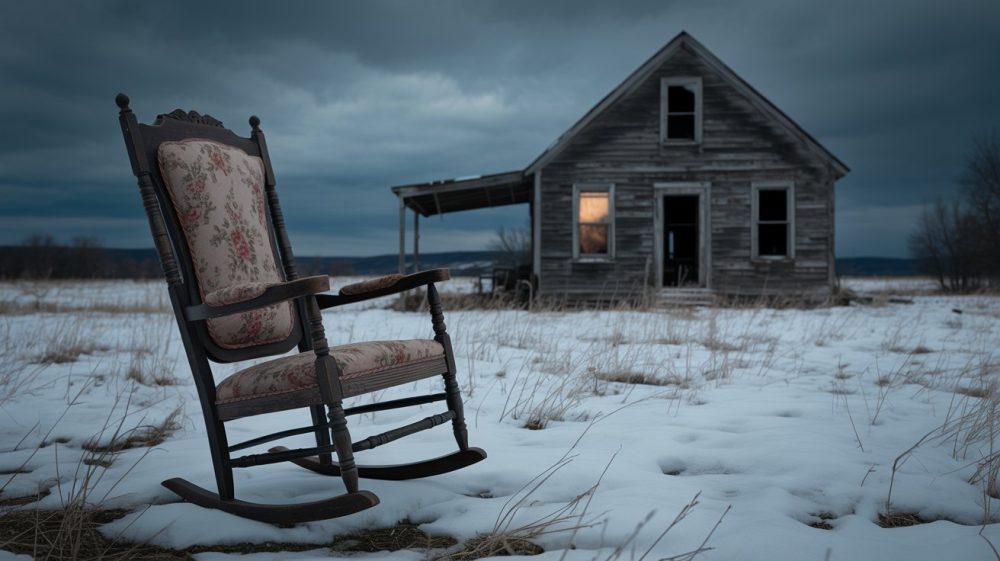
The Best 25 Dark Psychological Horror Books
Psychological horror goes beyond jump scares and monsters to attack the most terrifying place of all: your own mind. The darkest books in this genre don’t just frighten you—they make you question reality, doubt your memories, and wonder if you can trust your own thoughts. These 25 psychological nightmares represent the finest examples of literature that crawls inside your head and refuses to leave.
⚠️ Important Mental Health Warning: This article discusses books containing themes of mental illness, reality distortion, identity crisis, and psychological trauma. Please prioritize your mental health when choosing what to read. If you’re currently dealing with anxiety, depression, or other mental health challenges, consider waiting until you’re in a stable state before reading these books.
Understanding Psychological Damage Types
Not all psychological horror affects readers the same way. The darkest books fall into three main categories of mental assault:
Identity Dissolution
- What it means: Characters lose sense of who they are, merge with others, or discover they’re not who they thought
- Reader impact: Makes you question your own identity and self-knowledge
- Warning signs: Dissociation, personality confusion, self-doubt after reading
- Examples: Body swapping, personality splitting, false memory implantation
Reality Breakdown
- What it means: Characters can’t distinguish between real and unreal, dream and waking, truth and delusion
- Reader impact: Creates persistent doubt about what’s actually happening
- Warning signs: Difficulty distinguishing dreams from reality, paranoid thoughts
- Examples: Unreliable narrators, simulation theory, dimensional slipping
Memory Horror
- What it means: Characters’ memories are altered, stolen, or revealed to be completely false
- Reader impact: Makes you doubt your own memories and past experiences
- Warning signs: Questioning childhood memories, feeling uncertain about past events
- Examples: Memory manipulation, suppressed trauma revelation, false history

Step into the dark and read your FREE psychological thriller

Over 100,000 downloads!
Sanity Threat Level System
Each book receives a rating based on potential psychological impact:
Level 1: Unsettling (Minimal Risk)
- Mild reality questioning, temporary unease
- Safe for most mentally healthy readers
- Effects fade quickly after reading
Level 2: Disturbing (Low Risk)
- Moderate psychological tension, some sleep disruption
- Avoid if currently stressed or anxious
- Effects may last several days
Level 3: Deeply Troubling (Moderate Risk)
- Significant mental disturbance, persistent thoughts
- Only for experienced horror readers in good mental health
- Effects can last weeks
Level 4: Mind-Bending (High Risk)
- Severe psychological impact, reality questioning
- Avoid if any history of mental health issues
- Effects can last months
Level 5: Sanity-Shattering (Extreme Risk)
- Potentially harmful to mental health
- Only for those specifically seeking extreme psychological challenge
- May cause lasting psychological changes
The 25 Best Dark Psychological Horror Books
Organized by psychological damage type with threat level ratings
Identity Dissolution: Who Am I Really?
1. Fight Club by Chuck Palahniuk
- Damage Type: Identity Dissolution/Reality Breakdown
- Sanity Threat Level: 3/5 (Deeply Troubling)
- Psychological Impact: Questions about identity, masculinity, and consumer culture
- Warning Signs: Dissociation feelings, anti-social thoughts
- Why it breaks minds: Unreliable narrator reveals shocking identity truth
- Therapeutic Reading: The Alchemist by Paulo Coelho (finding true purpose)
2. The Strange Case of Dr. Jekyll and Mr. Hyde by Robert Louis Stevenson
- Damage Type: Identity Dissolution
- Sanity Threat Level: 2/5 (Disturbing)
- Psychological Impact: Fear of hidden dark impulses within ourselves
- Warning Signs: Worrying about secret evil thoughts
- Why it breaks minds: Classic exploration of dual nature in everyone
- Therapeutic Reading: Mr. Rogers’ Biography (human goodness exists)
3. Black Swan Green by David Mitchell
- Damage Type: Identity Dissolution/Coming of Age
- Sanity Threat Level: 2/5 (Disturbing)
- Psychological Impact: Questioning authentic self vs. social performance
- Warning Signs: Social anxiety, imposter syndrome feelings
- Why it breaks minds: Reveals how much of identity is performance
- Therapeutic Reading: Brené Brown’s Gifts of Imperfection (authentic self-acceptance)
4. Annihilation by Jeff VanderMeer
- Damage Type: Identity Dissolution/Reality Breakdown
- Sanity Threat Level: 4/5 (Mind-Bending)
- Psychological Impact: Questions about environmental influence on identity
- Warning Signs: Feeling controlled by surroundings, loss of personal agency
- Why it breaks minds: Characters lose themselves to mysterious landscape
- Therapeutic Reading: A Walk in the Woods by Bill Bryson (nature as healing)
5. The Metamorphosis by Franz Kafka
- Damage Type: Identity Dissolution/Body Horror
- Sanity Threat Level: 3/5 (Deeply Troubling)
- Psychological Impact: Fear of becoming something monstrous and unlovable
- Warning Signs: Self-disgust, feeling like burden on family
- Why it breaks minds: Physical transformation represents psychological alienation
- Therapeutic Reading: The Body Keeps the Score (trauma healing)
Reality Breakdown: What Is Actually Real?
6. House of Leaves by Mark Z. Danielewski
- Damage Type: Reality Breakdown/Meta-Horror
- Sanity Threat Level: 4/5 (Mind-Bending)
- Psychological Impact: Questions about reliability of text and reality itself
- Warning Signs: Obsessive behavior, reality checking compulsions
- Why it breaks minds: Physical book structure mirrors psychological breakdown
- Therapeutic Reading: The Little Prince (simple, clear reality)
7. The Turn of the Screw by Henry James
- Damage Type: Reality Breakdown/Unreliable Narrator
- Sanity Threat Level: 3/5 (Deeply Troubling)
- Psychological Impact: Permanent uncertainty about what actually happened
- Warning Signs: Doubt about own perceptions and judgments
- Why it breaks minds: Impossible to determine if ghosts are real
- Therapeutic Reading: Sherlock Holmes stories (logical problem-solving)
8. The Yellow Wallpaper by Charlotte Perkins Gilman
- Damage Type: Reality Breakdown/Mental Health Commentary
- Sanity Threat Level: 3/5 (Deeply Troubling)
- Psychological Impact: Shows how isolation and dismissal create madness
- Warning Signs: Feeling unheard, seeing patterns where none exist
- Why it breaks minds: Realistic portrayal of psychological breakdown
- Therapeutic Reading: The Gifts of Imperfection (self-compassion)
9. Shutter Island by Dennis Lehane
- Damage Type: Reality Breakdown/Memory Horror
- Sanity Threat Level: 3/5 (Deeply Troubling)
- Psychological Impact: Questions about truth of personal history
- Warning Signs: Doubting own memories and motivations
- Why it breaks minds: Reveals narrator’s entire reality is constructed
- Therapeutic Reading: When Breath Becomes Air (accepting difficult truths)
10. The Babadook (based on Jennifer Kent’s concept)
- Alternative: The Haunting of Hill House by Shirley Jackson
- Damage Type: Reality Breakdown/Psychological Manifestation
- Sanity Threat Level: 3/5 (Deeply Troubling)
- Psychological Impact: Fear that depression and grief create monsters
- Warning Signs: Feeling haunted by negative emotions
- Why it breaks minds: Horror may be projection of internal state
- Therapeutic Reading: Option B by Sheryl Sandberg (processing grief)
11. Invisible Monsters by Chuck Palahniuk
- Damage Type: Reality Breakdown/Identity Dissolution
- Sanity Threat Level: 4/5 (Mind-Bending)
- Psychological Impact: Questions about beauty, identity, and truth
- Warning Signs: Obsession with appearance, reality distortion
- Why it breaks minds: Nonlinear narrative reveals shocking identity twists
- Therapeutic Reading: Self-Compassion by Kristin Neff
12. The Cipher by Kathe Koja
- Damage Type: Reality Breakdown/Physical Horror
- Sanity Threat Level: 4/5 (Mind-Bending)
- Psychological Impact: Fear of unknown corrupting familiar reality
- Warning Signs: Paranoia about everyday objects, compulsive behaviors
- Why it breaks minds: Mysterious hole in floor destroys characters’ sanity
- Therapeutic Reading: The Power of Now by Eckhart Tolle (grounding)
Memory Horror: Can I Trust My Past?
13. Dark Places by Gillian Flynn
- Damage Type: Memory Horror/Family Trauma
- Sanity Threat Level: 3/5 (Deeply Troubling)
- Psychological Impact: Questions about childhood memory reliability
- Warning Signs: Doubting traumatic memories, family trust issues
- Why it breaks minds: Childhood witness discovers memories may be false
- Therapeutic Reading: The Body Keeps the Score (trauma understanding)
14. Sharp Objects by Gillian Flynn
- Damage Type: Memory Horror/Self-Harm
- Sanity Threat Level: 4/5 (Mind-Bending)
- Psychological Impact: Reveals how trauma shapes perception and memory
- Warning Signs: Self-destructive impulses, family relationship distrust
- Why it breaks minds: Protagonist’s scars tell story she’s forgotten
- Therapeutic Reading: Daring Greatly by Brené Brown (vulnerability healing)
15. The Forgotten by David Baldacci
- Alternative: Before I Go to Sleep by S.J. Watson
- Damage Type: Memory Horror/Medical Horror
- Sanity Threat Level: 3/5 (Deeply Troubling)
- Psychological Impact: Fear of losing identity through memory loss
- Warning Signs: Excessive worry about memory, identity anxiety
- Why it breaks minds: Protagonist wakes up each day with no memories
- Therapeutic Reading: Still Alice by Lisa Genova (medical condition understanding)
16. We Need to Talk About Kevin by Lionel Shriver
- Damage Type: Memory Horror/Maternal Guilt
- Sanity Threat Level: 4/5 (Mind-Bending)
- Psychological Impact: Questions about parental responsibility and childhood interpretation
- Warning Signs: Parental guilt, questioning child-rearing decisions
- Why it breaks minds: Mother examines memories for signs she missed
- Therapeutic Reading: The Conscious Parent by Shefali Tsabary
17. The Girl on the Train by Paula Hawkins
- Damage Type: Memory Horror/Alcoholism
- Sanity Threat Level: 3/5 (Deeply Troubling)
- Psychological Impact: Shows how addiction distorts memory and perception
- Warning Signs: Questioning blackout periods, memory gaps fear
- Why it breaks minds: Unreliable narrator can’t trust her own memories
- Therapeutic Reading: Blackout by Sarah Hepola (addiction recovery memoir)
18. Gone Girl by Gillian Flynn
- Damage Type: Memory Horror/Relationship Manipulation
- Sanity Threat Level: 4/5 (Mind-Bending)
- Psychological Impact: Fear of partner manipulation and false memories
- Warning Signs: Relationship paranoia, questioning partner’s honesty
- Why it breaks minds: Reveals how well people can manipulate others’ perceptions
- Therapeutic Reading: Hold Me Tight by Sue Johnson (healthy relationships)
Cross-Category Mind Breakers: Multiple Psychological Assaults
19. American Psycho by Bret Easton Ellis
- Damage Type: Identity Dissolution/Reality Breakdown/Memory Horror
- Sanity Threat Level: 5/5 (Sanity-Shattering)
- Psychological Impact: Questions about reality, identity, and human nature
- Warning Signs: Violent thoughts, reality dissociation, moral confusion
- Why it breaks minds: Impossible to determine what’s real vs. fantasy
- Therapeutic Reading: The Gifts of Imperfection (reconnecting with humanity)
20. The Road by Cormac McCarthy
- Damage Type: Reality Breakdown/Identity Dissolution
- Sanity Threat Level: 4/5 (Mind-Bending)
- Psychological Impact: Existential dread about meaning and survival
- Warning Signs: Depression, hopelessness, questioning life’s purpose
- Why it breaks minds: Post-apocalyptic world strips away human meaning
- Therapeutic Reading: Man’s Search for Meaning by Viktor Frankl
21. Tender Is the Flesh by Agustina Bazterrica
- Damage Type: Reality Breakdown/Identity Dissolution
- Sanity Threat Level: 5/5 (Sanity-Shattering)
- Psychological Impact: Forces examination of humanity and moral boundaries
- Warning Signs: Moral confusion, dehumanization fears, eating disorder triggers
- Why it breaks minds: Normalizes cannibalism through gradual acceptance
- Therapeutic Reading: The Omnivore’s Dilemma by Michael Pollan (ethical eating)
22. The Wasp Factory by Iain Banks
- Damage Type: Identity Dissolution/Reality Breakdown
- Sanity Threat Level: 4/5 (Mind-Bending)
- Psychological Impact: Challenges assumptions about gender, family, and morality
- Warning Signs: Identity confusion, family trust issues, moral relativism
- Why it breaks minds: Shocking identity revelation changes everything
- Therapeutic Reading: Self-Compassion by Kristin Neff
23. Misery by Stephen King
- Damage Type: Reality Breakdown/Identity Dissolution
- Sanity Threat Level: 3/5 (Deeply Troubling)
- Psychological Impact: Claustrophobic psychological manipulation and control
- Warning Signs: Feeling trapped, controlled, or manipulated
- Why it breaks minds: Realistic portrayal of psychological captivity
- Therapeutic Reading: The Gifts of Imperfection (personal agency)
24. The Silence of the Lambs by Thomas Harris
- Damage Type: Identity Dissolution/Memory Horror
- Sanity Threat Level: 3/5 (Deeply Troubling)
- Psychological Impact: Questions about evil, manipulation, and trust
- Warning Signs: Trust issues, fear of manipulation, nightmares
- Why it breaks minds: Hannibal Lecter gets inside readers’ heads
- Therapeutic Reading: The Anatomy of Peace (understanding human goodness)
25. Bird Box by Josh Malerman
- Damage Type: Reality Breakdown/Sensory Horror
- Sanity Threat Level: 3/5 (Deeply Troubling)
- Psychological Impact: Fear of unknown threats and loss of sensory control
- Warning Signs: Anxiety about unseen dangers, paranoia
- Why it breaks minds: Unknown threat that can’t be looked at or understood
- Therapeutic Reading: The Miracle of Mindfulness by Thich Nhat Hanh
Psychological Impact Comparison Chart
| Book | Subtle Manipulation | Overt Assault | Identity Threat | Reality Threat | Memory Threat | Recovery Time |
|---|---|---|---|---|---|---|
| Fight Club | ✓✓ | ✓✓✓ | ✓✓✓ | ✓✓✓ | ✓ | 2-4 weeks |
| House of Leaves | ✓✓✓ | ✓ | ✓ | ✓✓✓ | ✓ | 1-3 months |
| Gone Girl | ✓✓✓ | ✓ | ✓✓ | ✓✓ | ✓✓✓ | 2-6 weeks |
| American Psycho | ✓ | ✓✓✓ | ✓✓✓ | ✓✓✓ | ✓✓ | 3-6 months |
| Sharp Objects | ✓✓ | ✓✓ | ✓✓ | ✓ | ✓✓✓ | 1-2 months |
| The Road | ✓ | ✓✓✓ | ✓✓ | ✓✓✓ | ✓ | 2-4 months |
Legend:
- ✓ = Present
- ✓✓ = Strong
- ✓✓✓ = Overwhelming
Therapeutic Reading Recommendations
After Level 1-2 Books (Light Recovery)
- Humor: Good Omens by Terry Pratchett & Neil Gaiman
- Hope: The Alchemist by Paulo Coelho
- Comfort: Anne of Green Gables by L.M. Montgomery
- Nature: A Walk in the Woods by Bill Bryson
After Level 3 Books (Moderate Recovery)
- Self-Help: The Gifts of Imperfection by Brené Brown
- Memoir: Educated by Tara Westover
- Philosophy: Man’s Search for Meaning by Viktor Frankl
- Spirituality: The Power of Now by Eckhart Tolle
After Level 4-5 Books (Intensive Recovery)
- Trauma Healing: The Body Keeps the Score by Bessel van der Kolk
- Mental Health: Maybe You Should Talk to Someone by Lori Gottlieb
- Mindfulness: Wherever You Go, There You Are by Jon Kabat-Zinn
- Connection: Braving the Wilderness by Brené Brown
Safe Reading Practices for Psychological Horror
Before Reading Assessment
- Mental Health Check: Are you currently struggling with anxiety, depression, or trauma?
- Support System: Do you have people to talk to if the book disturbs you?
- Timing: Are you reading during a stable period in your life?
- Recovery Plan: Do you have therapeutic reading ready?
While Reading Safety
- Daylight Reading: Avoid reading before bed or in isolation
- Break Frequency: Stop every 50-100 pages to check your mental state
- Reality Anchoring: Remind yourself regularly that it’s fiction
- Stop Signs: If you feel dissociation, paranoia, or reality confusion, stop immediately
After Reading Recovery
- Immediate Grounding: Engage in physical activity or social contact
- Process Discussion: Talk about the book with others who’ve read it
- Therapeutic Reading: Begin recovery reading within 24 hours
- Professional Help: Consult mental health professional if effects persist beyond expected timeframe
Step into the dark and read your FREE psychological thriller
Over 100,000 downloads!
Warning Signs to Watch For
Identity-Related Concerns
- Questioning who you really are
- Feeling like you’re performing rather than being authentic
- Wondering if you have hidden evil impulses
- Difficulty recognizing yourself in mirrors
Reality-Related Concerns
- Doubting whether events actually happened
- Difficulty distinguishing dreams from memories
- Paranoid thoughts about being manipulated
- Feeling like you’re in a simulation or dream
Memory-Related Concerns
- Questioning childhood memories
- Worrying about gaps in memory
- Feeling like past events might be false
- Obsessing over “what really happened”
Frequently Asked Questions
Q: Are psychological horror books actually dangerous to mental health? A: For most mentally healthy readers, no. However, people with existing mental health conditions, trauma history, or high stress levels should be cautious. Level 4-5 books can genuinely disturb even stable readers.
Q: How long do the psychological effects typically last? A: Most effects fade within days to weeks. Level 1-2 books: days. Level 3: weeks. Level 4-5: months. If effects persist beyond expected timeframes, consider professional help.
Q: What makes psychological horror different from regular horror? A: Regular horror scares you temporarily. Psychological horror makes you question fundamental assumptions about reality, identity, and memory. The fear comes from within your own mind.
Q: Should I read these books if I have anxiety or depression? A: Generally not recommended during active mental health struggles. Wait until you’re in a stable state. Some books (Level 1-2) might be okay with proper support systems.
Q: Can these books help me understand my own psychology better? A: Some readers find psychological horror helps them explore fears and anxieties in a safe way. However, this should supplement, not replace, professional mental health support.
Q: Why do people choose to read books that disturb them? A: Reasons include catharsis, intellectual challenge, artistic appreciation, fear confrontation, and community connection with other readers who’ve shared the experience.
Q: How do I know if I should stop reading a book? A: Stop if you experience persistent anxiety, reality confusion, identity questions, sleep disruption, or any thoughts of self-harm. Trust your instincts about your mental state.
Q: Are there any benefits to reading psychological horror? A: Possible benefits include increased empathy, problem-solving skills, emotional resilience, and artistic appreciation. However, prioritize mental health over potential benefits.
The Appeal of Mental Nightmares
Despite the risks, psychological horror remains popular because it offers unique experiences:
Intellectual Challenge: These books require active engagement and interpretation Emotional Catharsis: Safe way to experience and process difficult emotions Artistic Appreciation: Recognition of skillful writing that achieves powerful effects Community Connection: Shared experience with others who’ve been equally disturbed Self-Discovery: Understanding personal psychological boundaries and reactions
Psychological Horror vs. Other Genres
vs. Traditional Horror
Traditional: External threats (monsters, killers, supernatural entities) Psychological: Internal threats (mind, reality, identity, memory)
vs. Thriller
Thriller: Physical danger and action-oriented suspense Psychological Horror: Mental danger and atmosphere-based dread
vs. Literary Fiction
Literary Fiction: Character study and social commentary Psychological Horror: Character breakdown and reality questioning
Conclusion: Enter at Your Own Risk
These 25 dark psychological horror books represent the genre’s most powerful and potentially disturbing works. They don’t just tell scary stories—they invade your mind, question your assumptions, and leave lasting psychological impacts that can change how you see reality, identity, and memory.
Reading them requires honest self-assessment about your mental health, strong support systems, and commitment to recovery reading afterward. They’re not entertainment in the traditional sense—they’re psychological experiments that use your mind as the laboratory.
For readers in good mental health seeking intellectual and emotional challenges, these books offer unparalleled psychological experiences. They prove that the most terrifying place isn’t a haunted house or dark forest—it’s the human mind when it can no longer trust itself.
Approach with caution, read responsibly, and remember: sometimes the most courageous choice is knowing when not to open a book that might break your mind. These mental nightmares will always be waiting for readers brave enough—or foolish enough—to enter their psychological labyrinths.
Final Warning: If you choose to read these books, prioritize your mental health above literary curiosity. No book is worth lasting psychological damage.