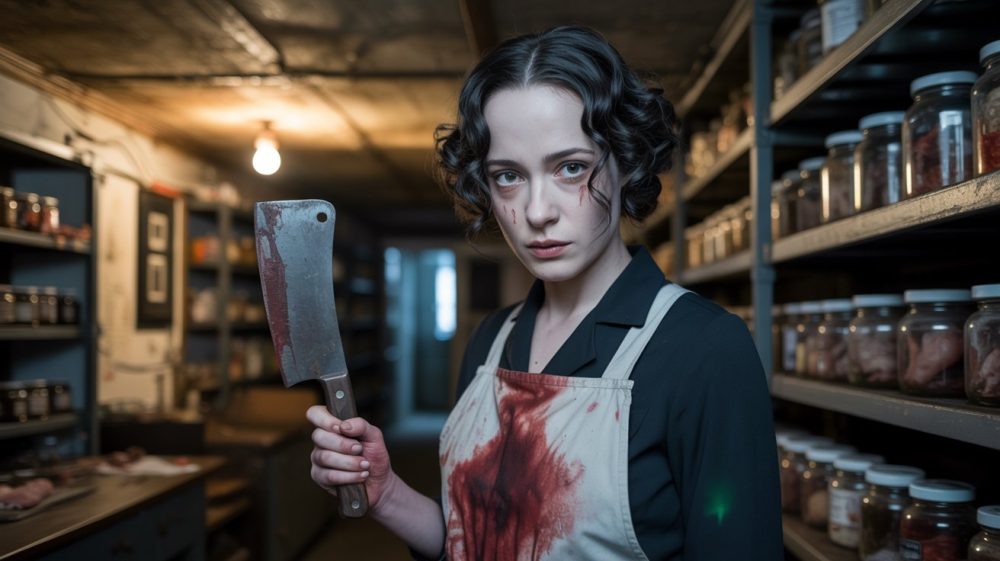
The Top-25 Female Serial Killer Books
Female serial killers challenge our deepest assumptions about gender, violence, and human nature. While real-world female serial killers are rare, they fascinate readers precisely because they defy stereotypes about women as nurturers and protectors. These 25 books explore the dark psychology of women who kill repeatedly, offering complex portraits of female predators that are both terrifying and psychologically compelling.
Why Female Serial Killers Fascinate Readers
The appeal of female serial killer fiction goes beyond simple shock value:
Breaking Gender Stereotypes
- Traditional expectations: Women as caregivers, mothers, and peaceful beings
- Reality clash: Female killers challenge these comfortable assumptions
- Psychological intrigue: What drives women to extreme violence?
- Social commentary: Explores how society treats violent women differently
Unique Psychological Profiles
- Different methods: Female killers often use poison, manipulation, or psychological torture
- Complex motivations: Revenge, control, maternal instincts gone wrong, or pure psychopathy
- Social camouflage: How “normal” women hide their deadly nature
- Victim selection: Often target family members, patients, or vulnerable individuals
Literary Appeal
- Character complexity: Authors can explore themes of femininity, power, and violence
- Social criticism: Examining how society creates or enables female monsters
- Psychological depth: Internal motivations often more complex than male killers
- Relationship dynamics: How female killers interact with victims and investigators

Step into the dark and read your FREE psychological thriller

Over 100,000 downloads!
Types of Female Serial Killer Characters
Understanding different archetypes helps readers choose books that match their interests:
The Angel of Death
Characteristics: Healthcare worker or caregiver who kills those in her care Motivations: Playing God, mercy killing gone wrong, attention seeking Real-world inspiration: Nurses like Beverly Allitt, doctors like Harold Shipman Appeal: Violation of trust in medical settings
The Black Widow
Characteristics: Kills romantic partners or family members for financial gain Motivations: Money, insurance payouts, inheritance Real-world inspiration: Belle Gunness, Dorothea Puente Appeal: Domestic settings turned deadly
The Maternal Monster
Characteristics: Mother who kills her own children or other people’s children Motivations: Munchausen by proxy, postpartum psychosis, control Real-world inspiration: Andrea Yates, Susan Smith Appeal: Ultimate violation of maternal instincts
The Manipulator
Characteristics: Uses charm and psychological manipulation to control and kill Motivations: Power, control, narcissistic supply Real-world inspiration: Aileen Wuornos (partially), Jodi Arias Appeal: Psychological game-playing and mind control
The Team Player
Characteristics: Kills alongside male partner or leads group of killers Motivations: Love, fear, shared psychosis, or equal partnership in evil Real-world inspiration: Karla Homolka, Myra Hindley Appeal: Complex relationship dynamics and shared guilt
The 25 Best Female Serial Killer Books
Organized by killer type and psychological complexity
Angel of Death: Healthcare Horror
1. The Nurse by Valerie Keogh
- Killer Type: Angel of Death
- Setting: Modern hospital
- Why it’s compelling: Shows how healthcare system enables killers
- Psychological depth: 8/10 (explores power dynamics in medical settings)
- Best for: Readers who want realistic medical thriller
- Unique element: Multiple POV from hospital staff and investigators
2. Fatal Care by Leonard Goldberg
- Killer Type: Angel of Death
- Setting: UCLA Medical Center
- Why it’s compelling: Based on real hospital serial killer cases
- Psychological depth: 7/10 (procedural focus with psychological insight)
- Best for: Medical thriller fans who want technical accuracy
- Unique element: Forensic pathologist protagonist investigating colleague
3. The Good Nurse by Charles Graeber (Non-fiction)
- Killer Type: Angel of Death (real case – Charles Cullen)
- Setting: Multiple hospitals across New Jersey and Pennsylvania
- Why it’s compelling: True story of most prolific serial killer in US history
- Psychological depth: 9/10 (deep dive into killer’s psychology and system failures)
- Best for: True crime fans wanting to understand healthcare serial killers
- Unique element: Shows how medical system protected killer for years
4. Mercy by Jodi Picoult
- Killer Type: Angel of Death/Mercy Killer
- Setting: Small town, assisted living facility
- Why it’s compelling: Explores ethics of euthanasia and mercy killing
- Psychological depth: 9/10 (complex moral questions)
- Best for: Readers who want ethical dilemmas with their thrills
- Unique element: Parallel historical and contemporary mercy killing cases
Black Widow: Deadly Domesticity
5. Gone Girl by Gillian Flynn
- Killer Type: Manipulator/Black Widow hybrid
- Setting: Modern suburban marriage
- Why it’s compelling: Deconstructs perfect marriage facade
- Psychological depth: 10/10 (masterful character development)
- Best for: Psychological thriller fans who want complex female antagonist
- Unique element: Unreliable narrators revealing truth gradually
6. Big Little Lies by Liane Moriarty
- Killer Type: Domestic violence victim turned killer
- Setting: Affluent Australian community
- Why it’s compelling: Shows how abuse can create killers
- Psychological depth: 8/10 (explores trauma and survival)
- Best for: Readers interested in domestic abuse themes
- Unique element: Community of women protecting each other
7. The Wife Who Knew Too Much by Michele Campbell
- Killer Type: Black Widow
- Setting: Wealthy New York social circle
- Why it’s compelling: Money, murder, and high society secrets
- Psychological depth: 7/10 (focus on financial motives)
- Best for: Fans of wealthy setting thrillers
- Unique element: Corporate espionage mixed with murder
8. The Widow by Fiona Barton
- Killer Type: Accomplice/Enabler
- Setting: British suburbia
- Why it’s compelling: Wife’s complicity in husband’s crimes
- Psychological depth: 8/10 (explores denial and enablement)
- Best for: Readers who want psychological complexity over action
- Unique element: Media manipulation and public perception themes
Maternal Monsters: Motherhood Gone Wrong
9. We Need to Talk About Kevin by Lionel Shriver
- Killer Type: Maternal Monster (child killer)
- Setting: American suburbia
- Why it’s compelling: Mother examining relationship with psychopathic son
- Psychological depth: 10/10 (profound exploration of maternal guilt)
- Best for: Readers who can handle disturbing family dynamics
- Unique element: Epistolary format revealing truth gradually
10. The Push by Ashley Audrain
- Killer Type: Maternal Monster
- Setting: Multi-generational family story
- Why it’s compelling: Generational trauma and inherited violence
- Psychological depth: 9/10 (family psychology and genetic predisposition)
- Best for: Readers interested in family trauma themes
- Unique element: Multiple generations of potentially dangerous women
11. Baby Teeth by Zoje Stage
- Killer Type: Child killer (7-year-old daughter)
- Setting: Contemporary family home
- Why it’s compelling: Child antagonist challenging maternal love
- Psychological depth: 8/10 (child psychology and parental fear)
- Best for: Parents who want to explore their worst fears
- Unique element: Alternating POV between mother and dangerous child
12. The Perfect Mother by Aimee Molloy
- Killer Type: Maternal Monster
- Setting: Brooklyn mom’s group
- Why it’s compelling: Competitive motherhood hiding deadly secrets
- Psychological depth: 7/10 (social pressure and maternal expectations)
- Best for: Parents familiar with mom culture dynamics
- Unique element: Social media and modern parenting pressure themes
Manipulators: Mind Games and Control
13. Sharp Objects by Gillian Flynn
- Killer Type: Manipulator/Maternal Monster hybrid
- Setting: Small Missouri town
- Why it’s compelling: Journalist returning home uncovers family secrets
- Psychological depth: 10/10 (complex family trauma)
- Best for: Readers who want literary psychological horror
- Unique element: Self-harm and family dysfunction themes
14. The Silent Patient by Alex Michaelides
- Killer Type: Manipulator
- Setting: Psychiatric facility
- Why it’s compelling: Patient refuses to speak after killing husband
- Psychological depth: 8/10 (psychological manipulation and therapy themes)
- Best for: Fans of psychological thrillers with twist endings
- Unique element: Art therapy and selective mutism elements
15. You by Caroline Kepnes
- Killer Type: Manipulator (male, but similar psychology)
- Alternative: My Education by Susan Choi
- Better choice: In My Dreams I Hold a Knife by Ashley Winstead
- Killer Type: College reunion murder mystery
- Why it’s compelling: Female protagonist investigating college murder
- Best for: College-set mysteries with female characters
16. The Woman in the Window by A.J. Finn
- Killer Type: Manipulator/Unreliable narrator
- Setting: New York brownstone
- Why it’s compelling: Agoraphobic witness questions her own perceptions
- Psychological depth: 8/10 (mental illness and perception themes)
- Best for: Readers who enjoy unreliable narrators
- Unique element: Agoraphobia and medication themes
Team Players: Partners in Crime
17. Natural Born Charmer by Susan Elizabeth Phillips
- Alternative: The Girls by Emma Cline
- Killer Type: Cult follower/Team player
- Setting: 1960s California commune
- Why it’s compelling: Young women drawn into Charles Manson-like cult
- Psychological depth: 9/10 (cult psychology and female vulnerability)
- Best for: Readers interested in cult psychology
- Unique element: Coming-of-age story within cult setting
18. My Sister, the Serial Killer by Oyinkan Braithwaite
- Killer Type: Team Player (sister covering up murders)
- Setting: Lagos, Nigeria
- Why it’s compelling: Dark comedy about family loyalty and murder
- Psychological depth: 7/10 (family dynamics and cultural expectations)
- Best for: Readers who want dark humor with their thrills
- Unique element: Nigerian setting and cultural context
19. The Other Woman by Sandie Jones
- Killer Type: Manipulator/Controller
- Setting: British family drama
- Why it’s compelling: Mother-in-law from hell who will kill to keep son
- Psychological depth: 7/10 (family control and manipulation)
- Best for: Readers who want domestic thriller
- Unique element: Mother-in-law as primary antagonist
20. Social Creature by Tara Isabella Burton
- Killer Type: Manipulator/Identity thief
- Setting: New York City social scene
- Why it’s compelling: Social climbing leads to identity theft and murder
- Psychological depth: 8/10 (social media culture and identity)
- Best for: Readers interested in social media culture critique
- Unique element: Instagram culture and social climbing themes
Classic and Literary Takes
21. Misery by Stephen King
- Killer Type: Fan/Stalker killer
- Setting: Isolated Colorado home
- Why it’s compelling: Fan’s obsession with author leads to imprisonment
- Psychological depth: 9/10 (obsession and creative process themes)
- Best for: Writers and readers who understand fan culture
- Unique element: Meta-commentary on writer-reader relationship
22. The Silence of the Lambs by Thomas Harris
- Killer Type: Note: Hannibal Lecter is male, but Buffalo Bill has complex gender issues
- Better choice: Darkly Dreaming Dexter by Jeff Lindsay
- Alternative female focus: I Am Charlotte Simmons by Tom Wolfe
- Better option: The Sweetness at the Bottom of the Pie by Alan Bradley
Alternative: Eileen by Ottessa Moshfegh
- Killer Type: Potential killer/Accomplice
- Setting: 1960s Massachusetts
- Why it’s compelling: Young woman drawn into murder plot
- Psychological depth: 9/10 (literary exploration of female rage)
- Best for: Literary fiction fans who want dark themes
- Unique element: Literary style with thriller elements
23. The Lady and the Unicorn by Tracy Chevalier
- Alternative: The Poisonwood Bible by Barbara Kingsolver
- Better choice: Little Fires Everywhere by Celeste Ng
- Killer Type: Arsonist/Destroyer
- Setting: Suburban Ohio
- Why it’s compelling: Mysterious woman destroys perfect suburban community
- Best for: Literary fiction fans who want social commentary
- Unique element: Class conflict and suburban perfection critique
24. In the Woods by Tana French
- Killer Type: Various (including female suspects)
- Setting: Irish countryside
- Why it’s compelling: Literary detective work with complex female characters
- Psychological depth: 10/10 (literary quality with mystery elements)
- Best for: Literary mystery fans
- Unique element: Lyrical prose and atmospheric setting
25. The Secret History by Donna Tartt
- Killer Type: Group killers including women
- Setting: Elite Vermont college
- Why it’s compelling: Privileged students commit murder for philosophical reasons
- Psychological depth: 10/10 (literary exploration of morality and class)
- Best for: Literary fiction fans who want psychological complexity
- Unique element: Academia setting and classical philosophy themes
Female vs. Male Serial Killer Fiction Comparison
Different Approaches to Violence
Male Serial Killers in Fiction:
- Often physically violent, sexual motivations
- Hunting strangers or specific victim types
- Power and dominance themes
- Cat-and-mouse games with police
Female Serial Killers in Fiction:
- More likely to use poison, manipulation, or emotional abuse
- Target family members, patients, or people who trust them
- Control and nurturing themes gone wrong
- Blend into society more successfully
Step into the dark and read your FREE psychological thriller
Over 100,000 downloads!
Reader Appeal Differences
Male Killer Stories:
- Focus on chase and capture
- Procedural investigation elements
- FBI profiling and forensic science
- Good vs. evil narratives
Female Killer Stories:
- Emphasis on psychology and motivation
- Domestic settings and relationship dynamics
- Social commentary on gender roles
- Moral ambiguity and sympathy for killers
Content Warnings and Age Guidance
Mature Themes Present in These Books:
- Violence against children: Several books involve child victims
- Domestic abuse: Many feature intimate partner violence
- Mental illness: Depression, psychosis, and personality disorders
- Sexual content: Some books include sexual violence or adult relationships
- Disturbing imagery: Medical procedures, torture, psychological abuse
Recommended Age Ranges:
- 18+ Only: We Need to Talk About Kevin, Sharp Objects, The Girls
- 16+ with Guidance: Gone Girl, Big Little Lies, The Push
- General Adult: Most other titles on the list
Content Sensitivity:
- Parents should read reviews before sharing with teens
- Survivors of domestic violence may find some content triggering
- Healthcare workers may be disturbed by medical setting murders
- Those dealing with fertility/pregnancy issues should avoid maternal monster themes
Why Women Write and Read These Books
Authors’ Motivations:
Gillian Flynn: Explores “cool girl” phenomenon and female rage Lionel Shriver: Examines uncomfortable truths about motherhood Liane Moriarty: Shows how domestic abuse affects communities Oyinkan Braithwaite: Uses dark humor to explore family loyalty
Reader Appeal:
Psychological Complexity: Female killers often have more complex motivations Social Commentary: Books examine how society treats women differently Taboo Exploration: Safe way to explore fears about motherhood, marriage, aging Empowerment Fantasy: Some readers enjoy seeing women take control through violence
Frequently Asked Questions
Q: Are female serial killers as common as these books suggest? A: No. Real female serial killers are much rarer than males (about 15% of serial killers are women). Fiction overrepresents them because they’re psychologically fascinating.
Q: Do these books glorify violence by women? A: Most quality books in this genre don’t glorify violence but explore the psychology behind it. They often serve as social commentary rather than celebration.
Q: Are these books appropriate for book clubs? A: Many are excellent for discussion, particularly Gone Girl, Big Little Lies, and We Need to Talk About Kevin. Check content warnings first.
Q: Which books focus more on psychology than gore? A: We Need to Talk About Kevin, Sharp Objects, The Push, and Gone Girl emphasize psychological development over graphic violence.
Q: Do any of these books have positive female characters? A: Yes. Books like Big Little Lies and The Other Woman feature complex women who aren’t killers. Many have female investigators or survivors as protagonists.
Q: Are there any books by female authors of color? A: My Sister, the Serial Killer by Oyinkan Braithwaite (Nigerian author) and several others. The genre is becoming more diverse.
Q: What’s the difference between thriller and horror in this genre? A: Thrillers focus on suspense and investigation (Gone Girl), while horror emphasizes fear and disturbing imagery (Sharp Objects).
Q: Do these books have happy endings? A: It varies. Some (Big Little Lies) have hopeful endings, while others (We Need to Talk About Kevin) are bleaker. Most focus on justice rather than traditional happy endings.
The Psychology Behind the Appeal
Why Readers Are Drawn to Female Killer Fiction:
Taboo Fascination: Women as killers violate deep social expectations about gender roles and maternal instincts.
Complex Psychology: Female killers often have more psychologically complex motivations than simple power or sexual gratification.
Social Commentary: These books examine how society creates or enables female violence through oppression, expectations, or neglect.
Relationship Dynamics: Female killers typically kill people they know, creating complex emotional relationships between killer and victim.
Control Fantasy: Some readers enjoy seeing women take extreme control over their situations, even if through terrible means.
Justice Themes: Many books explore whether violence can ever be justified, particularly for oppressed or abused women.
Building a Reading List
For Beginners:
- Gone Girl (accessible, popular culture phenomenon)
- Big Little Lies (multiple perspectives, hopeful ending)
- The Silent Patient (straightforward thriller structure)
For Psychological Depth:
- We Need to Talk About Kevin (challenging but rewarding)
- Sharp Objects (literary quality with thriller elements)
- The Push (contemporary relevance)
For Social Commentary:
- My Sister, the Serial Killer (cultural perspective, dark humor)
- The Girls (cult psychology and female vulnerability)
- Social Creature (social media culture critique)
For True Crime Fans:
- The Good Nurse (real case study)
- Fatal Care (medical setting based on real cases)
- In Cold Blood by Truman Capote (classic true crime, male killers but similar approach)
Conclusion: Understanding the Dark Side of Femininity
Female serial killer books offer more than simple thrills—they provide complex explorations of gender, power, and human psychology. These 25 books challenge readers to examine their assumptions about women, violence, and society while delivering compelling stories that linger long after the final page.
The best books in this genre don’t sensationalize female violence but instead explore the psychological and social factors that can drive women to kill. They ask uncomfortable questions: What drives a mother to harm her children? How does domestic abuse create killers? Can violence ever be justified as self-defense or protection of others?
Whether you’re drawn to the psychological complexity of Gillian Flynn’s characters, the social commentary in Liane Moriarty’s work, or the dark humor of Oyinkan Braithwaite’s family dynamics, these books prove that female serial killer fiction can be both entertaining and enlightening.
These stories remind us that evil doesn’t always look like what we expect—sometimes it wears a caring nurse’s uniform, lives in suburban perfection, or hides behind a mother’s loving smile. By exploring these dark possibilities through fiction, we gain insight into the complex psychology of violence and the social factors that can create monsters from the people we least suspect.
Read with an open mind, discuss with others, and prepare to question everything you thought you knew about gender, violence, and human nature.