
The Top-11 Ways to Read Free Books
Who doesn’t love free books? If you’re looking for the easiest (and legal) way to read or download ebooks, you’ve come to the right place. We’ve put together a list of our favorite websites where you can start reading online right away or send books straight to your eReader.
Each site has its own perks, and we’ll break down what makes them worth checking out, plus a few tips to get the most out of your free library. Grab your device, get comfy, and let’s find your next great read — without spending a dime.
1. Download Direct from Popular Authors’ Websites
This is hands-down the best way to get high-quality free books. Many established authors regularly offer free downloads of their work directly from their personal websites, and there’s a good reason why: they’re confident you’ll love what you read.
When successful authors give away books for free, they’re making a smart business move. They know that if you enjoy one of their stories, you’re likely to become a fan and purchase their other titles. It’s essentially a high-quality sample that hooks new readers and builds a loyal following. Authors like Hugh Howey, Brandon Sanderson, Cory Doctorow, and Neil Gaiman have all offered free books through their websites at various times.
The beauty of downloading directly from authors is that you’re getting professionally edited, well-crafted books — not amateur or low-quality content. These are often the same titles you’d pay $10-15 for in bookstores, but the authors are using them as gateway drugs to get you hooked on their writing style and storytelling.
To find these treasures, start by visiting the websites of authors you already enjoy, or browse through lists of popular authors in your favorite genres. Look for “free books,” “freebies,” or “reader magnets” sections on their sites. Many authors also promote their free offerings through their social media channels and email newsletters, so following them online can alert you to new free releases.
Pro tip: Sign up for authors’ newsletters when you download their free books. They’ll often send exclusive freebies and early access to new releases to their subscribers. Plus, you’ll be supporting writers you enjoy by helping them build their audience.
Ready to start? Check out these amazing free book downloads from three bestselling authors.
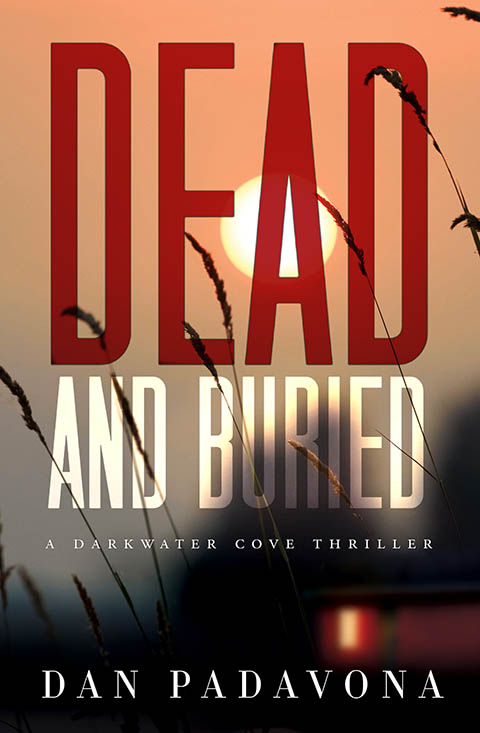
Dead and Buried – Dan Padavona
Love crime thrillers? Bestselling Amazon thriller author Dan Padavona offers a very special free download. “Dead and Buried” is the prequel to his chilling Dark Water Cove series and is exclusively available on his website.

Warbreaker – Brandon Sanderson
Fantasy fans, rejoice! Brandon Sanderson offers “Warbreaker” free to anyone who wants to read on his website.

A Hard Day’s Night – Kay Bratt
Top-selling mystery and thriller author Kay Bratt begins the Hart Ridge series with “A Hard Day’s Night.” This is a great series!
2. Public Library Digital Collections
Your local library isn’t just about physical books anymore — most public libraries offer extensive digital collections that you can access from home. Services like OverDrive, Libby, and CloudLibrary partner with libraries to provide thousands of ebooks and audiobooks that you can borrow with just your library card.
The selection is impressive, featuring bestsellers, classics, and new releases from major publishers. While popular titles might have waiting lists, you’ll often find hidden gems available immediately. The books automatically return when your loan period expires, so there are never any late fees.
To get started, check your library’s website or ask a librarian about their digital offerings. Download the recommended app (usually Libby for most systems), and sign in with your library card number. If you don’t have a library card yet, most libraries let you apply online and start borrowing digital books right away.
3. Project Gutenberg
Project Gutenberg is a treasure trove of classic literature that’s been digitized and made freely available to everyone. This nonprofit organization has been around since 1971, making it one of the oldest digital libraries in existence, and they’ve built an impressive collection of over 70,000 free ebooks.
What makes Project Gutenberg special is its focus on books that have entered the public domain — meaning their copyrights have expired and they’re legally free for anyone to use. You’ll find works by authors like Jane Austen, Charles Dickens, Mark Twain, Shakespeare, and countless other literary giants. The selection spans multiple languages and genres, from classic novels and poetry to historical documents and reference works.
The books are available in multiple formats including EPUB, Kindle, HTML, and plain text, making them compatible with virtually any device. The website might look a bit dated, but it’s incredibly functional and easy to navigate. You can search by author, title, subject, or language, and everything downloads quickly without any registration required.
Project Gutenberg is perfect if you’re looking to catch up on classic literature, studying for a literature course, or simply want to explore the foundational works that shaped modern writing. Plus, these books never go out of circulation or have waiting lists like library books might.
4. BookBub
BookBub operates as a book discovery service that sends daily emails featuring discounted and free ebooks across various genres. While it’s a legitimate way to find free books, it’s important to understand that not all of BookBub’s offerings are actually free — many are just heavily discounted.
The platform works by partnering with authors and publishers to promote their books through targeted email campaigns. You can customize your preferences by genre, and BookBub will send you daily deals that match your interests. When books are genuinely free, they’re usually promotional offerings from authors looking to boost their visibility or kick-start a series.
However, BookBub has some notable limitations. Their free book selection tends to be quite repetitive, featuring the same authors and titles cycling through their promotions regularly. You might see the same romance novel or mystery series promoted multiple times over a few months. Additionally, many of the “deals” they promote are paid books at reduced prices rather than truly free offerings.
That said, BookBub can still be valuable if you’re patient and selective. The genuinely free books they feature are typically from established authors, and you might discover new series or genres you wouldn’t have found otherwise. Just be prepared to sift through a lot of promotional content, and always double-check that a book is actually free before downloading — prices can change quickly, and what was free in the morning might cost money by afternoon.
5. Libby
While we mentioned Libby briefly under library digital collections, it deserves its own spotlight as one of the most user-friendly apps for accessing free books. Developed by OverDrive, Libby has become the go-to platform for millions of readers who want seamless access to their library’s digital collection.
What sets Libby apart is its intuitive design and smart features. The app learns your reading preferences over time and suggests books you might enjoy. You can create custom tags to organize your loans and holds, sync your reading progress across devices, and even adjust reading settings like font size and background color for comfortable reading in any lighting.
Libby also excels at helping you discover new content through its browsing features. You can filter by availability (showing only books you can borrow immediately), explore curated collections, and see what’s trending among other readers. The app makes it easy to sample books before committing to a full borrow — you can read excerpts and check reviews right within the interface.
One of Libby’s best features is its integration with multiple library systems. If you have cards for multiple libraries (perhaps your local library plus your work or school library), you can access all their collections through a single app. This dramatically expands your selection of available books and increases your chances of finding popular titles without long wait times.
6. Radish Fiction
Radish Fiction takes a unique approach to free reading by offering serialized stories that you can read chapter by chapter. While not everything on Radish is free, the platform provides various ways to access content without paying, making it an interesting option for readers who enjoy ongoing narratives.
The platform specializes in romance, fantasy, mystery, and thriller genres, with stories published in weekly or bi-weekly installments. Many authors offer the first several chapters of their serials completely free to hook readers, similar to how TV shows offer pilot episodes. You can also earn free credits by checking in daily, participating in community activities, or watching short advertisements.
Radish works well for readers who enjoy the anticipation of waiting for the next chapter and engaging with ongoing storylines. The serialized format creates a different reading experience than traditional novels — more like following a TV series than reading a complete book. You’ll find both established authors testing new material and emerging writers building their audiences.
However, be aware that while you can start many stories for free, most require payment to continue reading past the initial chapters. The platform operates on a “freemium” model where the free content serves as a gateway to paid serializations. Still, if you’re selective and take advantage of the various ways to earn free credits, you can enjoy substantial amounts of content without spending money.
7. Freebooksy
Freebooksy operates similarly to BookBub but focuses specifically on genuinely free ebooks rather than mixing free and discounted titles. This newsletter service sends daily emails featuring books that are currently available at no cost across major platforms like Amazon Kindle, Apple Books, and Google Play.
What makes Freebooksy particularly useful is its genre-specific approach. You can subscribe to newsletters for specific categories like mystery, romance, science fiction, or non-fiction, ensuring you only receive notifications about books that match your interests. This targeted approach cuts down on email clutter and helps you find relevant reads more efficiently.
The platform also features a website where you can browse current free offerings without waiting for the daily email. Books are clearly organized by genre and platform, and each listing shows how long the free promotion is expected to last. This timing information is crucial because free promotions often end without warning, sometimes lasting only 24-48 hours.
Freebooksy tends to feature a good mix of indie authors and established writers running promotional campaigns. While the quality can be variable since anyone can submit their free book for inclusion, you’ll often discover hidden gems from up-and-coming authors who are building their readership. The key is being willing to try new authors and not expecting every book to be a masterpiece.
8. Simon Teen
Simon Teen is the young adult imprint of Simon & Schuster, and they regularly offer free ebook samplers and full-length novels through their website and social media channels. This publisher-direct approach means you’re getting professionally published, high-quality YA fiction at no cost.
The platform frequently runs promotions tied to new releases, offering free books from the same author or series to build excitement for upcoming titles. They also provide free digital samplers that include excerpts from multiple new releases, giving you a taste of various authors and series before deciding what to read next.
Simon Teen’s free offerings often coincide with book launches, movie tie-ins, or seasonal campaigns. For example, they might offer free copies of the first book in a series when the sequel is about to release, or provide free access to books that are being adapted into films or TV shows. Following their social media accounts and signing up for their newsletter ensures you’ll hear about these limited-time promotions.
The quality is consistently high since these are traditionally published books that have gone through professional editing and marketing processes. However, the selection is naturally limited to YA fiction, so this source works best for readers who enjoy that genre or parents looking for age-appropriate content for teen readers.

Step into the dark and read your FREE dark thriller

Over 100,000 downloads!
9. Wattpad
Wattpad is a massive online community where writers share their stories chapter by chapter, and readers can follow along as tales unfold in real-time. With over 90 million users worldwide, it’s become one of the largest platforms for free original fiction, spanning every genre imaginable from romance and fantasy to horror and science fiction.
What makes Wattpad unique is its interactive nature. You can comment on specific paragraphs, vote for stories you enjoy, and even message authors directly. This creates a direct connection between writers and readers that traditional publishing doesn’t offer. Many stories are serialized, with authors posting new chapters weekly, creating an engaging experience similar to following a favorite TV series.
The platform has launched the careers of numerous successful authors. Books like “After” by Anna Todd and “The Kissing Booth” by Beth Reekles started as Wattpad stories before becoming published novels and major films. This means you might discover the next big literary sensation before it hits mainstream bookstores.
However, keep in mind that Wattpad content is user-generated and unedited, so quality can vary significantly. Some stories are brilliantly crafted with compelling plots and well-developed characters, while others might feel more like rough first drafts. The key is exploring different genres and authors until you find voices that resonate with you. The platform’s recommendation system and reading lists can help guide you toward higher-quality content that matches your preferences.
10. Smashwords
Smashwords positions itself as the world’s largest distributor of indie ebooks, and it offers an extensive collection of free titles from independent authors and small publishers. The platform serves as both a publishing platform for authors and a discovery tool for readers looking for fresh voices and unique stories.
The free section on Smashwords contains thousands of books across all genres, from literary fiction and poetry to business guides and cookbooks. Many authors use Smashwords to offer free books as a way to build their readership and showcase their writing style. You’ll find complete novels, short story collections, and series starters that authors hope will hook you on their work.
One of Smashwords’ strengths is its detailed filtering system. You can sort free books by genre, length, publication date, and even content ratings. This makes it easier to find exactly what you’re looking for, whether that’s a quick short story for your lunch break or a lengthy fantasy epic for your next vacation.
The quality on Smashwords varies widely since it’s primarily indie content that may not have gone through traditional editing processes. However, this also means you’ll find experimental and diverse voices that might not appear in mainstream publishing. Many indie authors are passionate about their craft and produce work that rivals traditionally published books. The platform’s review system and sample chapters help you gauge whether a book is worth your time before committing to the full download.
11. Open Culture
Open Culture serves as a curated gateway to free educational and cultural content across the internet, including an impressive collection of free books. What sets Open Culture apart from other platforms is its focus on high-quality, culturally significant works and its expert curation process.
The site’s free books section features carefully selected titles spanning literature, philosophy, history, science, and the arts. You’ll find classic works from authors like Virginia Woolf, James Joyce, and Franz Kafka, alongside contemporary works that have been made freely available by their publishers or authors. Open Culture also highlights special collections, such as free books by Nobel Prize winners or works that have been banned at various points in history.
What makes Open Culture particularly valuable is its educational approach. Each book listing often includes background information about the author, historical context, and links to related content like lectures, documentaries, or audio recordings. This transforms simple book downloads into comprehensive learning experiences, making it an excellent resource for students, educators, or anyone interested in deepening their understanding of literature and culture.
The platform partners with reputable sources like Project Gutenberg, Internet Archive, and university libraries to ensure the books are legitimate and high-quality. Open Culture’s editors personally review and recommend titles rather than simply aggregating everything available, which means you’re more likely to discover genuinely worthwhile reads.
While Open Culture’s selection isn’t as vast as some other platforms, the quality and curation make it a treasure trove for readers who want to explore significant works of literature and thought. It’s particularly valuable for anyone looking to fill gaps in their classical education or explore important works they may have missed in school.
Finding Your Perfect Free Reading Experience
With these eleven sources at your disposal, you’ll never run out of free reading material. The key is experimenting with different platforms to see which ones align with your reading preferences and habits. Whether you prefer the classics from Project Gutenberg, the community aspect of Wattpad, or the professional curation of Open Culture, there’s a perfect free book source waiting for you to discover.
Getting Your Free Books onto Your eReader
Once you’ve discovered all these fantastic free books, you’ll want to know how to get them onto your favorite eReader. Each device has its own preferred formats and transfer methods, but don’t worry — it’s easier than you might think.
Transferring to Kindle
Amazon’s Kindle ecosystem is designed to work seamlessly with books purchased from their store, but you can absolutely load your own free ebooks onto the device. Kindle devices prefer the MOBI format, though newer models also support AZW3 and can handle EPUB files (though they’ll be converted automatically).
The easiest method is using Kindle’s “Send to Kindle” feature. First, add your free email address (ending in @kindle.com) to your Amazon account’s approved sender list. Then simply email the ebook file to that address with “Convert” in the subject line if needed. The book will appear in your Kindle library within minutes and sync across all your Kindle devices.
Alternatively, you can connect your Kindle to your computer via USB cable and drag files directly into the “Documents” folder. This method works well for MOBI files and doesn’t require an internet connection. For EPUB files downloaded from sources like Project Gutenberg, you might need to use free conversion software like Calibre to convert them to MOBI format first.
Transferring to Nook
Barnes & Noble’s Nook devices are more format-friendly than Kindles, accepting EPUB files natively along with PDF and TXT formats. This makes transferring free books particularly straightforward since most sources offer EPUB versions.
The simplest approach is connecting your Nook to your computer with a USB cable. Your device will appear as a removable drive, and you can drag EPUB files directly into the “Books” folder. The next time you disconnect and turn on your Nook, the new books will appear in your library.
Nook devices also support Adobe Digital Editions (ADE) for library books borrowed through OverDrive or similar services. If you’re borrowing from your local library, you’ll likely need to authorize your device through ADE first, but this is a one-time setup process.
Transferring to Kobo
Kobo eReaders are among the most format-flexible devices available, supporting EPUB, PDF, MOBI, TXT, HTML, and several other formats. This makes them ideal for readers who collect books from multiple free sources.
Like with Nook devices, you can connect your Kobo to your computer via USB and drag files directly into the “.kobo” folder or sometimes just the main directory. Kobo devices will automatically detect and catalog new books when you disconnect the USB cable.
Kobo also offers wireless sync through their desktop application, Kobo Desktop. You can import books into this software and they’ll automatically sync to your device when it’s connected to Wi-Fi. This method works particularly well if you’re managing a large collection of free ebooks.
Pro Tips for All Devices
Consider investing in Calibre, a free ebook management software that works with all major eReader formats. Calibre can convert between formats, organize your digital library, edit metadata, and even download news articles formatted for your device. It’s particularly helpful if you’re collecting books from multiple sources with different formats.
Always check that your free books are DRM-free before attempting transfers. Most genuinely free books won’t have digital rights management restrictions, but some library books and promotional titles might be locked to specific apps or devices.
Finally, create a simple folder system on your computer to organize downloaded books before transferring them. Sort by genre, author, or source to make it easier to find and transfer specific titles to your eReader.
With these methods in your toolkit, you can enjoy your growing collection of free books on whichever device you prefer, turning any of these platforms into your personal portable library.
Your Free Reading Journey Starts Now
With these eleven resources and transfer techniques, you now have everything you need to build an impressive digital library without spending a penny. From the literary classics of Project Gutenberg to the emerging voices on Wattpad, there’s truly something for every reader’s taste and preference.
Remember, the absolute best way to find high-quality, professionally edited free books is by going directly to authors’ websites. This approach gives you access to polished, complete works from established writers who are confident enough in their craft to offer samples of their best work. These aren’t amateur experiments or unfinished drafts — they’re strategic offerings from authors who know that once you fall in love with their writing style, you’ll be eager to purchase their other titles.
While platforms like BookBub and Freebooksy can supplement your free reading collection, and library services like Libby provide access to bestsellers, nothing beats the quality assurance you get from downloading directly from successful authors who have put their reputations on the line with their free offerings.
The world of free, legal ebooks is vast and constantly growing. Authors are discovering that giving away quality work builds lasting relationships with readers, libraries are expanding their digital collections, and platforms are making it easier than ever to discover new voices and genres. Whether you prefer the community engagement of Wattpad, the curated excellence of Open Culture, or the direct connection of author websites, your next great read is just a few clicks away.
So grab your eReader, bookmark your favorite sources, and start exploring. With patience and the right resources, you can build a library that rivals any bookstore — all while supporting authors, discovering new favorites, and never paying a dime. Happy reading!